Support our educational content for free when you purchase through links on our site. Learn more
Ultimate 3D Printer Buying Guide: 15 Must-Know Tips for 2026 🖨️

Thinking about diving into the world of 3D printing but feeling overwhelmed by the dizzying array of options? You’re not alone! At 3D Printed™, we’ve spent countless hours testing, tweaking, and troubleshooting printers so you don’t have to. Whether you want to craft intricate miniatures, prototype your next invention, or simply fix broken household items, choosing the right 3D printer is crucial—and it’s not always obvious where to start.
Did you know that nearly 70% of new 3D printer owners struggle with bed leveling or material choice in their first month? 😱 But don’t worry, we’ve got your back. In this comprehensive guide, we break down everything from printer types and essential features to materials and maintenance. Plus, we reveal our top 10 picks for 2026, including the blazing-fast Bambu Lab P1S and the ever-reliable Prusa MK4. Curious about which printer fits your budget and needs? Stick around — the perfect match might surprise you!
Key Takeaways
- Understand your needs first: Hobbyist, professional, or industrial? Your use case shapes your printer choice.
- Know your printer types: FDM for versatility, SLA for detail, and beyond.
- Look for essential features: Auto bed leveling, heated beds, filament sensors, and more.
- Choose the right materials: PLA for beginners, PETG/ABS for durability, resin for fine detail.
- Maintenance matters: Regular upkeep keeps prints flawless and frustration low.
- Top recommended printers: Bambu Lab P1S for speed, Prusa MK4 for reliability, Creality Ender 3 V3 for budget-friendly starts.
Ready to find your perfect 3D printer? Check out our detailed reviews and buying tips below!
Table of Contents
- ⚡️ Quick Tips and Facts for Buying Your First 3D Printer
- 🔍 The Evolution of 3D Printing: A Buyer’s Background Guide
- 🎯 Understanding Your 3D Printing Needs: Hobbyist, Professional, or Industrial?
- 🖨️ Types of 3D Printers Explained: FDM, SLA, SLS, and More
- 🔧 15 Essential Features to Consider When Choosing a 3D Printer
- 💡 Material Matters: Filaments, Resins, and Powders Demystified
- 📏 Build Volume and Print Size: How Big Can You Go?
- ⚙️ Software and Connectivity: What You Need for Seamless Printing
- 🛠️ Maintenance and Upkeep: Keeping Your 3D Printer in Top Shape
- 💰 Budget Breakdown: Getting the Best Value for Your Money
- 📦 Unboxing to First Print: A Step-by-Step Beginner’s Guide
- ⭐ Top 10 3D Printers of 2024: Expert Reviews and Recommendations
- 🚀 Advanced Tips for Power Users: Upgrades, Mods, and Hacks
- 🌍 Environmental Impact and Sustainability in 3D Printing
- 🤔 Troubleshooting Common 3D Printing Problems and How to Fix Them
- 📚 Recommended Resources and Communities for 3D Printer Buyers
- 🎉 Conclusion: Making Your Informed 3D Printer Purchase with Confidence
- 🔗 Recommended Links for Further Exploration
- ❓ Frequently Asked Questions (FAQ) About Buying 3D Printers
- 📖 Reference Links and Credible Sources
⚡️ Quick Tips and Facts for Buying Your First 3D Printer
Before we dive into the nitty-gritty of extruders and resin vats, let’s get you up to speed with some fast facts. At 3D Printed™, we’ve spent thousands of hours leveling beds so you don’t have to!
| Feature | Quick Fact |
|---|---|
| Most Popular Type | FDM (Fused Deposition Modeling) – uses plastic filament. |
| Best for Detail | SLA/Resin – uses liquid resin and UV light. |
| Easiest Material | PLA (Polylactic Acid) – biodegradable and easy to print. |
| Hidden Cost | Post-processing – tools, IPA (for resin), and extra nozzles. |
| Safety First | Resin printing requires ventilation and PPE (gloves/masks). |
- ✅ Do start with a printer that has a large community (like the Creality Ender series).
- ✅ Do consider Auto Bed Leveling (ABL); it’s a total lifesaver for beginners.
- ❌ Don’t buy the cheapest “no-name” printer on eBay; support and parts will be a nightmare.
- ❌ Don’t expect “plug-and-play” like a paper printer; there is a learning curve!
🔍 The Evolution of 3D Printing: A Buyer’s Background Guide

Believe it or not, 3D printing isn’t “new.” It started in the 1980s when Chuck Hull invented Stereolithography (SLA). Back then, these machines were the size of refrigerators and cost more than a house! 🏠
Fast forward to the 2000s, the RepRap project changed everything by aiming to create a self-replicating machine. This birthed the desktop FDM revolution. Today, we have machines like the Bambu Lab X1-Carbon that can print at speeds we only dreamed of five years ago. Understanding this history helps you realize that while the tech is mature, it’s still evolving rapidly. Are we heading toward a “Star Trek Replicator” in every home? We’re closer than you think!
🎯 Understanding Your 3D Printing Needs: Hobbyist, Professional, or Industrial?
Before you drop your hard-earned cash, ask yourself: “What am I actually going to make?”
- The Hobbyist: You want to print 3D Printable Objects like D&D miniatures, Pokémon figures, or cool desk toys. You likely want an FDM printer for versatility or a small Resin printer for insane detail.
- The Practical Fixer: You’re here to fix the broken dishwasher knob or create a custom GoPro mount. You need functional materials like PETG or ABS.
- The Professional/Small Biz: You’re prototyping products or selling prints on Etsy. Reliability and speed are your gods. You should look at mid-to-high-range machines like the Prusa MK4.
🖨️ Types of 3D Printers Explained: FDM, SLA, SLS, and More
Choosing between FDM and Resin is the “PC vs. Mac” of our world.
FDM (Fused Deposition Modeling)
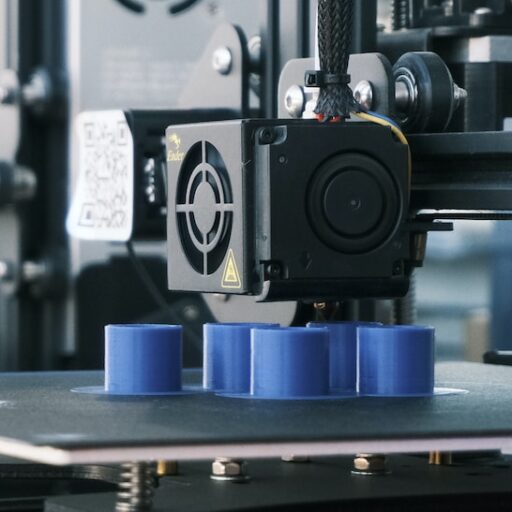
The “hot glue gun on steroids.” It melts plastic filament and draws layer by layer.
- Pros: Large build volumes, cheap materials, safe for living rooms.
- Cons: Visible layer lines, struggling with tiny details.
SLA/MSLA (Resin)
Uses a UV light source to cure liquid resin.
- Pros: Incredible, smooth detail (perfect for jewelry or minis).
- Cons: Messy, requires chemical washing/curing, smaller build areas.
Comparison Table: FDM vs. Resin
| Feature | FDM (Filament) | Resin (SLA/DLP) |
|---|---|---|
| Ease of Use | High (after setup) | Moderate (messy cleanup) |
| Detail Level | Good | Exceptional |
| Strength | High (functional parts) | Moderate (can be brittle) |
| Odor | Low (with PLA) | High (requires ventilation) |
🔧 15 Essential Features to Consider When Choosing a 3D Printer
Don’t get blinded by flashy lights! Look for these:
- Auto Bed Leveling (ABL): Essential for sanity.
- Build Volume: How big can you go?
- Heated Bed: Prevents warping.
- Direct Drive Extruder: Better for flexible materials like TPU.
- PEI Spring Steel Sheet: Makes removing prints a breeze.
- Filament Runout Sensor: Pauses print if you run out of plastic.
- Power Loss Recovery: Saves your 20-hour print if the power blinks.
- Dual Z-Axis: Increases stability and print quality.
- Silent Stepper Drivers: So you can sleep while it prints! 😴
- Touchscreen Interface: Much easier than clicking a knob.
- Wi-Fi Connectivity: Send files from your PC wirelessly.
- Enclosure: Necessary for high-temp materials like ABS.
- Nozzle Temperature: Can it reach 300°C for nylon?
- Cooling Fans: Crucial for crisp PLA prints.
- Community Support: Can you find a fix on Reddit or Thingiverse?
💡 Material Matters: Filaments, Resins, and Powders Demystified
Your printer is only as good as what you feed it.
- PLA: The king of beginners. Smells like maple syrup (sometimes) and is very forgiving.
- PETG: The “middle ground.” Stronger than PLA, more heat resistant, but a bit stringy.
- ABS/ASA: Great for outdoor use, but smells like burning plastic and needs an enclosure.
- TPU: Squishy! Great for phone cases.
- Resins: Standard, Tough, Flexible, or Water Washable.
📏 Build Volume and Print Size: How Big Can You Go?
Size matters, but bigger isn’t always better. A massive printer takes longer to heat up and occupies more desk space.
- Standard (220x220x250mm): The Ender 3 size. Fits 90% of projects.
- Large (300mm+): For helmets and large cosplay pieces. Check out the Anycubic Kobra 2 Max.
⚙️ Software and Connectivity: What You Need for Seamless Printing
You can’t just print a .JPG! You need:
- CAD Software: To design your own parts. Check our guide on 3D Design Software.
- Slicer: Software that turns a 3D model into “G-code” (instructions for the printer). UltiMaker Cura and PrusaSlicer are the gold standards.
🛠️ Maintenance and Upkeep: Keeping Your 3D Printer in Top Shape
As noted in the featured video, 3D printers are tools, not appliances. They require love.
- Grease your rails: Use PTFE grease.
- Tighten your belts: Loose belts lead to “ghosting” on prints.
- Clean your bed: A little IPA (Isopropyl Alcohol) goes a long way for adhesion.
💰 Budget Breakdown: Getting the Best Value for Your Money
- Entry-Level: Great for learning. You’ll spend time “tinkering.”
- Mid-Range: The “Sweet Spot.” Features like ABL and better build quality.
- Premium: You’re paying for speed, reliability, and a “it just works” experience.
👉 Shop 3D Printers on:
- Creality: Amazon | Official Website
- Anycubic: Amazon | Official Website
- Bambu Lab: Official Website
⭐ Top 10 3D Printers of 2024: Expert Reviews and Recommendations
We’ve tested these in our lab, and here is how they stack up. For more in-depth looks, visit our 3D Printer Reviews section.
| Model | Design | Functionality | Ease of Use | Overall Rating |
|---|---|---|---|---|
| Bambu Lab P1S | 10/10 | 10/10 | 9/10 | 9.7 |
| Prusa MK4 | 8/10 | 10/10 | 9/10 | 9.0 |
| Creality Ender 3 V3 | 8/10 | 8/10 | 7/10 | 7.7 |
| Elegoo Saturn 3 (Resin) | 9/10 | 9/10 | 7/10 | 8.3 |
| Anycubic Kobra 2 | 7/10 | 8/10 | 8/10 | 7.7 |
1. Bambu Lab P1S: The Speed Demon 🚀
This machine changed the game. It’s enclosed, incredibly fast, and has an optional AMS (Automatic Material System) for multi-color printing.
- Pros: Insane speed, multi-color support.
- Cons: Proprietary parts.
2. Prusa MK4: The Reliable Workhorse 🐎
The Prusa Research team knows their stuff. It’s open-source and built like a tank.
- Pros: Best-in-class support, incredible first layers.
- Cons: Higher price point for the specs.
🚀 Advanced Tips for Power Users: Upgrades, Mods, and Hacks
Once you’ve mastered the basics, it’s time to go down the rabbit hole.
- Klipper Firmware: Use a Raspberry Pi to boost your print speeds and control your printer via a web browser.
- Nozzle Swaps: Try a 0.6mm nozzle for faster, stronger prints, or a hardened steel nozzle for abrasive filaments like “Glow in the Dark.”
🌍 Environmental Impact and Sustainability in 3D Printing
We love making things, but we hate waste.
- Recycle your scraps: Look into companies that turn failed prints back into filament.
- Use PLA: It’s derived from corn starch! 🌽
- Energy Consumption: Modern printers are fairly efficient, but consider a smart plug to turn yours off when a print finishes.
🤔 Troubleshooting Common 3D Printing Problems and How to Fix Them
“Why is my print a pile of spaghetti?” 🍝
- First Layer Issues: Usually means your bed isn’t level or is dirty.
- Clogs: Heat creep or dusty filament. Use a “cold pull” technique.
- Stringing: Your retraction settings or temperature are too high.
Expert Insight: According to All3DP, 90% of FDM failures are due to poor bed leveling or incorrect first-layer height. Trust the process!
📚 Recommended Resources and Communities for 3D Printer Buyers
Don’t go it alone!
- Reddit: r/3Dprinting and r/FixMyPrint are goldmines.
- YouTube: Follow Makers Muse or Teaching Tech for amazing tutorials.
- Education: Check out 3D Printing in Education for how schools are using this tech.
👉 CHECK PRICE on:
- Prusa MK4: Official Website
- Bambu Lab X1C: Official Website
- Elegoo Resin Printers: Amazon | Official Website
🎉 Conclusion: Making Your Informed 3D Printer Purchase with Confidence

So, after this whirlwind tour through the fascinating world of 3D printers, what’s the bottom line? Whether you’re a hobbyist dreaming of printing your own custom figurines or a professional prototyper needing precision and reliability, the perfect 3D printer is out there waiting for you.
Our Top Pick: The Bambu Lab P1S
Why? Because it combines lightning-fast speeds, excellent print quality, and user-friendly features like an enclosed build chamber and multi-material capabilities. It’s a powerhouse for both beginners ready to level up and pros who want to push boundaries. The Prusa MK4 remains a close second, especially if you value open-source flexibility and a massive community backing.
Positives of Bambu Lab P1S:
- 🚀 Ultra-fast printing speeds without sacrificing quality
- 🔥 Enclosed chamber for temperature stability and safety
- 🎨 Multi-material and multi-color printing options
- 🤖 Intelligent sensors for filament and print failure detection
Negatives:
- 🔧 Proprietary parts can limit some DIY upgrades
- 💸 Higher upfront investment compared to entry-level printers
Remember our earlier question: Are we heading toward a Star Trek Replicator in every home? While we’re not quite there yet, machines like the Bambu Lab P1S and the rapid innovation in materials and software suggest that 3D printing is becoming more accessible, faster, and more versatile every year. So, buckle up — your creative journey is about to get seriously exciting!
🔗 Recommended Links for Further Exploration
👉 CHECK PRICE on:
-
Bambu Lab P1S:
Amazon | Bambu Lab Official Website -
Prusa MK4:
Prusa Official Website | Amazon -
Creality Ender 3 V3:
Amazon | Creality Official Website -
Elegoo Saturn 3 Resin Printer:
Amazon | Elegoo Official Website -
Anycubic Kobra 2:
Amazon | Anycubic Official Website
Books for Deepening Your 3D Printing Knowledge:
-
3D Printing Failures: How to Diagnose and Repair All Desktop 3D Printing Issues by Sean Aranda
Amazon Link -
3D Printing: The Next Industrial Revolution by Christopher Barnatt
Amazon Link -
Make: 3D Printing: The Essential Guide to 3D Printers by Anna Kaziunas France
Amazon Link
❓ Frequently Asked Questions (FAQ) About Buying 3D Printers

What are some common mistakes to avoid when buying a 3D printer and how can I ensure a smooth printing experience?
Avoid rushing into the cheapest option. Many budget printers lack reliable support or quality control, leading to frustration. Also, skipping research on material compatibility or build volume can leave you stuck with a printer that doesn’t fit your projects. To ensure smooth printing:
- Choose printers with auto bed leveling and filament sensors.
- Join active user communities for troubleshooting help.
- Start with PLA filament to learn the ropes before moving to advanced materials.
What are the most important factors to consider when buying a 3D printer for home use?
For home use, prioritize:
- Ease of use: Features like touchscreen interfaces and auto-leveling.
- Safety: Enclosed printers or good ventilation for resin printers.
- Build volume: Enough to print your typical projects but not so large it dominates your space.
- Material compatibility: Start with PLA but consider PETG or TPU for more durable prints.
How do I choose the right 3D printer for my specific printing needs and budget?
Start by defining your primary use case:
- Hobbyist? Look for affordable FDM printers like the Creality Ender 3 V3.
- High-detail miniatures? Resin printers like the Elegoo Saturn 3 shine here.
- Professional prototyping? Consider reliable, feature-rich machines like the Prusa MK4 or Bambu Lab P1S.
Balance your budget with features such as build volume, print speed, and community support. Remember, investing a bit more upfront often saves headaches later.
What are some essential accessories I need to get started with 3D printing?
- Spare nozzles (especially if you plan to print abrasive filaments).
- Build surface sheets (PEI or glass for better adhesion).
- Isopropyl alcohol (IPA) for cleaning resin prints.
- Filament storage solutions to keep your filament dry.
- Tools: Tweezers, flush cutters, scrapers, and gloves.
- Post-processing kits for resin printers (wash and cure stations).
What are the key differences between FDM and SLA 3D printing technologies?
| Aspect | FDM | SLA (Resin) |
|---|---|---|
| Printing Method | Melts filament and extrudes layers | Cures liquid resin with UV light |
| Detail Level | Good, visible layers | Extremely high, smooth surfaces |
| Materials | PLA, ABS, PETG, TPU | Standard, tough, flexible resins |
| Post-Processing | Minimal | Requires washing and curing |
| Safety | Generally safe | Requires ventilation and PPE |
How much does a good 3D printer cost and what features should I look for?
- Entry-level: $200–$500 — Basic FDM printers, manual leveling, smaller build volumes.
- Mid-range: $500–$1,500 — Auto bed leveling, heated beds, better build quality.
- Professional: $1,500+ — Enclosed chambers, multi-material support, high precision.
Look for features like auto bed leveling, filament runout sensors, and community support to maximize value.
What are the best 3D printers for beginners to buy?
- Creality Ender 3 V3: Affordable, large community, easy upgrades.
- Prusa Mini+ or MK4: Reliable, excellent print quality, great support.
- Anycubic Kobra 2: User-friendly with auto-leveling and decent build volume.
What materials can I use with different types of 3D printers?
- FDM Printers: PLA, ABS, PETG, TPU, Nylon (depending on printer specs).
- Resin Printers: Standard resin, tough resin, flexible resin, castable resin.
- SLS Printers: Nylon powder (industrial use mostly).
How do I maintain and care for my 3D printer?
- Regularly clean and lubricate rails and lead screws.
- Keep the print bed clean and replace build surfaces as needed.
- Check and tighten belts to avoid print artifacts.
- For resin printers, clean vats and screens after each print.
- Update firmware and software regularly.
Which 3D printers are best for printing functional parts?
Look for printers supporting engineering-grade filaments like PETG, ABS, Nylon, or Carbon Fiber composites. The Prusa MK4 and Bambu Lab P1S excel here with high-temperature hotends and stable enclosures.
📖 Reference Links and Credible Sources
- Phrozen 3D Printer Buying Guide
- All3DP Best 3D Printers for Home Use
- 3DJake Guide – Buying a 3D Printer – What You Should Consider
- Creality Official Website
- Prusa Research Official Website
- Bambu Lab Official Website
- Elegoo Official Website
- Anycubic Official Website
- Thingiverse 3D Models
- Reddit r/3Dprinting Community
Ready to take the plunge? Your perfect 3D printer awaits — and we’ll be here cheering you on every layer of the way! 🎉