Support our educational content for free when you purchase through links on our site. Learn more
🛡️ 12 Essential PPE for 3D Printing: Stay Safe in 2026

You might think 3D printing is just about melting plastic and curing resin, but did you know a single hour of printing ABS can release billions of ultrafine particles into the air? We’ve all been there: the “sweet” smell of PLA or the acrid scent of ABS lulling us into a false sense of security, only to wake up with a headache or a rash. At 3D Printed™, we’ve seen too many hobbyists skip the safety gear until it’s too late. That’s why we’ve compiled the ultimate 12-point PPE checklist that covers everything from nitrile gloves to full-face respirators, ensuring you can create 3D Printable Objects without sacrificing your health. Whether you’re battling the fumes of high-performance filaments like ThermaX PPE+PS or managing a resin bath, this guide reveals the one critical mistake most makers make with their ventilation that could cost them their lungs.
Key Takeaways
- Your nose is a liar: Relying on smell to detect VOCs and UFPs is dangerous; active ventilation and respirators are non-negotiable for resin and ABS printing.
- The 12-Point Defense: From 5-mil nitrile gloves to HEPA filtration, we break down the exact gear you need to survive the lab, including the 3M Ultimate FX full-face respirator.
- Resin vs. Filament: Understand the distinct safety protocols for SLA (chemical hazards) versus FDM (fume hazards) to tailor your protection correctly.
- Post-Processing Peril: Learn why handling IPA and uncured resin requires the same level of caution as the printing process itself.
👉 Shop Essential Safety Gear:
- Respirators: 3M Full Face Respirators | 3M Official Store
- Gloves: Black Nitrile Gloves (5 Mil) | Uline
- Eye Protection: 3M Safety Glasses | Grainger
- Filtration: Nevermore Micro Filter | Voron Design Store
Table of Contents
- ⚡️ Quick Tips and Facts
- 📜 The Evolution of Safety: From Garage Tinkering to Industrial Standards
- 👃 Why Your Nose Isn’t a Reliable Gas Sensor: The Science of VOCs and UFPs
- 🛡️ Verifying Your Workspace: Ensuring a Secure and Hazard-Free Environment
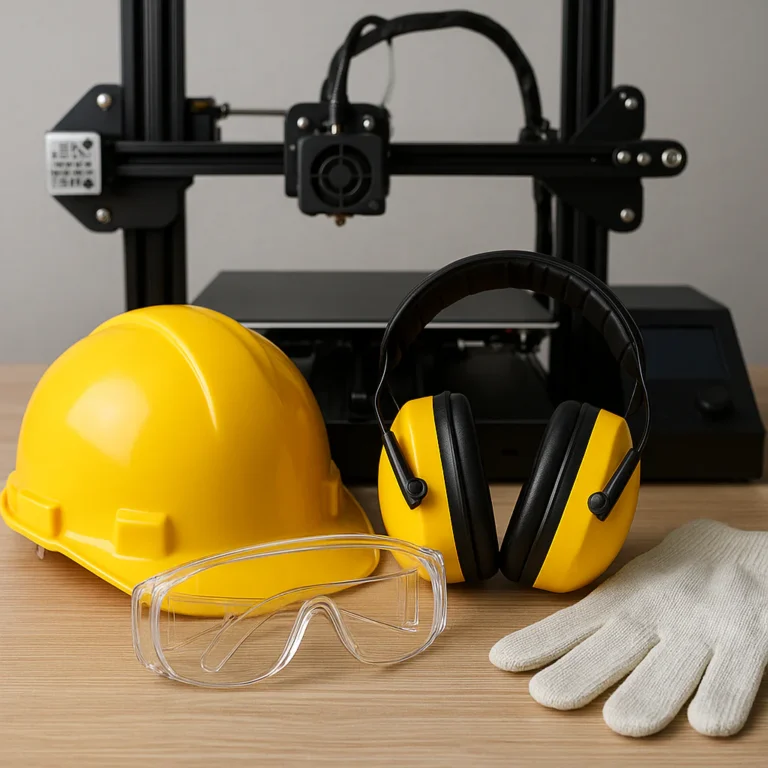
- 🧤 The Ultimate 12-Point PPE Checklist for Every 3D Printing Pro
- 1. Nitrile Gloves: Your First Line of Defense Against Resin
- 2. Safety Glasses and Face Shields: Protecting Your Peepers from Splashes
- 3. Respirators: Breathing Easy Amidst the Chemical Fumes
- 4. Lab Coats and Aprons: Saving Your Skin (and Your Favorite T-Shirt)
- 5. Silicone Mats: Containing the Sticky Mess
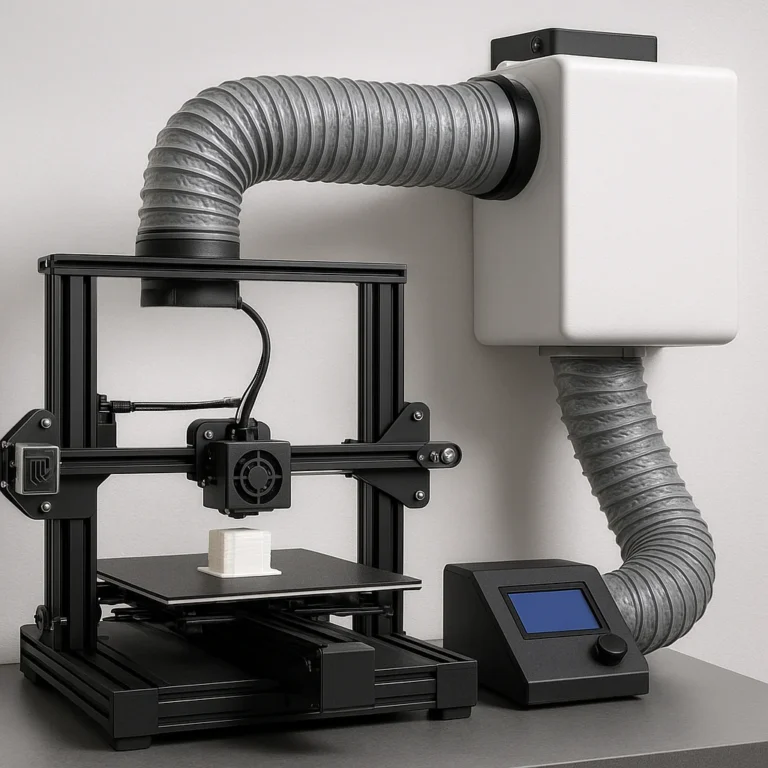
- 6. Fume Extractors and Enclosures: Engineering Controls for Air Quality
- 7. HEPA and Active Carbon Filtration: The Invisible Shield
- 8. Fire Extinguishers: Because “Hotend” Shouldn’t Mean “House Fire”
- 9. Heat-Resistant Gloves: Handling the Hot Stuff Safely
- 10. Eye Wash Stations: Rapid Response for Those “Oops” Moments
- 11. Spill Kits: Managing Resin Mayhem and IPA Leaks
- 12. Proper Ventilation Systems: Air Exchange 101
- 🧪 Resin vs. Filament: Tailoring Your PPE to Your Tech
- 🧼 Post-Processing Safety: Handling IPA and Ultrasonic Cleaners
- 🚸 Safety for the Smallest Makers: PPE for Kids and Classrooms
- 🏭 Beyond the Mask: Creating a Secure Maker Space Environment
- 🏁 Conclusion
- 🔗 Recommended Links
- ❓ FAQ: Your Burning Safety Questions Answered
- 📚 Reference Links
⚡️ Quick Tips and Facts
Before we dive into the nitty-gritty of keeping your lungs pink and your skin resin-free, let’s look at the fast-and-loose rules of the 3D printing lab. If you’re just starting your journey into 3D Printed wonders, these are your non-negotiables.
- ✅ Nitrile is King: Never use latex with resin. Resin eats through latex like a hotend through butter. Always use Nitrile gloves, preferably 5 mil or thicker.
- ✅ Ventilation is Not Optional: If you can smell it, you’re breathing it. Use an enclosure with an active carbon filter or vent to the outside.
- ✅ Cure Your Waste: Never throw liquid resin or resin-soaked paper towels in the trash. UV cure everything until it’s solid.
- ✅ IPA is Flammable: Isopropyl Alcohol is great for cleaning, but it’s a fire hazard. Keep it away from your printer’s heater block!
- ❌ No Drains! Even “water-washable” resin is toxic to aquatic life. Never, ever rinse your prints or tools directly in the sink.
- Fact: A study by UL Chemical Safety found that FDM printers can emit over 200 different Volatile Organic Compounds (VOCs) and billions of Ultrafine Particles (UFPs) per minute.
📜 The Evolution of Safety: From Garage Tinkering to Industrial Standards
In the early days of the RepRap movement, safety was… let’s call it “experimental.” We were more worried about our 3D Printer Reviews being accurate than whether the fumes from that sketchy ABS roll were melting our brain cells. We’ve come a long way from open-frame printers sitting on wooden desks.
Today, the industry is moving toward high-performance materials like ThermaX PPE+PS from 3DXTech. Interestingly, “PPE” in this context refers to Polyphenylene Ether, a high-heat filament with a Heat Deflection Temperature (HDT) of 120°C. While it’s a brilliant material for engineering, it reminds us that as materials get more advanced, the “Personal Protective Equipment” (the other PPE) we wear must keep pace.
We’ve transitioned from “just open a window” to sophisticated 3D Design Software simulations that predict airflow and heat distribution. Safety isn’t just a suggestion anymore; it’s a science.
👃 Why Your Nose Isn’t a Reliable Gas Sensor: The Science of VOCs and UFPs
Have you ever noticed that “sweet” smell when printing PLA? Or the acrid “burnt plastic” odor of ABS? That’s your nose telling you that chemicals are present, but it’s a terrible gauge of how much is actually in the air.
The Invisible Enemies
- VOCs (Volatile Organic Compounds): These are gases emitted from the heated plastic. Some, like Styrene (from ABS), are known carcinogens.
- UFPs (Ultrafine Particles): These are microscopic bits of plastic that are so small they can cross the blood-brain barrier when inhaled.
As the experts at AsianJoyCo point out, relying on your sense of smell is a dangerous game. They recommend the 3M Multi-gas Vapor Cartridge (Model 60926) because it covers a broad spectrum of these invisible threats.
🛡️ Verifying Your Workspace: Ensuring a Secure and Hazard-Free Environment
Before you even hit “Slice,” you need to verify your environment. Think of this as your “security verification” for your physical health. Is your room big enough? Is the airflow moving away from you?
The Workspace Audit Checklist:
- Air Exchange: Does the room have at least 4-6 air changes per hour?
- Surface Protection: Are you using Silicone Mats to catch resin drips?
- Fire Safety: Is there a Class B fire extinguisher within arm’s reach?
We’ve seen too many “security verification successful” messages on websites, but in the lab, your “verification” is a clean air quality monitor reading.
🧤 The Ultimate 12-Point PPE Checklist for Every 3D Printing Pro
If you want to be a pro at creating 3D Printable Objects, you need to dress like one. Here is our definitive list of the PPE you actually need.
1. Nitrile Gloves: Your First Line of Defense Against Resin
Don’t skimp here. We recommend Black Disposable Nitrile Industrial Gloves with a 5 mil thickness.
- Why? They are more chemical-resistant than vinyl or latex.
- Pro Tip: Check the inside of your gloves for resin residue before reusing them. If you see a “wet” spot, toss them!
2. Safety Glasses and Face Shields: Protecting Your Peepers from Splashes
Resin in the eye is a medical emergency.
- Recommendation: 3M Safety Glasses are the gold standard.
- Advanced Option: For heavy-duty resin work, use a full-face shield. In the #featured-video, Iowa State University shows how they actually 3D print the “halo” for face shields to help the community.
3. Respirators: Breathing Easy Amidst the Chemical Fumes
This is the most critical piece of gear for resin and ABS/ASA printing.
Product Spotlight: 3M Ultimate FX Full Face Respirator (FF-402)
| Aspect | Rating (1-10) | Notes |
|---|---|---|
| Comfort | 9/10 | Surprisingly lightweight for a full-face mask. |
| Visibility | 10/10 | Massive field of vision; doesn’t fog up. |
| Protection | 10/10 | When paired with 60926 filters, it’s a fortress. |
| Durability | 8/10 | Lens covers are replaceable, which is a lifesaver. |
Analysis: The 3M Ultimate FX is what we use in the 3D Printed™ lab when we’re doing 24-hour resin marathons. As AsianJoyCo notes, it’s “super comfortable” and provides built-in eye protection.
👉 Shop 3M Respirators on: Amazon | Walmart | 3M Official
4. Lab Coats and Aprons: Saving Your Skin (and Your Favorite T-Shirt)
Resin doesn’t wash out. Once it’s on your clothes, that shirt is now a piece of “cured art.”
- The Gear: A disposable or washable lab coat.
- The Hack: If you get resin on your sleeve, wipe it with IPA and then cure the sleeve under a UV light for 2 minutes before washing.
5. Silicone Mats: Containing the Sticky Mess
These aren’t technically “worn,” but they protect your environment.
- Brand Recommendation: Wham Bam Slap Mat.
- Why? Cured resin peels right off, making cleanup a breeze.
6. Fume Extractors and Enclosures: Engineering Controls for Air Quality
If you can’t wear a mask all day, move the fumes away.
- FDM: Use a Creality Enclosure.
- Resin: Use a grow tent with an inline fan venting out a window.
7. HEPA and Active Carbon Filtration: The Invisible Shield
Filters like the Nevermore Micro for Voron printers are essential for recirculating and cleaning air inside an enclosure.
8. Fire Extinguishers: Because “Hotend” Shouldn’t Mean “House Fire”
Every 3D printing station needs a fire extinguisher.
- The Choice: A Halotron or CO2 extinguisher is best because it won’t leave a corrosive powder that destroys your printer’s electronics.
9. Heat-Resistant Gloves: Handling the Hot Stuff Safely
Ever tried to change a nozzle while it’s at 250°C? It’s a recipe for a trip to the ER.
- The Gear: Leather welding gloves or specialized heat-resistant BBQ gloves.
10. Eye Wash Stations: Rapid Response for Those “Oops” Moments
If a drop of IPA or resin hits your eye, you have seconds to act.
- The Setup: A simple portable eye wash bottle filled with saline solution.
11. Spill Kits: Managing Resin Mayhem and IPA Leaks
A spill kit should include:
- Absorbent pads.
- A 2-gallon bucket.
- Baby wipes (surprisingly good for initial skin contact cleanup).
12. Proper Ventilation Systems: Air Exchange 101
Don’t just blow air around the room. You need a negative pressure setup where air is sucked out of the printer area and pushed outside.
🧪 Resin vs. Filament: Tailoring Your PPE to Your Tech
Not all printers are created equal. If you’re printing PLA on an Original Prusa MK4, your PPE needs are minimal (maybe just some safety glasses for removing supports).
However, if you’re using 3D Printing in Education settings with resin printers like the Anycubic Photon, the PPE requirements skyrocket.
| Feature | FDM (PLA/PETG) | SLA (Resin) |
|---|---|---|
| Gloves | Optional (unless hot) | Mandatory (Nitrile) |
| Respirator | Optional (recommended for ABS) | Mandatory |
| Eye Protection | Recommended (support removal) | Mandatory |
| Waste Disposal | Household Trash | Hazardous Waste (until cured) |
🧼 Post-Processing Safety: Handling IPA and Ultrasonic Cleaners
The danger doesn’t end when the print finishes. In fact, post-processing is where most accidents happen.
As seen in the #featured-video, industrial setups like Iowa State’s use solvent tanks to dissolve support material. In a home lab, you’re likely using Isopropyl Alcohol (IPA).
- Warning: Never put IPA in an ultrasonic cleaner unless it is specifically rated for flammable liquids. The friction can create heat and ignite the vapors. 💥
- The “Tears in Rain” Rule: AsianJoyCo reminds us to retire scratched safety lenses immediately. If you can’t see clearly, you’re more likely to make a mistake.
🚸 Safety for the Smallest Makers: PPE for Kids and Classrooms
When teaching 3D Printing in Education, safety is the first lesson.
- Kid-Sized PPE: Ensure you have small nitrile gloves. Oversized gloves lead to spills.
- Low-VOC Filaments: Stick to PLA or PETG in classrooms. Avoid Resin, ABS, or Nylon unless you have industrial-grade ventilation.
- The “No-Touch” Zone: Use physical barriers or tape on the floor to keep curious hands away from moving parts and hotends.
🏭 Beyond the Mask: Creating a Secure Maker Space Environment
Safety is a culture, not just a set of goggles. We’ve found that the best-protected makers are the ones who organize their space for safety.
- Label Everything: Mark your “Dirty IPA” and “Clean IPA” containers clearly.
- UV Protection: If your resin printer doesn’t have a UV-blocking cover, keep it in a dark cabinet.
- The “Buddy System”: If you’re doing something high-risk (like handling large quantities of resin), make sure someone else is in the house.
But what happens when things go wrong? What is the one thing you should never do with a resin spill? We’ll reveal the ultimate “don’ts” of 3D printing accidents in the next section.
🏁 Conclusion

So, we’ve traveled from the chaotic garage days of early 3D printing to the high-tech, safety-conscious labs of today. We’ve debunked the myth that your nose is a reliable gas detector, explored the terrifying science of UFPs, and walked through a 12-point checklist that could quite literally save your life.
Remember that question we posed earlier: What is the one thing you should never do with a resin spill? The answer is simple but critical: Never wash uncured resin down the drain. Even “water-washable” resins are toxic to aquatic life and can clog your plumbing. Always collect the liquid, cure it in the sun or with a UV lamp until it’s solid, and then dispose of it as hazardous waste.
Final Verdict: Is the Gear Worth It?
Absolutely. The cost of a high-quality respirator or a box of nitrile gloves is a drop in the bucket compared to the cost of a medical bill for chemical burns or long-term respiratory issues.
Product Spotlight: 3M Ultimate FX Full Face Respirator
If you are serious about resin printing or printing with ABS/ASA, this is the gold standard.
- ✅ Positives: Unmatched visibility, replaceable lens covers, superior comfort for long sessions, and compatibility with high-grade 60926 filters.
- ❌ Negatives: Higher upfront cost than half-face masks; requires a bit of adjustment to get the seal perfect.
- 🏆 Recommendation: Buy it. If you print resin more than once a week, the 3M Ultimate FX is an investment in your long-term health. It transforms a hazardous chore into a manageable, safe process.
Whether you are printing 3D Printable Objects for fun or engineering parts with high-performance filaments like ThermaX PPE+PS, remember: the best print is a safe print. Don’t let the “cool factor” of a new gadget compromise your health. Gear up, ventilate, and keep making!
🔗 Recommended Links
Ready to upgrade your safety game? Here are the top products and resources we trust at 3D Printed™.
Essential Safety Gear
- 3M Ultimate FX Full Face Respirator: Amazon | Walmart | 3M Official
- 3M 60926 Multi-Gas Vapor Cartridges: Amazon | Grainger
- Black Nitrile Gloves (5 Mil): Amazon | Uline
- Silicone Mats for Resin: Amazon | Etsy
- Portable Eye Wash Station: Amazon | Home Depot
Ventilation & Filtration
- Nevermore Micro Air Filter: GitHub | Voron Design Store
- Grow Tents for Enclosures: Amazon | Growers Supply
- 3DXTECH ThermaX PPE+PS Filament: 3DXTECH Official | Amazon
Educational Resources
- “Resin Safety 101” Guide: AsianJoyCo
- UL Chemical Safety Research: UL.org
- Books on 3D Printing Safety: The Ultimate Guide to 3D Printing Safety | Amazon Best Sellers in 3D Printing
❓ FAQ: Your Burning Safety Questions Answered

### What PPE is essential for safe 3D printing?
The absolute essentials depend on your technology. For FDM (Filament), safety glasses and good ventilation are the minimum. For SLA (Resin), you must wear nitrile gloves, a respirator with organic vapor cartridges, and eye protection (preferably a full face shield). Never skip the gloves; resin is a potent sensitizer that can cause severe allergic reactions.
### Do I need a respirator for FDM 3D printing?
It depends on what you are printing.
- PLA/PETG: Generally safe in well-ventilated rooms, but a basic mask helps with dust.
- ABS/ASA/Nylon: Yes, absolutely. These materials emit Styrene and other VOCs. A respirator with P100 filters (for particles) and organic vapor cartridges (for fumes) is highly recommended.
- Why? As noted by UL Chemical Safety, these fumes can cause headaches, dizziness, and long-term respiratory issues.
### What are the best safety glasses for 3D printing?
You need glasses that meet ANSI Z87.1 standards for impact resistance.
- Top Pick: 3M SecureFit or Uvex Skyper. They are lightweight, anti-fog, and provide side protection.
- Pro Tip: If you are handling resin, consider a full-face shield over your safety glasses for maximum protection against splashes.
### How do I protect my skin from 3D printing fumes?
Fumes primarily affect your respiratory system, but some chemicals can settle on your skin.
- Ventilation: Ensure your room has good airflow or use an enclosure with a filter.
- Clothing: Wear long sleeves and a lab coat to prevent skin contact with settled particulates.
- Hygiene: Wash your hands thoroughly after printing, even if you wore gloves.
### Is a ventilation system necessary for home 3D printing?
Yes. While opening a window helps, it’s often not enough for resin or high-temp filaments.
- The Solution: Use an enclosure with an active carbon filter or vent the air outside via a window fan.
- Why? Without ventilation, VOCs and UFPs accumulate in your home, potentially reaching dangerous levels over time.
### What PPE should I wear when handling resin for SLA printing?
Resin is a liquid chemical hazard. You need:
- Nitrile Gloves (5 mil+): Check for tears before every use.
- Respirator: 3M 60926 cartridges are the industry standard for organic vapors.
- Eye Protection: Safety glasses + face shield.
- Protective Clothing: A lab coat or apron.
- Footwear: Closed-toe shoes (resin can soak through socks!).
### Are there specific gloves recommended for 3D printing post-processing?
Yes. Nitrile is the only choice.
- Avoid: Latex (resin dissolves it) and Vinyl (too thin and permeable).
- Thickness: Go for 5 mil or 8 mil for better chemical resistance.
- Disposal: Never reuse gloves that have touched uncured resin. If you must reuse them for a short time, inspect the inside for “wet” spots and cure them in the sun before disposal.
### What should I do if I get resin on my skin?
- Stop immediately.
- Wash with warm water and mild soap. Do not use solvents like IPA on your skin, as they can drive the resin deeper.
- Rinse thoroughly.
- Monitor for redness or itching. If a reaction persists, seek medical attention. Long-term exposure can lead to contact chronic dermatitis.
### Can I use a regular vacuum cleaner to clean up resin spills?
No. A standard vacuum will suck the liquid resin into the motor and bag, potentially causing a fire or spreading toxic fumes. Use absorbent pads or clay to soak up the spill, then cure it before disposal.
📚 Reference Links
- 3DXTECH ThermaX PPE+PS Filament: Official Product Page
- AsianJoyCo Resin Safety 101: Resin Safety Guide
- UL Chemical Safety: 3D Printing Emissions Research
- 3M Safety Products: Respiratory Protection
- OSHA Guidelines: Hazard Communication Standard
- Iowa State University: 3D Printing Safety Protocols
- EPA: Chemical Safety for Small Business