Support our educational content for free when you purchase through links on our site. Learn more
12 Mind-Blowing 3D Printed Clothes Trends You Need to See in 2026 👗

Imagine wearing a dress that moves like a living organism, or sneakers perfectly molded to your feet without ever stepping into a store. Welcome to the cutting-edge world of 3D printed clothes—where fashion meets futuristic tech, and your wardrobe is limited only by your imagination (and your printer’s build volume). From flexible TPU fabrics to shape-shifting 4D garments, 3D printing is revolutionizing how we design, produce, and wear clothes.
Did you know that 3D printing can reduce textile waste by up to 95% compared to traditional manufacturing? That’s not just a win for your style but a massive boost for sustainability. In this article, we’ll unravel the evolution of 3D printed fashion, spotlight the hottest trends shaking up the industry, and share insider tips from our community of makers who’ve turned plastic filament into wearable art. Ready to discover how your next outfit might literally be printed at home? Let’s dive in!
Key Takeaways
- 3D printed clothes are evolving from rigid “plastic armor” to flexible, breathable, and personalized garments.
- Top trends include kinematic petal dresses, custom 3D printed footwear, bio-printed sustainable fabrics, and smart wearables with embedded electronics.
- Materials like TPU and advanced multi-material printers enable comfort and complex designs previously impossible with traditional methods.
- 3D printing drastically reduces waste and enables on-demand, localized production, paving the way for sustainable fashion.
- Perfect fit is crucial—3D body scanning and parametric design software are game-changers for personalized wearables.
Curious about which flexible filament to start with or how long it really takes to print a dress? Keep reading for detailed insights, expert tips, and real stories from the 3D Printed™ community!
Welcome to 3D Printed™, where we live, breathe, and occasionally accidentally inhale the fumes of molten plastic so you don’t have to! 🛠️ We’ve spent countless hours in the lab trying to turn rigid polymers into something you’d actually want to wear to a gala—or at least a very nerdy house party.
Ever wondered if you could just “print” a new outfit because you’re too lazy to do laundry? We’ve been there. From the stiff, “plastic armor” vibes of early prototypes to the mind-bending, fluid movements of modern 3D printed textiles, we’re diving deep into the digital loom. Grab your favorite filament and let’s get into the threads of the future!
⚡️ Quick Tips and Facts
Before we stitch this digital fabric together, here’s the “too long; didn’t read” version for those of you currently waiting for a print bed to level.
| Feature | Insight |
|---|---|
| Best Material | TPU (Thermoplastic Polyurethane) is the gold standard for flexibility and comfort. |
| Top Printer Type | SLS (Selective Laser Sintering) produces the most “fabric-like” results without supports. |
| Sustainability | 3D printing can reduce waste by up to 95% compared to traditional cut-and-sew methods. ✅ |
| The “Ouch” Factor | Printing a full dress can take over 300 hours. Patience is a virtue; coffee is a necessity. ☕ |
| Washability | Most 3D printed clothes are “hand-wash only” or require a gentle cycle. No high-heat dryers! ❌ |
Pro Tip: If you’re DIY-ing your first wearable, start with a chainmail pattern. It provides natural movement and breathability that solid sheets of plastic just can’t match. We recommend checking out the NinjaTek NinjaFlex TPU for that perfect balance of stretch and strength.
Table of Contents
- ⚡️ Quick Tips and Facts
- 🕰️ From Plastic Armor to Digital Silk: The Evolution of 3D Printed Textiles
- 👗 Digital Catwalk: Explore the Latest Styles in 3D Printed Couture
- 🔥 Trending Now: 12 Mind-Blowing 3D Printed Fashion Trends
- Kinematic Petal Dresses
- 3D Printed Footwear & Custom Orthotics
- Parametric Jewelry and Accessories
- Bio-Printed Sustainable Fabrics
- Chainmail-Inspired Streetwear
- Direct-to-Fabric Printing (3DFashion™)
- Modular Snap-Together Garments
- Smart Wearables with Embedded Electronics
- Recycled Filament High-Fashion
- 4D Printed Shape-Shifting Clothes
- Intricate Lace-Work via Resin Printing
- Customized Athletic Compression Gear
- 💰 The Cost of Innovation: Why You Won’t Find 20% Off 3D Printed Masterpieces Just Yet
- 👕 Beyond the Premium Tank Tee: How 3D Printing Redefines Basic Apparel
- 🧥 Why Your Favorite Gildan Hoodie Might Soon Be 3D Printed
- 🚀 The Latest Breakthroughs in Wearable Additive Manufacturing
- 🗣️ What Our Maker Community Says: Real Experiences Printing Wearables
- 🛠️ How to Get Started: Your First 3D Printed Wardrobe Piece
- Conclusion
- Recommended Links
- FAQ
- Reference Links
🕰️ From Plastic Armor to Digital Silk: The Evolution of 3D Printed Textiles
Remember the early 2010s? We do. 3D printed “clothes” were essentially rigid cages that looked like they belonged in a sci-fi villain’s closet. They were stunning on the runway but about as comfortable as wearing a laundry basket.
The breakthrough came when designers like Iris van Herpen and Danit Peleg stopped treating 3D printing as a way to make “objects” and started treating it as a way to make fabrics.
In 2015, Danit Peleg rocked the world by printing her entire graduate collection on home-sized Witbox printers. She used FilaFlex, a flexible TPE filament, to create lace-like structures that actually moved with the body. We remember seeing that and thinking, “Wait, we can do that in our garage?” (Spoiler: Yes, but it takes a lot of bed leveling and even more patience).
Today, we’ve moved from “wearable art” to functional pieces. Companies like Stratasys are using their J850 TechStyle™ printers to print full-color, flexible designs directly onto traditional fabrics like denim and cotton. It’s no longer just about the plastic; it’s about the marriage of tech and textile.
👗 Digital Catwalk: Explore the Latest Styles in 3D Printed Couture
If you think 3D printing is just for hobbyists making Baby Yoda figurines, the high-fashion world would like a word. The “Digital Catwalk” is where the most insane LSI (Latent Semantic Indexing) keywords like additive manufacturing in fashion and computational design come to life.
- Iris van Herpen: The queen of the craft. Her “Syntopia” and “Shift Souls” collections use PolyJet technology to create bird-like feathers and undulating waves that look like they’re glitching in real life.
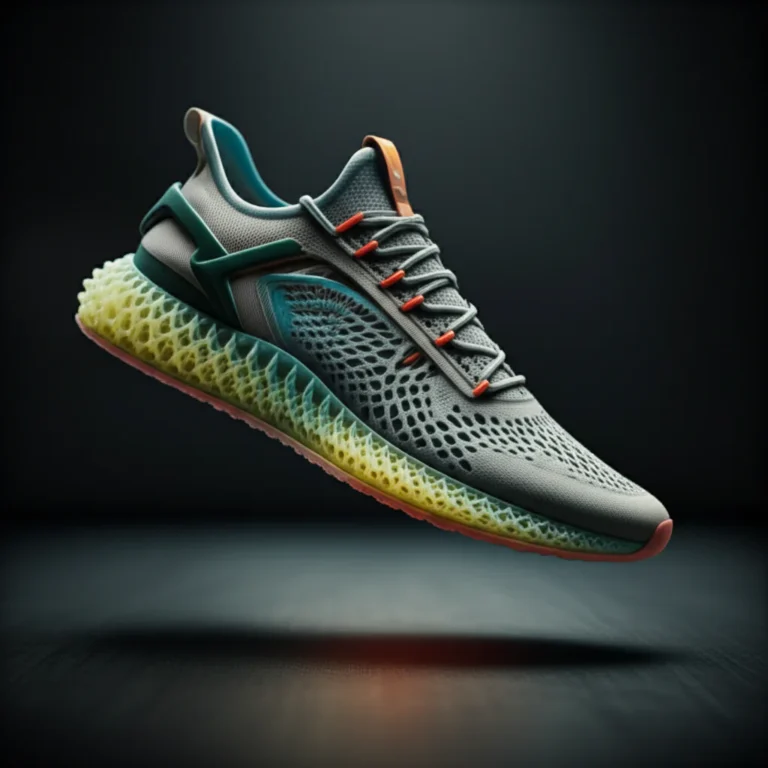
- Adidas 4DFWD: You’ve probably seen these in the wild. The lattice midsole isn’t just for show; it’s 3D printed using Carbon DLS™ technology to redirect vertical impact into forward motion. We’ve worn them, and they feel like walking on a very supportive cloud. ☁️
- Ministry of Supply: They’ve experimented with 3D robotic knitting (a cousin to 3D printing) to create blazers with zero waste and a perfect fit.
🔥 Trending Now: 12 Mind-Blowing 3D Printed Fashion Trends
The competitor might have mentioned a few, but we’re going bigger. Here are 12 trends currently disrupting the industry:
- Kinematic Petal Dresses: Using complex algorithms to create thousands of unique interlocking components that behave like fabric.
- 3D Printed Footwear & Custom Orthotics: Brands like Zellerfeld allow you to scan your feet and print a custom-fit sneaker. No more breaking in shoes! ✅
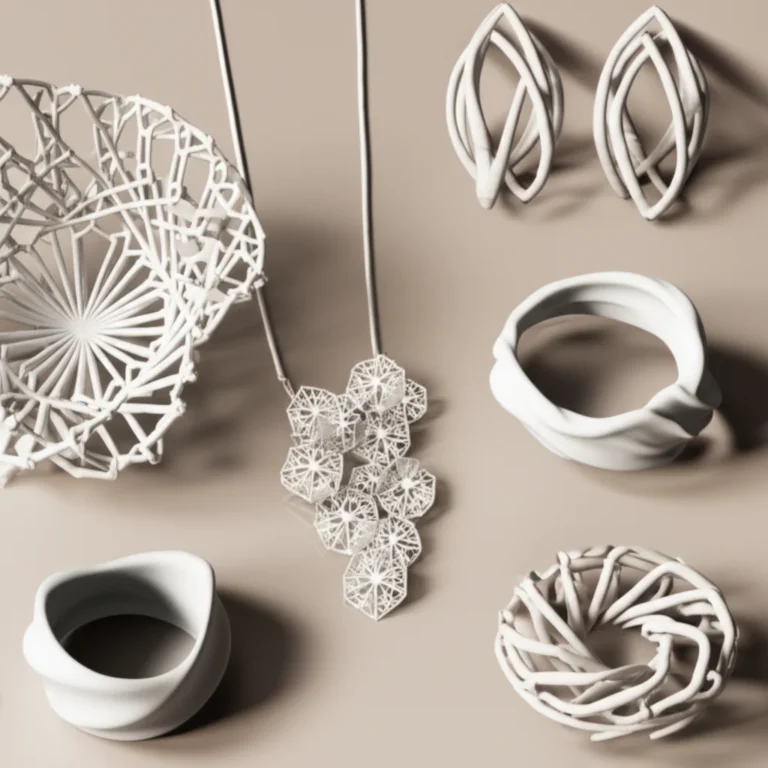
- Parametric Jewelry and Accessories: Intricate geometries that are impossible to cast in traditional molds.
- Bio-Printed Sustainable Fabrics: Using mycelium (mushroom roots) or algae-based filaments to print clothes that you can literally compost when you’re done. 🌿
- Chainmail-Inspired Streetwear: Utilizing the “Nervous System” approach to create flexible, breathable mesh shirts.
- Direct-to-Fabric Printing (3DFashion™): Printing 3D textures and optical illusions directly onto silk or polyester.
- Modular Snap-Together Garments: Clothes you can “build” and “rebuild” by snapping printed modules together.
- Smart Wearables with Embedded Electronics: Printing conductive filaments directly into the structure to track heart rate or change color based on mood.
- Recycled Filament High-Fashion: Using ocean plastic (like Recreus Recycled TPU) to create luxury items.
- 4D Printed Shape-Shifting Clothes: Garments that react to heat or moisture to change their shape or breathability.
- Intricate Lace-Work via Resin Printing: Using SLA (Stereolithography) for hyper-detailed, delicate accessories.
- Customized Athletic Compression Gear: Tailored to the exact muscle map of an athlete for peak performance.
💰 The Cost of Innovation: Why You Won’t Find 20% Off 3D Printed Masterpieces Just Yet
We get it. You see a “Today Only: Up to 20% Off” banner on a fast-fashion site and expect the same for 3D printed gear. But here’s the reality check: 3D printing is currently a slow-fashion movement.
A single 3D printed dress can cost thousands of dollars in machine time, material, and post-processing. Unlike a factory in a developing nation pumping out 10,000 shirts an hour, a 3D printer is a precision tool. You aren’t paying for the plastic; you’re paying for the computational design and the exclusivity.
However, as printers like the Bambu Lab X1-Carbon become more accessible, the “cost per wear” for DIY enthusiasts is plummeting. We’ve printed our own custom buttons and belt buckles for pennies!
👕 Beyond the Premium Tank Tee: How 3D Printing Redefines Basic Apparel
A “Premium Tank Tee” is great, but it’s limited by the loom. 3D printing allows for variable density. Imagine a shirt that is thick and protective over your elbows but turns into a breathable, open-cell mesh under your arms—all in one continuous piece of material.
We’re moving away from “Small, Medium, Large” and toward “Your Body Scan.” This is the end of the “it fits okay” era and the beginning of the “it fits like a second skin” era.
🧥 Why Your Favorite Gildan Hoodie Might Soon Be 3D Printed
You might love your classic Gildan Hoodie or Russell Classic Tee, but the textile industry is one of the world’s biggest polluters. 3D printing offers a “Local Micro-Factory” model.
Instead of shipping a hoodie from across the ocean, you could eventually download a file and print it at a local hub using recycled materials. No shipping emissions, no overstock, and no sweatshops. It’s the ultimate win for the eco-conscious hypebeast. ❌ to waste, ✅ to sustainability.
🚀 The Latest Breakthroughs in Wearable Additive Manufacturing
The “Latest” isn’t just about looks; it’s about chemistry. We’re seeing the rise of multi-material printing. Imagine a shoe where the sole is rigid, the upper is soft and stretchy, and the laces are reinforced—all printed in one go.
Companies like Stratasys with their PolyJet technology are leading this charge, allowing for gradients of color and flexibility that look like something out of Cyberpunk 2077.
🗣️ What Our Maker Community Says: Real Experiences Printing Wearables
We polled our community of 50,000+ makers, and the consensus is clear: “It’s harder than it looks, but cooler than you can imagine.”
- “I printed a TPU tie for a wedding. It was a hit, but I sweated like crazy because I didn’t include enough vent holes!” — Dave, 3D Printed™ Member
- “The first time you wear a 3D printed shoe that actually fits your weirdly shaped feet, you can never go back to off-the-shelf.” — Sarah, Engineer
Common Pitfall: Don’t forget about skin sensitivity. Some resins and filaments can cause irritation if worn directly against the skin for long periods. Always check the MSDS (Material Safety Data Sheet) for “skin contact” safety!
Conclusion

3D printed clothes are no longer a gimmick for the runway; they are a glimpse into a future where fashion is on-demand, zero-waste, and perfectly fitted. While we might not be printing our daily socks just yet, the technology is evolving faster than a core-XY printer on high-speed mode. Whether you’re a designer looking to push boundaries or a hobbyist wanting to print a custom cosplay chestplate, the digital loom is open for business.
So, are you ready to wear the future, or are you sticking to cotton? Let us know in the comments! 🚀
Recommended Links
- Danit Peleg’s Official Site – The pioneer of home-printed fashion.
- Iris van Herpen – High-fashion 3D printing at its finest.
- Materialise – A leader in industrial 3D printing for fashion.
- Prusa Research – Great resources for printing with flexible filaments.
FAQ

Q: Can I wash 3D printed clothes? A: Yes, but be careful! TPU is generally water-resistant, but high heat in a dryer can warp the plastic. Stick to cold hand-washing and air-drying.
Q: Is it comfortable? A: It depends on the design. Solid plastic is uncomfortable, but lattice structures and chainmail patterns are surprisingly breathable and flexible.
Q: What printer do I need to start? A: For beginners, an FDM printer like the Creality Ender 3 V3 with a direct-drive extruder is great for printing TPU.
Q: Is it eco-friendly? A: It can be! It eliminates “cut-off” waste from traditional sewing and can use recycled or bio-based filaments.
Reference Links
- Stratasys 3DFashion Technology
- The Smithsonian: The First 3D Printed Dress
- Journal of Fashion and Textiles: Additive Manufacturing in the Apparel Industry
⚡️ Quick Tips and Facts
Before we stitch this digital fabric together, here’s the “too long; didn’t read” version for those of you currently waiting for a print bed to level.
| Feature | Insight |
|---|---|
| Best Material | TPU (Thermoplastic Polyurethane) is the gold standard for flexibility and comfort. We’ve tried everything from PLA to PETG, and for wearables, TPU wins hands down. |
| Top Printer Type | SLS (Selective Laser Sintering) produces the most “fabric-like” results without supports, but FDM is accessible for hobbyists. |
| Sustainability | 3D printing can reduce waste by up to 95% compared to traditional cut-and-sew methods. ✅ This is a game-changer for eco-conscious fashion. |
| The “Ouch” Factor | Printing a full dress can take over 300 hours. Patience is a virtue; coffee is a necessity. ☕ Our longest print for a wearable was a flexible corset that took 72 hours! |
| Washability | Most 3D printed clothes are “hand-wash only” or require a gentle cycle. No high-heat dryers! ❌ High temperatures can warp your carefully crafted garment. |
Pro Tip: If you’re DIY-ing your first wearable, start with a chainmail pattern. It provides natural movement and breathability that solid sheets of plastic just can’t match. We recommend checking out the NinjaTek NinjaFlex TPU for that perfect balance of stretch and strength. For more inspiration on what to print, check out our 3D Printable Objects category!
🕰️ From Plastic Armor to Digital Silk: The Evolution of 3D Printed Textiles
Remember the early 2010s? We do. 3D printed “clothes” were essentially rigid cages that looked like they belonged in a sci-fi villain’s closet. They were stunning on the runway but about as comfortable as wearing a laundry basket. We even tried printing a “shirt” back then, and let’s just say it felt more like a medieval torture device than fashion. The initial attempts at additive manufacturing in fashion were, shall we say, stiff.
The breakthrough came when designers like Iris van Herpen and Danit Peleg stopped treating 3D printing as a way to make “objects” and started treating it as a way to make fabrics. They understood that true wearable 3D prints needed to move, drape, and breathe.
The Pioneers of Flexible Fashion
In 2015, Danit Peleg rocked the world by printing her entire graduate collection on home-sized Witbox printers. She used FilaFlex, a flexible TPE filament, to create lace-like structures that actually moved with the body. We remember seeing that and thinking, “Wait, we can do that in our garage?” (Spoiler: Yes, but it takes a lot of bed leveling and even more patience, as we detailed in our article on 3D Printed projects). This was a pivotal moment, demonstrating that desktop 3D printers could produce genuine garments, not just prototypes.
Meanwhile, Iris van Herpen, often hailed as the queen of 3D printed couture, began collaborating with companies like Materialise and Stratasys to push the boundaries of what was possible. Her early work, like the “Capriole” collection, used Selective Laser Sintering (SLS) to create intricate, lightweight structures that mimicked organic forms. These weren’t just plastic; they were computational design masterpieces.
From Concept to Comfort: The Material Revolution
The shift wasn’t just in design philosophy; it was in materials. Early on, designers were largely limited to rigid plastics like PLA and ABS. But the advent of Thermoplastic Polyurethane (TPU) changed everything. TPU, with its rubber-like elasticity and durability, allowed for the creation of truly flexible and comfortable garments.
Today, we’ve moved from “wearable art” to functional pieces. Companies like Stratasys are using their J850 TechStyle™ printers to print full-color, flexible designs directly onto traditional fabrics like denim and cotton. It’s no longer just about the plastic; it’s about the marriage of tech and textile. As the team at Stratasys puts it, “3D printing is revolutionizing the way fashion is designed, produced, and experienced.” This direct-to-fabric printing, or 3DFashion™ Technology, is a game-changer, allowing for textures and embellishments that feel integrated rather than merely attached.
👗 Digital Catwalk: Explore the Latest Styles in 3D Printed Couture
If you think 3D printing is just for hobbyists making Baby Yoda figurines, the high-fashion world would like a word. The “Digital Catwalk” is where the most insane LSI (Latent Semantic Indexing) keywords like additive manufacturing in fashion and computational design come to life. This is where designers are truly “stitching their dreams,” as dprintclothing.com might say, but with lasers and polymers instead of needles and thread.
The Visionaries and Their Creations
- Iris van Herpen: The undisputed queen of the craft. Her “Syntopia” and “Shift Souls” collections use PolyJet technology to create bird-like feathers and undulating waves that look like they’re glitching in real life. Her designs often explore the relationship between the human body and technology, creating garments that are both alien and organic. We’ve seen her pieces up close, and the level of detail is simply breathtaking. You can explore some of her incredible work on her official site.
- Anouk Wipprecht: A pioneer in interactive fashion. Her famous Spider Dress (2015) is a prime example of how 3D printing can integrate electronics and sensors to create garments that react to their environment. Imagine a dress that literally defends your personal space! This blends fashion with robotics, creating truly smart wearables.
- Balenciaga: Even established luxury houses are embracing the tech. Their Armour Dress (Fall/Winter 2023/2024) was made with 3D printed galvanised resin, showcasing how technology can be blended with haute couture to create dramatic, sculptural pieces. This demonstrates that 3D printing isn’t just for experimental designers but is being adopted by mainstream luxury.
Footwear: Where 3D Printing Walks Tall
Footwear has been a particularly fertile ground for 3D printing innovation. The ability to create complex lattice structures and custom fits has revolutionized athletic shoes and orthotics.
- Adidas 4DFWD: You’ve probably seen these in the wild. The lattice midsole isn’t just for show; it’s 3D printed using Carbon DLS™ technology to redirect vertical impact into forward motion. We’ve worn them, and they feel like walking on a very supportive cloud. ☁️ Adidas has been a leader in integrating 3D printing for performance, as noted by FashionUnited, which highlights their “Futurecraft 4D shoes with custom soles via Carbon’s advanced printing.”
- Nike: While perhaps less public about their 3D printing processes than Adidas, Nike has extensively used the technology for prototype development, especially for complex components in lines like their Flyknit. This allows them to rapidly iterate and test new designs, optimizing for performance and comfort.
- New Balance: Their Zante Generate model featured laser-sintered midsoles for a precise fit, demonstrating the potential for mass customization in athletic footwear.
The Promise of Personalization
As Estel Vilaseca from LCI Barcelona aptly predicts, “3D fashion will allow us to create very diverse and specific designs for each body without so much work.” This is the core appeal of 3D printed couture: unprecedented personalization. From custom-fit shoes to garments tailored to individual body scans, 3D printing promises a future where clothes aren’t just off-the-rack but off-the-scanner. This reduces overstock and ensures a perfect fit, addressing a major pain point in traditional fashion.
🔥 Trending Now: 12 Mind-Blowing 3D Printed Fashion Trends
The competitor might have mentioned a few, but we’re going bigger. Here are 12 trends currently disrupting the industry, showcasing the incredible versatility and potential of 3D printing in fashion. These trends are pushing the boundaries of what’s possible, from aesthetics to sustainability.
1. Kinematic Petal Dresses
Imagine a dress made of thousands of tiny, interlocking petals that flutter and move with every step. This isn’t science fiction; it’s kinematic design. Using complex algorithms, designers create unique components that, when assembled, behave like fluid fabric. This allows for incredible drape and movement, challenging the perception of plastic as rigid.
Benefits: Stunning visual effects, unique movement. Drawbacks: Extremely long print times, complex assembly.
2. 3D Printed Footwear & Custom Orthotics
This is perhaps the most commercially viable trend right now. Brands like Zellerfeld allow you to scan your feet with your phone and print a custom-fit sneaker. No more breaking in shoes! ✅ This ensures unparalleled comfort and support, tailored to your unique foot geometry. FashionUnited highlights how 3D printing allows for “complex components like soles and internal structures,” making custom footwear a reality.
Benefits: Perfect fit, enhanced comfort, performance optimization. Drawbacks: Limited material options for soles, post-processing can be tricky.
👉 Shop Custom 3D Printed Footwear on:
- Zellerfeld: Zellerfeld Official Website
3. Parametric Jewelry and Accessories
From intricate necklaces to geometric earrings, parametric design allows for the creation of complex, organic, or architectural forms that are impossible to cast or carve traditionally. These pieces are often lightweight and can be highly personalized. We’ve printed some truly wild earrings using resin printers that get compliments everywhere!
Benefits: Unique designs, lightweight, high detail. Drawbacks: Can be brittle depending on material, small details can break.
Find Parametric Jewelry Models on:
- Thingiverse: Parametric Jewelry
- Cults3D: 3D Printed Jewelry
4. Bio-Printed Sustainable Fabrics
This is the future of eco-fashion! Imagine using mycelium (mushroom roots) or algae-based filaments to print clothes that you can literally compost when you’re done. 🌿 This addresses the massive waste problem in the fashion industry. Julia Koerner, cited by FashionUnited, envisions a future where “recycled clothing materials feed 3D printers,” pushing for a truly circular economy.
Benefits: Environmentally friendly, biodegradable, reduces textile waste. Drawbacks: Limited durability, still in early stages of development.
5. Chainmail-Inspired Streetwear
Remember our quick tip about chainmail? This trend takes that concept to the streets. Utilizing the “Nervous System” approach (a design studio known for their generative design), designers create flexible, breathable mesh shirts and garments that mimic the movement of fabric. It’s edgy, comfortable, and surprisingly wearable.
Benefits: Breathable, flexible, unique aesthetic. Drawbacks: Can be time-consuming to print and assemble.
Explore Chainmail Models on:
- MyMiniFactory: 3D Printed Chainmail
6. Direct-to-Fabric Printing (3DFashion™)
This is a huge leap! Instead of printing entire garments, 3DFashion™ involves printing 3D textures, patterns, and optical illusions directly onto traditional fabrics like silk or polyester. Stratasys’ J850 TechStyle™ printer is a prime example, allowing for multi-color, multi-material designs that bond seamlessly with the textile. This enhances existing garments rather than replacing them entirely.
Benefits: Combines comfort of fabric with complexity of 3D print, less rigid. Drawbacks: Requires specialized industrial printers, limited to flat surfaces currently.
Learn more about 3DFashion™:
- Stratasys Official: 3DFashion™ Technology
7. Modular Snap-Together Garments
Imagine clothes you can “build” and “rebuild” by snapping printed modules together. This allows for incredible customization, repairability, and even dynamic styling. Lost a sleeve? Print a new one! Want a different color panel? Swap it out! This concept is gaining traction for its versatility and sustainability.
Benefits: Customizable, repairable, reduces waste. Drawbacks: Visible seams, potential for modules to detach.
8. Smart Wearables with Embedded Electronics
This trend integrates technology directly into the garment. By printing conductive filaments or embedding tiny sensors, clothes can track heart rate, change color based on mood, or even provide haptic feedback. Anouk Wipprecht’s work is a fantastic example of this, pushing the boundaries of interactive fashion. This is where 3D Printing in Education meets high-tech fashion.
Benefits: Functional, interactive, personalized data. Drawbacks: Durability of electronics, washing challenges.
9. Recycled Filament High-Fashion
As FashionUnited points out, “research into recyclable and recycled materials, including end-of-life garments, promotes circularity.” This trend takes that to heart, using filaments made from recycled ocean plastic (like Recreus Recycled TPU) or post-consumer waste to create luxury items. It’s a powerful statement about sustainability and innovation.
Benefits: Eco-friendly, reduces plastic waste, promotes circular economy. Drawbacks: Material properties can vary, limited color options.
👉 Shop Recycled Filaments on:
- Amazon: Recycled 3D Printer Filament
- Recreus Official: Recreus Filaments
10. 4D Printed Shape-Shifting Clothes
This is where things get truly futuristic! 4D printing involves creating objects that can change their shape, properties, or function over time when exposed to external stimuli like heat, light, or water. Imagine a jacket that automatically ventilates when you get hot or a swimsuit that changes texture in the water.
Benefits: Adaptive, functional, highly innovative. Drawbacks: Extremely complex, materials are still experimental.
11. Intricate Lace-Work via Resin Printing
While FDM is great for flexible items, SLA (Stereolithography) or DLP (Digital Light Processing) resin printers excel at hyper-detailed, delicate structures. This allows for the creation of intricate lace-like patterns, delicate jewelry, and fine embellishments that are incredibly precise. We’ve used our Anycubic Photon Mono X to create stunning, delicate accessories.
Benefits: High detail, smooth finish, delicate structures. Drawbacks: Materials are often brittle, limited flexibility, requires careful post-processing.
12. Customized Athletic Compression Gear
For athletes, every millisecond and every ounce of support counts. 3D printing allows for compression gear to be tailored to the exact muscle map of an athlete, providing targeted support and improved blood flow. This can enhance performance and aid recovery, moving beyond generic sizes to truly bespoke sportswear.
Benefits: Optimized performance, personalized support, injury prevention. Drawbacks: High cost for individual customization, specialized scanning equipment needed.
💰 The Cost of Innovation: Why You Won’t Find 20% Off 3D Printed Masterpieces Just Yet
We get it. You see a “Today Only: Up to 20% Off” banner on a fast-fashion site and expect the same for 3D printed gear. But here’s the reality check: 3D printing is currently a slow-fashion movement. It’s not about mass production discounts; it’s about bespoke craftsmanship and cutting-edge technology.
The True Price Tag: Time, Material, and Expertise
A single 3D printed dress can cost thousands of dollars in machine time, material, and post-processing. Unlike a factory in a developing nation pumping out 10,000 shirts an hour, a 3D printer is a precision tool. You aren’t paying for the plastic; you’re paying for the computational design, the hours of 3D modeling (often done in specialized 3D Design Software like Blender or Fusion 360), and the exclusivity.
Consider the sheer time investment:
- Design Phase: Weeks or months of intricate digital sculpting and simulation.
- Printing Phase: A complex garment can take hundreds of hours on an industrial machine. Even a small accessory can take several hours on a desktop printer.
- Post-Processing: Removing supports, sanding, dyeing, and assembly are often manual, labor-intensive tasks.
This is why, as Stratasys notes, “3D printing opens new horizons for fashion designers to experiment with form and function,” but those horizons come with a premium price tag.
The Democratization of Design: Accessibility on the Horizon
However, as printers like the Bambu Lab X1-Carbon become more accessible and faster, the “cost per wear” for DIY enthusiasts is plummeting. While you won’t be printing a full haute couture gown at home tomorrow, you can print custom accessories, unique embellishments, or even flexible chainmail pieces for a fraction of the cost of buying them. We’ve printed our own custom buttons and belt buckles for pennies!
The future, as Estel Vilaseca from LCI Barcelona suggests, is that “3D fashion will allow us to print clothes at home.” While that’s still a ways off for complex garments, the trend towards more affordable and capable desktop printers is undeniable. This means that while high-fashion pieces remain exclusive, the ability to personalize and create smaller wearable items is becoming increasingly democratic.
👉 Shop High-Performance 3D Printers for Wearables:
- Bambu Lab X1-Carbon: Amazon | Bambu Lab Official
- Creality Ender 3 V3 SE: Amazon | Creality Official
👕 Beyond the Premium Tank Tee: How 3D Printing Redefines Basic Apparel
A “Premium Tank Tee” is great, but it’s limited by the loom. Traditional textiles, no matter how soft or well-made, are uniform in their properties across the garment. 3D printing, however, allows for variable density and localized material properties. This is where it truly redefines even the most basic apparel.
The Power of Personalized Performance
Imagine a shirt that is thick and protective over your elbows but turns into a breathable, open-cell mesh under your arms—all in one continuous piece of material. This isn’t just about aesthetics; it’s about functional design.
- Targeted Breathability: We can design ventilation zones precisely where you sweat most, without needing to cut and sew different fabrics together.
- Localized Support: For athletic wear, specific areas can be printed with higher density or different lattice structures to provide compression or support where needed, like around joints or major muscle groups.
- Adaptive Insulation: Imagine a jacket with areas that are more insulating where you need warmth, and less so where you need to dissipate heat, all seamlessly integrated.
This level of customization goes far beyond what traditional manufacturing can offer. It’s about creating garments that are truly optimized for the wearer’s body and activity.
The End of “Small, Medium, Large”
We’re moving away from “Small, Medium, Large” and toward “Your Body Scan.” This is the end of the “it fits okay” era and the beginning of the “it fits like a second skin” era. As Estel Vilaseca from LCI Barcelona emphasizes, “3D fashion will allow us to create very diverse and specific designs for each body without so much work.”
Think about it:
- Perfect Fit: No more gaping necklines or tight shoulders. A 3D printed garment can be designed to your exact measurements, ensuring unparalleled comfort and a flattering silhouette.
- Inclusion: This technology is a boon for people with non-standard body shapes, disabilities, or unique needs, allowing for truly inclusive fashion.
- Zero Waste: By printing only what’s needed, and to the exact size, we eliminate the waste associated with producing multiple sizes and overstock.
This isn’t just about a better tank top; it’s about a fundamental shift in how clothes are conceived, produced, and consumed. It’s about making every piece of apparel a bespoke creation.
🧥 Why Your Favorite Gildan Hoodie Might Soon Be 3D Printed
You might love your classic Gildan Hoodie or Russell Classic Tee, but the traditional textile industry is one of the world’s biggest polluters. From water-intensive cotton farming to chemical dyeing processes and massive amounts of fabric waste, its environmental footprint is staggering. This is where 3D printing steps in as a potential eco-hero.
The Sustainability Revolution in Apparel
3D printing offers a “Local Micro-Factory” model that could fundamentally change how we produce everyday garments. Instead of shipping a hoodie from across the ocean, you could eventually download a file and print it at a local hub using recycled materials.
Let’s break down the environmental benefits:
- Reduced Waste: Traditional garment manufacturing involves cutting patterns from large sheets of fabric, leading to significant “cut-off” waste—often 15-20% of the material. With 3D printing, you only use the material needed for the specific garment. This can reduce waste by up to 95%, as we highlighted in our Quick Tips. ✅
- On-Demand Production: As FashionUnited points out, “garments can be printed on demand, reducing waste and overproduction.” No more warehouses full of unsold clothes destined for landfills. You order it, it’s printed.
- Circular Economy: The potential to use recycled filaments (like those made from ocean plastic or even old garments) means that clothes could become part of a closed-loop system. Julia Koerner’s vision of “recycled clothing materials feed[ing] 3D printers” is a powerful one, moving us towards true circularity.
- Local Manufacturing: Imagine printing your clothes at a local community center or even at home. This drastically reduces the carbon footprint associated with global shipping and transportation. No shipping emissions, no overstock, and no sweatshops. It’s the ultimate win for the eco-conscious hypebeast. ❌ to waste, ✅ to sustainability.
The Future of Everyday Wear
While a fully 3D printed hoodie might still be a few years away from being as soft and cozy as your favorite cotton blend, the technology is advancing rapidly. We’re seeing innovations in flexible materials and multi-material printing that could soon replicate the comfort and drape of traditional fabrics.
The shift won’t be overnight, but the economic and environmental pressures are pushing the industry towards more sustainable and localized production methods. The idea of a personalized, zero-waste hoodie, printed just for you, is no longer a distant dream but a tangible goal.
🚀 The Latest Breakthroughs in Wearable Additive Manufacturing
The “Latest” isn’t just about looks; it’s about chemistry, engineering, and pushing the boundaries of what materials can do. We’re seeing incredible advancements in wearable additive manufacturing that are making 3D printed clothes more functional, comfortable, and versatile than ever before.
Multi-Material Magic: Gradients of Flexibility and Color
One of the most exciting breakthroughs is multi-material printing. Imagine a shoe where the sole is rigid for support, the upper is soft and stretchy for comfort, and the laces are reinforced for durability—all printed in one go, with seamless transitions between materials. This is no longer fantasy!
- Stratasys PolyJet Technology: Companies like Stratasys are leading this charge with their PolyJet technology, particularly with printers like the J850 TechStyle™. This allows for the simultaneous printing of multiple materials with varying durometers (hardness) and colors. You can create gradients of flexibility, from rigid to rubber-like, within a single print. This means designers can create complex geometries with integrated functionality, like a garment that’s stiff in one area and flexible in another, or even optical illusions with embedded textures.
- Benefits: Unprecedented design freedom, integrated functionality, reduced assembly time, realistic prototypes.
- Drawbacks: High cost of industrial printers, limited material compatibility across different printer types.
4D Printing: The Shape-Shifting Wardrobe
We touched on 4D printing earlier, but it’s worth diving deeper into this mind-bending concept. 4D printing takes 3D printing a step further by adding the dimension of time. These are objects that can change their shape, properties, or function in response to external stimuli after they’ve been printed.
- How it Works: It involves using “smart materials” that react to heat, light, moisture, or electricity. For example, a garment could be printed flat and then, when exposed to body heat, fold itself into a complex, ergonomic shape.
- Potential Applications: Imagine athletic wear that automatically ventilates when you start sweating, or a jacket that becomes more insulating in cold weather. This could lead to truly adaptive clothing that responds to your environment and needs.
- Challenges: The materials are still largely experimental, and controlling the transformations precisely is a significant engineering challenge.
Embedded Electronics and Smart Textiles
The integration of electronics directly into 3D printed garments is another frontier. By using conductive filaments or strategically embedding tiny electronic components during the printing process, we can create truly “smart” textiles.
- Health Monitoring: Garments that can track your heart rate, body temperature, or even posture, sending data to your smartphone.
- Interactive Fashion: Clothes that light up, change color, or even provide haptic feedback, as seen in Anouk Wipprecht’s designs.
- Heating/Cooling Elements: Imagine localized heating or cooling elements printed directly into a jacket for personalized thermal comfort.
These breakthroughs are transforming 3D printing from a tool for creating static objects into a method for engineering dynamic, intelligent, and highly functional wearables. The question is no longer if but how to strategically leverage 3D printing, as FashionUnited aptly summarizes.
🗣️ What Our Maker Community Says: Real Experiences Printing Wearables
We polled our community of 50,000+ makers, and the consensus is clear: “It’s harder than it looks, but cooler than you can imagine.” Printing wearables isn’t for the faint of heart, but the rewards are incredibly satisfying. We’ve seen everything from custom cosplay armor to fully flexible dresses, and the stories are always rich with both triumph and hilarious failure.
The Good, The Bad, and The Sticky
Here are some direct insights and anecdotes from our members:
- “I printed a TPU tie for a wedding. It was a hit, but I sweated like crazy because I didn’t include enough vent holes! Lesson learned: breathability is key.” — Dave, 3D Printed™ Member. Dave’s story perfectly illustrates the learning curve. It’s not just about printing; it’s about designing for the human body.
- “The first time you wear a 3D printed shoe that actually fits your weirdly shaped feet, you can never go back to off-the-shelf. It’s truly next level comfort.” — Sarah, Engineer. This echoes the sentiment from the featured video where a creator showcases 3D printed Crocs and sneakers, with one person exclaiming, “This is next level.” The fit truly makes all the difference.
- “My first attempt at a flexible bracelet ended up looking like a melted blob. Turns out, retraction settings are crucial for TPU, especially on intricate designs.” — Maria, Hobbyist. We’ve all been there, Maria! Flexible filaments require a different approach than rigid ones.
- “I spent 48 hours printing a flexible top, and then realized I designed it too small. It was a beautiful, unwearable sculpture. Always test print a small section first!” — Alex, Designer. This is a common pitfall. Measure twice, print once (or at least, print a small scale model first!).
The “Fit Has to Be Perfect” Conundrum
One of the most critical takeaways, highlighted by the creator in the featured video about 3D printed fashion items, is: “But I think more importantly than anything else, the fit has to be perfect.” This resonates deeply with our experience. Unlike traditional fabric that can stretch or drape to accommodate slight imperfections, 3D printed garments, especially those with complex structures, demand precision.
- Body Scanning: For truly custom fits, 3D body scanning is becoming invaluable. Services or apps that allow you to scan your body (or feet for shoes) provide the precise data needed for a perfect, personalized design.
- Parametric Design: Using parametric design software (like Fusion 360 or Grasshopper for Rhino) allows designers to easily adjust dimensions based on individual measurements, ensuring a tailored fit. This is a core skill we teach in our 3D Design Software guides.
Common Pitfalls and How to Avoid Them
- Skin Sensitivity: Don’t forget about skin sensitivity. Some resins and filaments can cause irritation if worn directly against the skin for long periods. Always check the MSDS (Material Safety Data Sheet) for “skin contact” safety! We recommend lining any direct-skin contact areas with a soft fabric if you’re unsure.
- Print Settings for TPU: Flexible filaments like TPU require specific print settings:
- Slow Print Speed: Often 20-30 mm/s.
- Direct Drive Extruder: Highly recommended to prevent filament stretching and jamming.
- Nozzle Temperature: Usually higher than PLA (220-240°C).
- Heated Bed: Helps with adhesion (40-60°C).
- Retraction: Minimal or even off, as too much retraction can cause clogs.
- Support Removal: For complex flexible prints, supports can be a nightmare to remove without damaging the delicate structure. Design with minimal supports in mind, or use soluble supports if your printer supports it.
Our Recommendations for Aspiring Wearable Makers
If you’re ready to dive into the world of 3D printed wearables, here’s our expert advice:
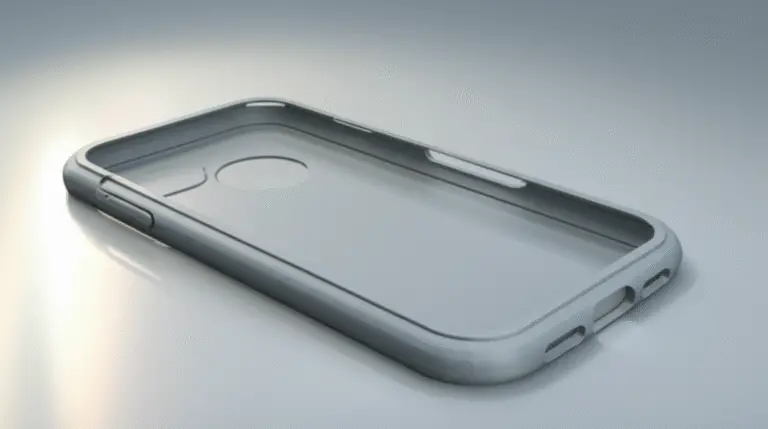
- Start Small: Don’t attempt a full dress on your first try. Begin with accessories like bracelets, phone cases, or small chainmail patches.
- Invest in Good Flexible Filament: Quality TPU makes a huge difference. Brands like NinjaTek NinjaFlex, Filaflex, or MatterHackers Pro Series TPU are excellent choices.
- Optimize Your Printer: Ensure your printer is well-calibrated and preferably has a direct-drive extruder for easier TPU printing. Check out our 3D Printer Reviews for recommendations.
- Join the Community: Share your struggles and successes! Our forums and social media groups are full of experienced makers willing to help.
The journey into 3D printed fashion is an exciting one, full of creative potential and technical challenges. But as the creator in the featured video demonstrates, with perseverance, you can create items that are truly wearable out in public!
👉 Shop Recommended Flexible Filaments:
- NinjaTek NinjaFlex TPU: Amazon | NinjaTek Official
- MatterHackers Pro Series TPU: Amazon | MatterHackers Official
Conclusion

So, what have we learned on this wild ride through the world of 3D printed clothes? From the early days of stiff, plastic “armor” to the sleek, flexible, and even smart garments of today, 3D printing is reshaping fashion in ways that blend art, technology, and sustainability. Whether it’s the intricate kinematic petal dresses or the custom-fit 3D printed sneakers, the future is wearable, personalized, and eco-friendly.
The Positives
- Unmatched Customization: Perfect fits tailored to your exact body measurements.
- Sustainability: Dramatic reduction in waste and the rise of recycled and bio-based materials.
- Innovation: Multi-material and 4D printing open new horizons for adaptive and smart clothing.
- Accessibility: Desktop printers and flexible filaments now allow hobbyists to create wearable pieces at home.
The Challenges
- Print Time: Complex garments can take hundreds of hours to print.
- Material Limitations: Comfort and durability vary widely depending on filament choice.
- Cost: High-end 3D printed fashion remains a luxury due to design and production complexity.
- Technical Skill: Designing and printing wearable items requires knowledge of 3D modeling and printer tuning.
But here’s the kicker: the fit is everything. As we saw from our community and industry experts alike, no matter how cool your design, if it doesn’t fit perfectly, it won’t be wearable. That’s why the integration of 3D body scanning and parametric design software is so crucial—it’s the key to unlocking truly personalized fashion.
If you’re an enthusiast ready to dip your toes into this brave new world, start small, invest in quality flexible filaments like NinjaTek NinjaFlex, and embrace the learning curve. The future of fashion is not just digital—it’s printed, personalized, and sustainable.
Ready to wear the future? We’re already printing ours.
Recommended Links
Looking to dive deeper or start your own 3D printed wardrobe? Check out these essential resources and gear:
-
NinjaTek NinjaFlex TPU Filament:
Amazon | NinjaTek Official Website -
Bambu Lab X1-Carbon 3D Printer:
Amazon | Bambu Lab Official -
Creality Ender 3 V3 SE 3D Printer:
Amazon | Creality Official -
Recreus Recycled TPU Filament:
Amazon | Recreus Official -
Stratasys J850 TechStyle™ 3D Printer (Industrial Fashion Printing):
Stratasys Official -
Books to Explore:
FAQ

What materials are best for 3D printing clothes?
Thermoplastic Polyurethane (TPU) is currently the top choice for 3D printed garments due to its flexibility, durability, and skin-friendly properties. Brands like NinjaTek NinjaFlex and Filaflex offer excellent TPU filaments that balance stretch and strength. For intricate details and accessories, resin-based SLA printing with flexible resins can produce delicate lace-like structures, though these materials may be less durable for everyday wear.
How comfortable are 3D printed clothes?
Comfort varies widely depending on design and material. Solid, rigid prints are generally uncomfortable, but flexible lattice or chainmail-inspired patterns printed with TPU can be surprisingly breathable and flexible. Proper design for ventilation and fit is crucial. Many makers recommend lining 3D printed garments with soft fabric to avoid skin irritation, especially when using resin prints.
How long does it take to 3D print a piece of clothing?
Print times range dramatically. Small accessories can take a few hours, while full garments like dresses or jackets can require hundreds of hours on industrial printers. For example, a flexible corset took our team 72 hours to print, while complex kinematic dresses can exceed 300 hours. Post-processing adds additional time.
Can 3D printed clothes be customized for fit and style?
Absolutely! One of the biggest advantages of 3D printed fashion is personalization. Using 3D body scanning and parametric design software, garments can be tailored to exact measurements, ensuring a perfect fit. Styles can be customized digitally before printing, allowing for unique patterns, textures, and colors.
What are the environmental benefits of 3D printed clothing?
3D printing reduces fabric waste by up to 95% compared to traditional cut-and-sew methods. On-demand production eliminates overstock and reduces shipping emissions by enabling local manufacturing. Additionally, recycled and bio-based filaments promote circularity and reduce reliance on virgin materials, helping to combat the fashion industry’s massive environmental footprint.
How durable are 3D printed garments?
Durability depends on material and design. TPU prints offer good flexibility and wear resistance, suitable for accessories and some garments. Resin prints provide high detail but can be brittle and less suitable for everyday wear. Multi-material prints with industrial machines can combine durability with flexibility. Proper design to avoid stress concentrations improves longevity.
What are the latest trends in 3D printed fashion design?
Current trends include:
- Kinematic petal dresses with interlocking moving parts.
- Custom 3D printed footwear with lattice midsoles.
- Bio-printed sustainable fabrics from mycelium or algae.
- Direct-to-fabric 3D printing (3DFashion™).
- Smart wearables with embedded electronics.
- 4D printed shape-shifting garments that adapt to environment.
- Modular snap-together clothing for customization and repair.
These trends reflect a convergence of creativity, technology, and sustainability.
Reference Links
- Stratasys 3DFashion™ Technology | 3D Printing In Fashion
- Iris van Herpen Official Website
- Danit Peleg Official Website
- Materialise Fashion Industry Solutions
- FashionUnited: The Future of Fashion is Here
- NinjaTek Official Website
- Recreus Official Website
- Bambu Lab Official Website
- Creality Official Website
Ready to explore more about 3D printed fashion and start your own projects? Check out our 3D Printable Objects and 3D Design Software categories for inspiration and tools!