Support our educational content for free when you purchase through links on our site. Learn more
🧵 3D Printing in Fashion Design: The Future is Woven (2026)


3D printing in fashion design has already shattered the mold of traditional manufacturing, proving that the most avant-garde garments can be created with zero fabric waste and infinite customization. No longer just a niche for sci-fi runways, this technology is rapidly evolving into a practical tool for sustainable, on-demand production that fits your exact body shape.
Imagine a world where you scan your feet, download a file, and print a pair of shoes that perfectly match your arch and gait, all while eliminating the carbon footprint of global shipping. This isn’t a distant dream; it’s the reality happening right now in labs and studios from Paris to New York.
Did you know that the fashion industry generates over 92 million tonnes of textile waste annually? 3D printing offers a radical solution by using only the exact amount of material needed, effectively turning the “cut and sew” model into a “print and wear” revolution.
From Iris van Herpen’s crystalline gowns to Adidas’ 4D-printed midsoles, the fusion of code and cloth is redefining what it means to be dressed. But how do we move from rigid sculptures to comfortable, washable everyday wear?
Key Takeaways
- Sustainability First: 3D printing drastically reduces textile waste by using additive manufacturing instead of subtractive cutting, addressing the industry’s massive environmental footprint.
- Hyper-Customization: The technology enables mass customization, allowing garments and footwear to be printed to the exact measurements of the wearer for a perfect fit.
- Material Evolution: The shift from rigid plastics to flexible TPU and biodegradable resins is making 3D printed fashion increasingly wearable and comfortable.
- Supply Chain Disruption: On-demand production models are emerging, potentially eliminating the need for massive inventory and reducing the carbon cost of global logistics.
Table of Contents
- ⚡️ Quick Tips and Facts
- 🧵 From Runway to Reality: A Brief History of 3D Printing in Fashion
- 🛠️ The Tech Stack: Understanding Additive Manufacturing for Designers
- 👗 3D Printed Garments: Breaking the Mold of Traditional Textiles
- 👠 3D Printed Footwear: Where Comfort Mets Customization
- 💍 3D Printed Jewelry: Precision, Artistry, and Wearable Tech
- 🎨 3D Printed Accessories: From Handbags to Sunglasses
- 🏭 Revolutionizing the Supply Chain: On-Demand Production and Zero Waste
- 🌍 Sustainability in Style: How 3D Printing Tackles Fast Fashion
- 👩 🎨 Designing for the Future: Software, Materials, and Workflow
- 🏆 Top Brands and Designers Leading the 3D Fashion Revolution
- 🚀 Future Horizons: Bioprinting, Smart Fabrics, and Mass Customization
- 🤔 So Where Are We Seeing This Merging of Craftsmanship and Technology?
- 🏁 Conclusion
- 🔗 Recommended Links
- ❓ Frequently Asked Questions (FAQs)
- 📚 Reference Links
⚡️ Quick Tips and Facts
Before we dive headfirst into the world of polymers and haute couture, let’s hit the pause button and drop some hard truths that every aspiring 3D fashion designer needs to know. We’ve seen too many people buy a printer, print a rigid dress, and then wonder why they can’t walk through a door. Spoiler alert: rigid plastic does not drape.
Here is the lowdown from our workshop to yours:
- Material Matters Most: You can’t just print anything in PLA. For fashion, you need flexible filaments like TPU (Thermoplastic Polyurethane) or specialized flexible resins. If it snaps when you bend it, it’s not a garment; it’s a sculpture.
- The “Zero Waste” Myth: While 3D printing is additive and reduces fabric off-cuts, it’s not magic. Support structures, failed prints, and energy consumption still exist. However, it’s a massive leap forward from the 92 million tonnes of textile waste the industry generates annually.
- Speed vs. Detail: High-fashion 3D prints often take days to complete due to the intricate lattice structures required for flexibility. It’s not for fast fashion; it’s for slow, deliberate art.
- Post-Processing is Key: A raw 3D print often looks… well, raw. Sanding, dyeing, and heat treatment are often necessary to make a piece wearable and comfortable against the skin.
- Design Software is the Real Engine: You can’t just model a dress in a standard CAD tool. You need software that understands topology optimization and kinematics (how the fabric moves).
Fun Fact: The first 3D printed dress worn on a runway was created by Iris van Herpen in 2010, but the technology has evolved so rapidly that we are now seeing biodegradable and self-healing fabrics in the lab.
For more on the basics of what you can actually print, check out our guide on 3D Printable Objects. And if you want to see how this tech is reshaping other industries, take a peek at our 3D Printing in Architecture section.
🧵 From Runway to Reality: A Brief History of 3D Printing in Fashion

You might think 3D printing in fashion is a 2020s phenomenon, but the roots go back deeper than you’d expect. It started not in a textile factory, but in the labs of Stratasys and EOS in the late 80s and early 90s. However, the fashion world was slow to catch on.
The Early Days: Sculpture Over Wearability
In the early 20s, 3D printed fashion was mostly avant-garde sculpture. Designers like Iris van Herpen and Francis Bitonti were the pioneers. They weren’t trying to make a t-shirt you could wash; they were trying to break the laws of physics.
- 2010: Iris van Herpen collaborates with architect Daniel Widrig to create the “Crystallization” collection. It was rigid, stunning, and completely unwearable for a normal day at the office.
- 2013: Adidas starts experimenting with 3D printed midsoles, signaling the first major move from “art” to “function.”
- 2016: The Nike Flyprint is introduced, a 3D printed textile upper for athletes. This was the moment the industry realized: Wait, this could actually be useful.
Why the delay? Early printers were too slow, and materials were too brittle. It took the development of flexible filaments and high-speed resin printing to make garments that could actually move with the human body.
As we discussed in our 3D Printed overview, the transition from “cool prop” to “wearable tech” required a marriage of material science and generative design.
🛠️ The Tech Stack: Understanding Additive Manufacturing for Designers
So, you want to print a dress? You can’t just use any old FDM printer you found in a garage sale. The technology stack for fashion is a beast of its own. Let’s break down the hardware and software you actually need.
Hardware: Beyond the Standard FDM
While FDM (Fused Deposition Modeling) is great for protyping, high-end fashion often relies on SLA (Stereolithography) or SLS (Selective Laser Sintering).
| Technology | Best For | Pros | Cons |
|---|---|---|---|
| FDM (with TPU) | Protypes, accessories, shoes | Affordable, flexible materials available | Visible layer lines, slower for fine details |
| SLA (Resin) | Jewelry, intricate textures, high detail | Smooth finish, incredible detail | Britle (unless using flexible resin), toxic fumes |
| SLS (Nylon Powder) | Functional garments, complex lattices | No supports needed, strong, flexible | Expensive machines, powder handling required |
| Binder Jeting | Full-color textiles, large scale | Can print on fabric, full color | Still emerging, limited material strength |
Pro Tip: If you are a hobbyist, stick to FDM with TPU. It’s the most accessible way to learn the ropes of flexible printing. For professional designers, SLS is the gold standard for wearable garments because it allows for complex, interlocking structures without support material.
Software: Where the Magic Happens
You can’t design a 3D printed dress in Microsoft Paint. You need tools that handle parametric design and simulation.
- Rhino 3D + Grasshopper: The industry standard for parametric modeling. It allows you to create algorithms that generate complex patterns based on body scans.
- Blender: Great for organic shapes and visualizing the final look, though less precise for engineering.
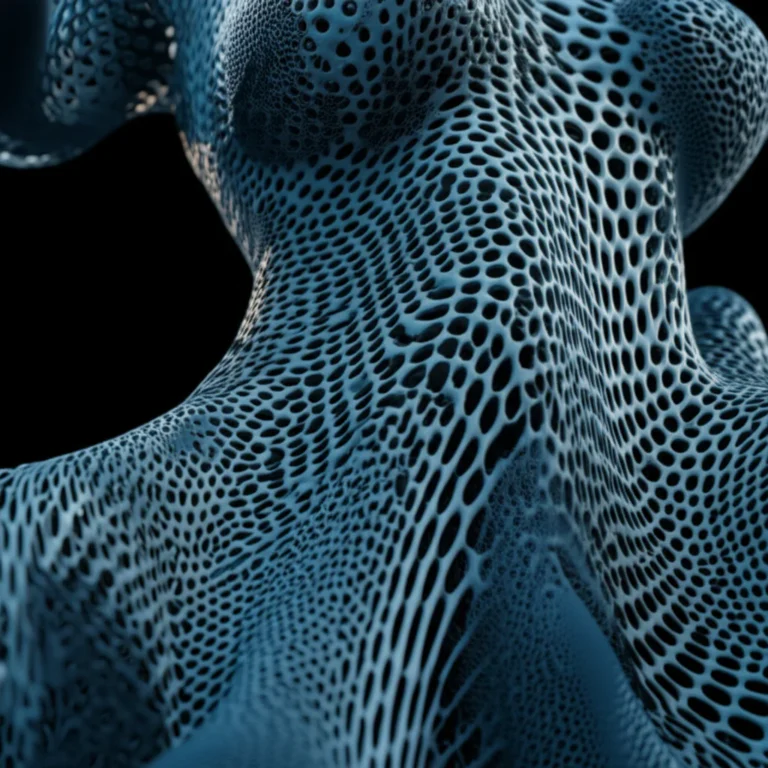
- nTopology: A powerhouse for creating lattice structures that mimic natural tissues or fabrics.
- CLO3D: Specifically for fashion, it allows you to simulate how 3D printed fabrics will drape and move before you even print them.
For a deep dive into the tools of the trade, explore our 3D Design Software category.
👗 3D Printed Garments: Breaking the Mold of Traditional Textiles
This is where it gets weird. And by weird, we mean amazing. Traditional textiles are woven or knitted. 3D printed “textiles” are often single-piece structures with varying densities, mimicking the behavior of fabric but with the strength of plastic.
The Challenge of Flexibility
The biggest hurdle? Drape. A 3D printed dress that stands up like a cardboard box is useless. Designers solve this by creating hinge-like structures or lattice patterns that allow the material to bend.
- The “Chainmail” Effect: Many designers use interlocking rings printed as a single piece. This creates a fabric that flows like metal chainmail but is lightweight.
- Variable Infill: By changing the infill density in different parts of the garment, you can make the shoulders rigid for structure and the skirt flexible for movement.
Real-World Example: The “Vox” Dress
Iris van Herpen’s work often features these techniques. Her “Vox” dress used 3D printed elements that mimicked the movement of water. It wasn’t just a dress; it was a kinetic sculpture.
Curiosity Gap: But how do you wash a 3D printed dress? Can you throw it in the washing machine? We’ll get to the maintenance and care section later, but the short answer is: Don’t. Most 3D printed garments are hand-washed or spot-cleaned, and some are strictly “dry clean only” or even “do not touch with water.”
👠 3D Printed Footwear: Where Comfort Mets Customization
If there is one area where 3D printing has truly taken over the fashion industry, it’s footwear. Why? Because shoes are structural. They need to support weight, absorb shock, and fit perfectly. 3D printing does all three better than traditional molding.
The Midsole Revolution
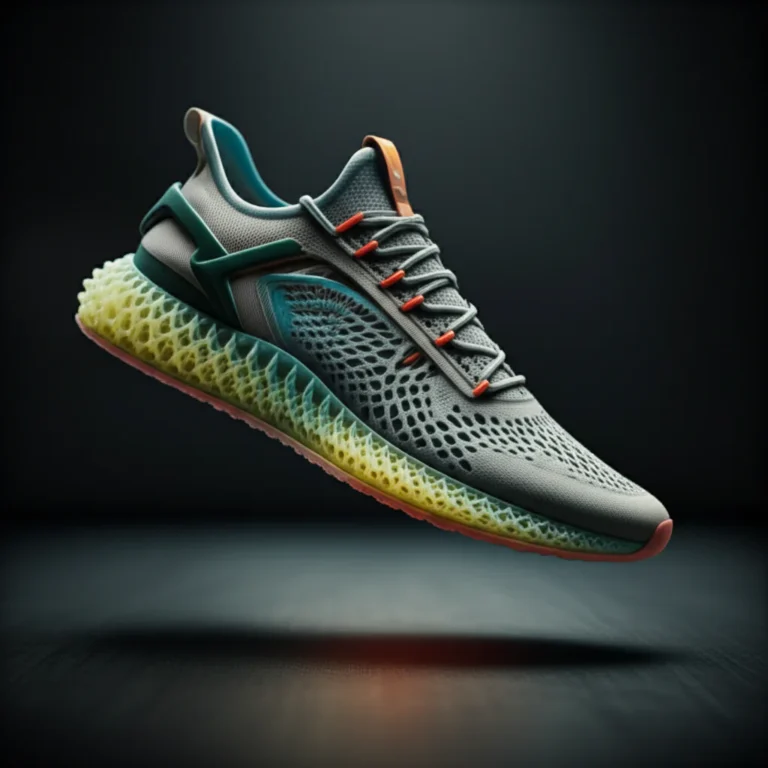
Brands like Adidas and New Balance have revolutionized the midsole. Instead of cutting foam blocks, they print a lattice structure that can be tuned for energy return and cushioning.
- Adidas Futurecraft 4D: Uses a digital light synthesis process to print the midsole. The result? A shoe that is lighter, more durable, and customizable to the runner’s gait.
- Nike Flyprint: A 3D printed textile upper that reduces weight by 1% compared to traditional materials.
Customization at Scale
Imagine scanning your foot and printing a shoe that fits your exact arch and pressure points. No more blisters. No more “breaking in” periods. This is the future of mass customization.
👉 CHECK PRICE on:
- Adidas Futurecraft 4D: Adidas Official | Amazon
- Nike Flyprint: Nike Official | Foot Locker
💍 3D Printed Jewelry: Precision, Artistry, and Wearable Tech
Jewelry was the first application of 3D printing in fashion. Why? Because it’s small, detailed, and doesn’t need to flex much.
Lost Wax Casting vs. Direct Printing
Traditionally, 3D printing was used to create a master model for lost-wax casting. But now, with high-resolution SLA printers and metal sintering, we can print the final piece directly.
- Intricate Lattices: You can create geometric patterns that are impossible to cast by hand.
- Material Variety: From gold-plated resins to titanium and stainless steel.
Brands Leading the Charge
- Shapeways: A marketplace where designers sell 3D printed jewelry.
- Mendel: Known for their 3D printed engagement rings.
👉 CHECK PRICE on:
- Shapeways Jewelry: Shapeways Official | Etsy
- Mendel Rings: Mendel Official
🎨 3D Printed Accessories: From Handbags to Sunglasses
It’s not just clothes and shoes. Accessories are the perfect testing ground for 3D printing.
- Handbags: Brands like Iris van Herpen and Danit Peleg have created bags with complex, interlocking structures that look like armor but are surprisingly light.
- Sunglasses: Moscot and Warby Parker have experimented with 3D printed frames that can be customized to the exact shape of your face.
- Belts and Buckles: These are easy to print and can be designed with moving parts that traditional manufacturing struggles to achieve.
Did you know? Some designers are now printing sensors directly into accessories, creating “smart” bags that can track your location or monitor your health.
🏭 Revolutionizing the Supply Chain: On-Demand Production and Zero Waste
The fashion industry is notorious for its waste. Designers order massive amounts of fabric, cut patterns, and throw away 15-20% of the material. 3D printing flips this script.
The On-Demand Model
Instead of manufacturing 10,0 units and hoping they sell, brands can print one unit at a time. This reduces inventory costs, eliminates overproduction, and allows for real-time design changes.
Decentralized Manufacturing
Imagine a world where you download a design file and print your dress at a local “print shop” or even at home. This reduces the carbon footprint of global shipping.
The Catch: While the material waste is lower, the energy consumption of 3D printers is high. We need to balance the benefits of on-demand production with the energy cost of printing.
🌍 Sustainability in Style: How 3D Printing Tackles Fast Fashion
Is 3D printing the savior of the fashion industry? Not entirely, but it’s a powerful tool.
Biodegradable Materials
Researchers are developing PLA blends and algae-based filaments that can decompose naturally. This is a massive step away from the petroleum-based plastics that currently dominate the industry.
Recycling Old Prints
Some companies are now offering services to grind down old 3D printed garments and recycle the material into new filament. It’s a closed-loop system that could redefine sustainability.
The Reality Check: While 3D printing reduces fabric waste, the energy cost of printing a single dress can be higher than sewing one. The key is to use renewable energy and recycled materials.
👩 🎨 Designing for the Future: Software, Materials, and Workflow
So, how do you actually get started? Here is a step-by-step workflow for designing your first 3D printed garment.
Step 1: Body Scanning
You need accurate measurements. Use a 3D body scanner or even a smartphone app like Polycam to get a digital model of the body.
Step 2: Parametric Modeling
Use Grasshopper or nTopology to create a pattern that adapts to the body scan. This ensures the garment fits perfectly.
Step 3: Simulation
Run a physics simulation to see how the garment will move. Will it rip? Will it drape correctly?
Step 4: Material Selection
Choose the right filament. TPU for flexibility, Nylon for strength, Resin for detail.
Step 5: Printing and Post-Processing
Print the garment. Then, sand, dye, and assemble.
Pro Tip: Always start with a small prototype. Don’t try to print a full dress on your first try. Print a sleeve or a section to test the flexibility.
🏆 Top Brands and Designers Leading the 3D Fashion Revolution
Who are the kings and queens of this new world?
- Iris van Herpen: The undisputed queen of 3D printed haute couture. Her work is a blend of art, science, and fashion.
- Adidas: Leading the charge in sportswear with the Futurecraft line.
- Nike: Innovating with the Flyprint textile.
- Danit Peleg: A designer who proved that 3D printed fashion can be accessible. She released a collection that anyone could download and print at home.
- Cubiculus: A brand focusing on 3D printed jewelry and accessories.
👉 CHECK PRICE on:
- Iris van Herpen Collections: Iris van Herpen Official
- Danit Peleg Collection: Danit Peleg Official
🚀 Future Horizons: Bioprinting, Smart Fabrics, and Mass Customization
What’s next? The future is bioprinting. Imagine printing a dress using living cells that can grow and heal. Or smart fabrics that change color based on your mood.
Bioprinting
Researchers are working on printing skin-like materials that can be used for clothing. This could lead to garments that are truly biodegradable and even self-repairing.
Smart Fabrics
Integrating sensors and LEDs directly into the fabric. Imagine a dress that lights up when you dance or changes color based on the temperature.
Mass Customization
The ultimate goal: Every garment is unique. No more “one size fits all.” Every piece is printed to fit your body perfectly.
The Question: Will we ever see a 3D printed dress in a department store? Maybe. But for now, it’s still a niche for the avant-garde and the tech-savy.
🤔 So Where Are We Seeing This Merging of Craftsmanship and Technology?
We’ve talked about the tech, the materials, and the brands. But where does the human element fit in?
As Iris van Herpen said, “You have traditional houses that focus on craftsmanship, and then you have people who are into technology, but I don’t really see that they have to be apart. I see them as equal, and I actually think that they can complement each other.”
The future of fashion isn’t about replacing the human hand; it’s about augmenting it. 3D printing allows designers to create things that were previously impossible, but it still requires the eye of a designer to make it beautiful.
In the video we mentioned earlier, the creator notes: “3D printing allows us to experiment with complex geometries and structures that were previously impossible to achieve.” This is the heart of the movement. It’s not just about printing; it’s about reimagining what fashion can be.
🏁 Conclusion

We’ve journeyed from the early days of rigid sculptures to the current era of flexible, wearable 3D printed garments. The technology is no longer a gimmick; it’s a legitimate tool for designers, athletes, and artists.
The Verdict:
- For Designers: 3D printing offers unlimited creativity and the ability to create custom-fit garments.
- For Consumers: It promises sustainability and personalization, but at a higher cost and with limited durability compared to traditional fabrics.
- For the Industry: It’s a game-changer for supply chains, reducing waste and enabling on-demand production.
Our Recommendation:
If you are a designer, start experimenting now. Don’t wait for the technology to be perfect. The best designs come from pushing the boundaries. If you are a consumer, look for 3D printed accessories and footwear first. They are the most mature applications.
Final Thought:
The future of fashion is not just about what wear, but how we make it. 3D printing is the bridge between the art of design and the science of engineering. And that, my friends, is a beautiful thing.
🔗 Recommended Links
- Books:
- 3D Printing in Fashion: The Future of Design
- The Art of 3D Printing
- Brands & Products:
Adidas Futurecraft: Adidas Official | Amazon
Nike Flyprint: Nike Official
Iris van Herpen: Iris van Herpen Official
Shapeways Jewelry: Shapeways Official
Danit Peleg Collection: Danit Peleg Official
❓ Frequently Asked Questions (FAQs)

Is 3D printing cost-effective for fashion designers?
H4: The Cost-Benefit Analysis
For high-end, custom pieces, yes. The cost of materials and machine time is high, but the ability to create unique, waste-free designs justifies the price. For mass production, it’s currently not cost-effective compared to traditional sewing. However, as printer speeds increase and material costs drop, this is changing.
What are some popular 3D printed fashion accessories?
H4: Beyond the Runway
Jewelry is the most popular, followed by sunglasses, belts, and handbags. These items are small, require less material, and can be printed with high detail.
Read more about “💸 17 Profitable 3D Printing Ideas to Make Money (2026)”
How do designers incorporate 3D printing into their collections?
H4: The Workflow
Designers often use 3D printing for protyping, accessories, and structural elements (like corsetry). They combine 3D printed parts with traditional fabrics to create hybrid garments.
What are the benefits of using 3D printing in fashion design?
H4: Why Bother?
- Customization: Perfect fit for every body type.
- Sustainability: Reduced waste and on-demand production.
- Complexity: Ability to create intricate geometries impossible with traditional methods.
- Speed: Rapid protyping and faster time-to-market.
Read more about “Direct-to-Textile 3D Printing: 7 Game-Changing Innovations in 2026 🎨”
Can 3D printing be used to create wearable clothing?
H4: Yes, but with caveats
Yes, but it requires flexible materials and smart design. Rigid prints are not wearable. Designers use lattice structures and hinges to make the fabric flexible.
Read more about “12 Mind-Blowing 3D Printed Clothes Trends You Need to See in 2026 👗”
What are the best materials for 3D printing in fashion?
H4: Material Matters
- TPU (Thermoplastic Polyurethane): Best for flexible garments.
- Nylon (PA12): Strong and durable, great for SLS printing.
- Flexible Resins: For high-detail jewelry and accessories.
- Biodegradable PLA: For sustainable, short-term use items.
Read more about “What Is the Meaning of 3D Printed? Unveiling the Magic in 2026 🛠️”
How is 3D printing transforming fashion design?
H4: A Paradigm Shift
It’s shifting the industry from mass production to mass customization. It’s also enabling decentralized manufacturing and sustainable practices.
Read more about “How Much Money Can You Make 3D Printing? 14+ Ways to Profit in 2025 💸”
What are the best 3D printing materials for fashion accessories?
H4: Top Picks
Resin for jewelry, TPU for flexible accessories, and Nylon for durable items like belts and buckles.
Read more about “What Does a 3D Printer Stand For? Unveiling the Magic of 3D Printing (2025) 🎉”
How does 3D printing reduce waste in the fashion industry?
H4: The Zero-Waste Dream
By using additive manufacturing, printers only use the exact amount of material needed. This eliminates the fabric off-cuts that traditional sewing generates.
Read more about “🚀 Consumer 3D Printing Market 2026: The Ultimate Guide”
Can 3D printed garments be worn comfortably every day?
H4: Comfort vs. Art
Currently, most 3D printed garments are not suitable for daily wear due to stiffness and lack of breathability. However, advancements in flexible materials are making them more comfortable.
What software is used to design 3D printed clothing?
H4: The Digital Toolkit
Rhino 3D, Grasshopper, Blender, nTopology, and CLO3D are the top choices for designing 3D printed fashion.
How much does it cost to 3D print a custom dress?
H4: The Price Tag
Costs vary wildly. A simple prototype might cost $50-$10 in materials, but a high-end, custom-designed dress can cost thousands due to machine time, labor, and post-processing.
Are 3D printed shoes durable enough for daily use?
H4: Durability Check
Yes, especially midsoles made from TPU or Nylon. Brands like Adidas and Nike have proven that 3D printed shoes can withstand daily wear and tear.
Read more about “What Are the 12 Most Common 3D Printing Uses in 2025? 🚀”
What are the latest trends in 3D printed haute couture?
H4: The Cutting Edge
- Bioprinting: Using living cells for garments.
- Smart Fabrics: Integrating sensors and LEDs.
- Sustainable Materials: Using algae-based and recycled filaments.
- Hybrid Designs: Combining 3D printed elements with traditional textiles.
📚 Reference Links
- The application of 3D printing technology in the fashion industry: Taylor & Francis
- Iris van Herpen Official Website: Iris van Herpen
- Adidas Futurecraft: Adidas
- Nike Flyprint: Nike
- Shapeways: Shapeways
- Danit Peleg: Danit Peleg
- Creality: Creality
- Sculpteo: Sculpteo
- 3D Printed™: 3D Printed