Support our educational content for free when you purchase through links on our site. Learn more
What Are the Cost Trends in 3D Printing? 📉


What are the cost trends in 3D printing technology? The short answer: desktop printers and common materials have become more accessible, while the real cost of a part still depends on more than the machine—think design, print time, labor, failed prints, and finishing. 3D printing is often cost-effective for prototypes, custom parts, and low-volume production, but it doesn’t automatically beat conventional manufacturing for every job.
We learned that lesson the hands-on way: a small bracket can look nearly free in the slicer, then demand extra material for supports, a couple of test prints, and a bit of cleanup. The useful number isn’t just filament or resin consumed; it’s the total cost of a finished, usable part.
For broader context, explore our 3D printing statistics. Below, we break down how printer prices, materials, operating costs, and production methods are changing—and where those trends matter most.
Key Takeaways
- The cost of entry has fallen: More capable desktop printers have made in-house protyping and small-batch printing accessible to more people.
- Part cost is bigger than material cost: Labor, electricity, maintenance, post-processing, and failed prints all affect the final bill.
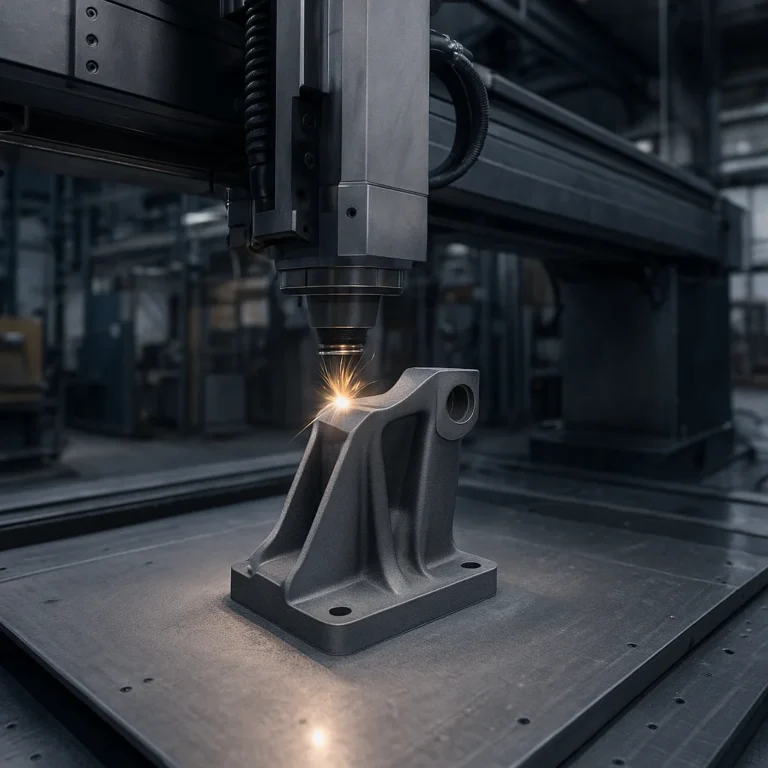
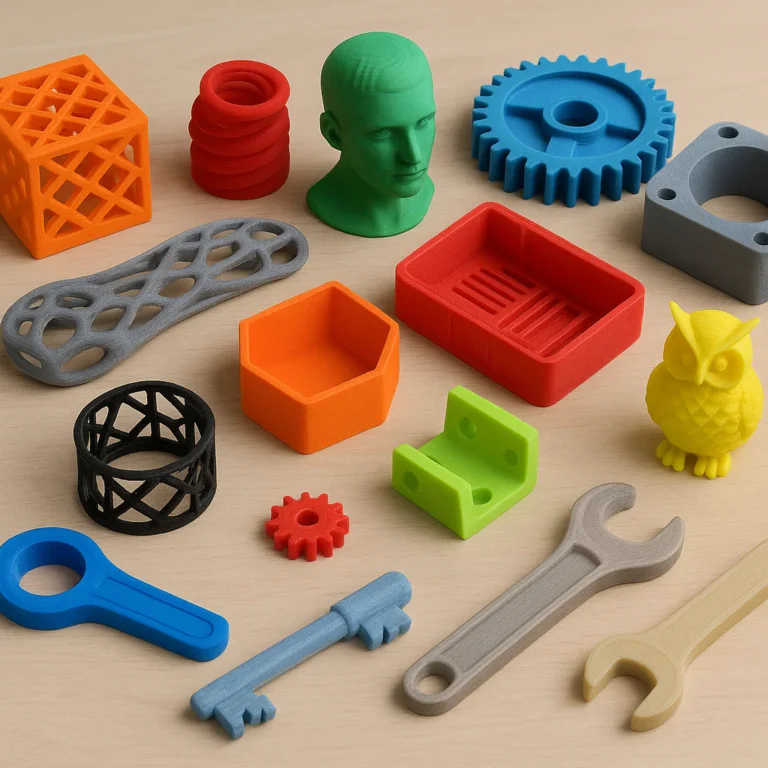
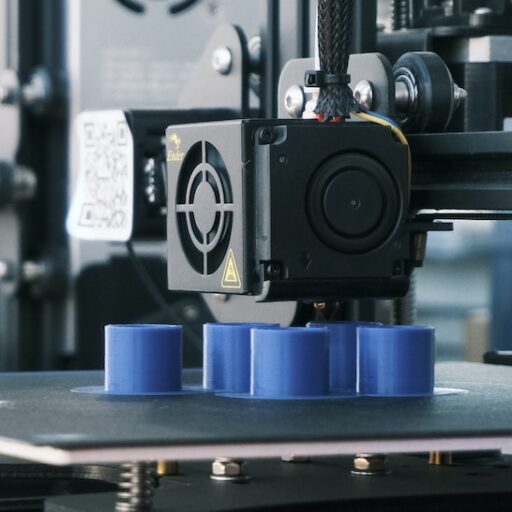
- Different technologies suit different jobs: FDM is often economical for functional prototypes; resin excels at fine detail; industrial powder-bed and metal processes can justify higher costs for specialized parts.
- 3D printing shines when customization matters: It can avoid tooling costs and make complex, low-volume parts practical, but mass-produced simple items may still cost less through traditional manufacturing.
- The smartest comparison is total cost per usable part: Include setup, finishing, and production volume—not just a printer’s purchase price or the slicer’s material estimate.
Table of Contents
- ⚡️ Quick Tips and Facts
- 📈 What Are the Cost Trends in 3D Printing Technology?
- 🕰️ How 3D Printing Costs Have Changed Over Time
- 💸 What Drives 3D Printing Costs?
- Printer purchase price and ownership costs
- Filament, resin, and industrial material costs
- Energy, labor, maintenance, and failed prints
- Software, design, and post-processing
- 🖨️ 3D Printer Cost Trends by Technology
- FDM and FF: filament printing
- SLA and MSLA: resin printing
- SLS, MJF, and other powder-bed technologies
- Metal 3D printing: DMLS, SLM, and binder jeting
- 📊 Comparing the Total Cost of Ownership
- Desktop 3D printing versus industrial systems
- 3D printing versus CNC machining and injection molding
- In-house printing versus on-demand 3D printing services
- 🧮 How to Estimate the Cost of a 3D-Printed Part
- 🏭 Cost Trends in 3D Printing by Industry
- Prototyping, product development, and manufacturing
- Healthcare, dental, and medical devices
- Aerospace, automotive, and energy
- Education, hobby printing, and small businesses
- 🔎 What’s Getting Cheaper—and What Still Costs More?
- 🌍 Supply Chains, Material Availability, and Sustainability Costs
- 🔮 The Future of 3D Printing Costs
- Automation, faster printers, and lower labor costs
- New materials and metal additive manufacturing
- AI, software, and design-for-additive-manufacturing
- 💡 How to Reduce 3D Printing Costs Without Sacrificing Quality
- 🔍 Comparing 3D Printing Quotes and Service Bureau Fees
- 🛡️ Cost Data, Market Reports, and Reliable Industry Sources
- ✅ Conclusion
- 🔗 Recommended Links
- ❓ FAQ
- 📚 Reference Links
Table of Contents
- ⚡️ Quick Tips and Facts
- 📈 What Are the Cost Trends in 3D Printing Technology?
- 🕰️ How 3D Printing Costs Have Changed Over Time
- 💸 What Drives 3D Printing Costs?
- Printer purchase price and ownership costs
- Filament, resin, and industrial material costs
- Energy, labor, maintenance, and failed prints
- Software, design, and post-processing
- 🖨️ 3D Printer Cost Trends by Technology
- FDM and FF: filament printing
- SLA and MSLA: resin printing
- SLS, MJF, and other powder-bed technologies
- Metal 3D printing: DMLS, SLM, and binder jeting
- 📊 Comparing the Total Cost of Ownership
- Desktop 3D printing versus industrial systems
- 3D printing versus CNC machining and injection molding
- In-house printing versus on-demand 3D printing services
- 🧮 How to Estimate the Cost of a 3D-Printed Part
- 🏭 Cost Trends in 3D Printing by Industry
- Prototyping, product development, and manufacturing
- Healthcare, dental, and medical devices
- Aerospace, automotive, and energy
- Education, hobby printing, and small businesses
- 🔎 What’s Getting Cheaper—and What Still Costs More?
- 🌍 Supply Chains, Material Availability, and Sustainability Costs
- 🔮 The Future of 3D Printing Costs
- Automation, faster printers, and lower labor costs
- New materials and metal additive manufacturing
- AI, software, and design for additive manufacturing
- 💡 How to Reduce 3D Printing Costs Without Sacrificing Quality
- 🔍 Comparing 3D Printing Quotes and Service Bureau Fees
- 🛡️ Cost Data, Market Reports, and Reliable Industry Sources
- ✅ Conclusion
- 🔗 Recommended Links
- ❓ FAQ
- 📚 Reference Links