Support our educational content for free when you purchase through links on our site. Learn more
30 D Printed Gifts That Feel Made Just for Them 🎁

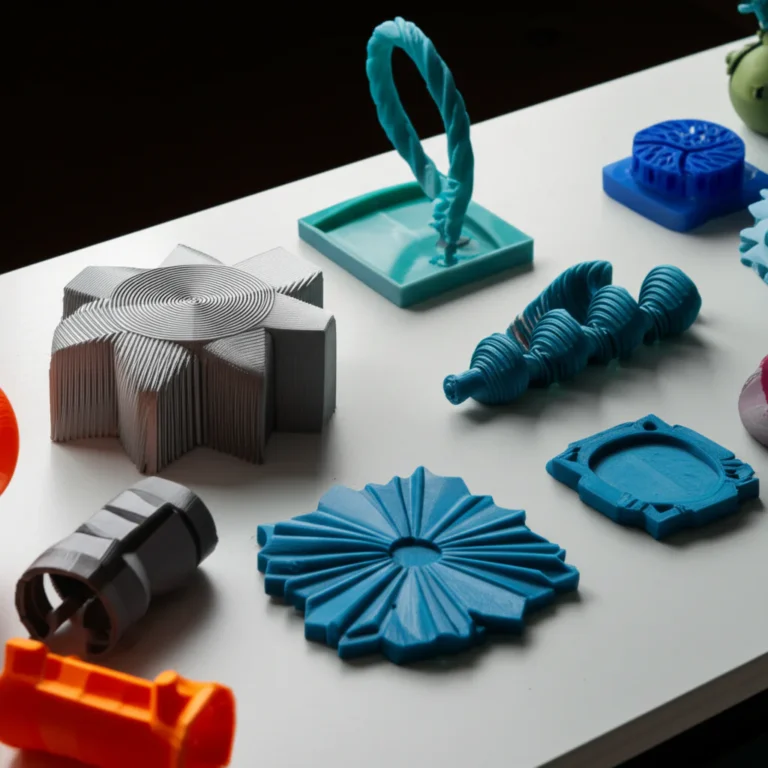
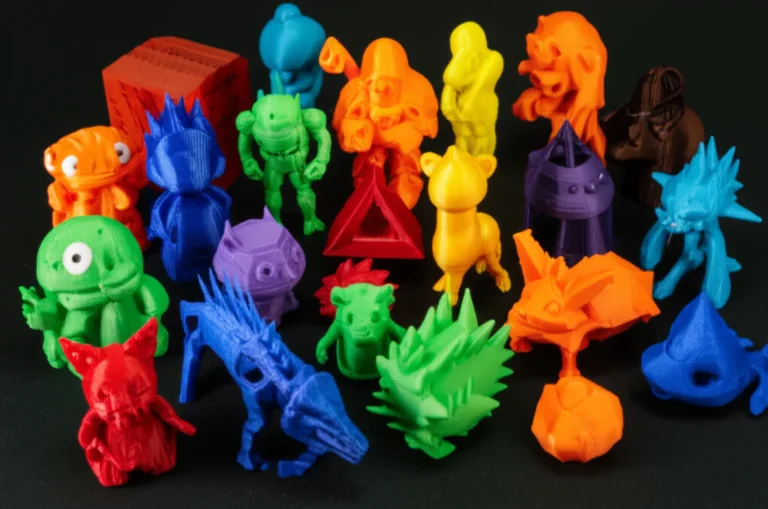
The best D printed gifts are personal, useful, and suited to the person receiving them—not just impressive because they came off a 3D printer. A custom phone stand, a lithophane of a favorite photo, or a tidy little cable clip can turn an everyday object into a keepsake.
We’ve learned that the most-loved prints often solve tiny, familiar problems. One well-measured desk organizer can beat a much flashier model if it finally gives those runaway charging cables a home.
From personalized presents to thoughtful picks for printer owners, these 30 3D printed gift ideas cover what to print, how to choose a material, and what to check before you wrap it. Just remember: a downloadable model isn’t automatically licensed for resale, and a food-shaped print isn’t automatically food-safe.
Key Takeaways
- Choose for the recipient: Match the gift to their hobbies, home, or everyday annoyances.
- Personalize with purpose: Names, dates, favorite colors, and custom dimensions make prints feel thoughtful.
- Match material to use: PLA suits many indoor decorative prints; PETG or TPU may better for some functional designs.
- Check before printing or buying: Confirm dimensions, printer compatibility, safety, finish, and model licensing.
- Allow time for finishing: Test-fit parts, remove rough edges, and leave room for a reprint if the first attempt goes sideways.
Table of Contents
- ⚡️ Quick Tips and Facts About 3D Printed Gifts
- 🧵 How 3D Printing Turned Personalization Into the Perfect Gift
- 🎁 How to Choose the Right 3D Printed Gift
- Match the Gift to Their Interests and Experience
- Personalized, Practical, Decorative, or Just for Fun?
- Buying a Finished Print vs. Gifting a 3D Printer
- ✨ 30 Creative 3D Printed Gift Ideas
- Personalized 3D Printed Gifts
- Useful Gifts for Home, Office, and Everyday Carry
- Gifts for Gamers, Makers, and Pop-Culture Fans
- Jewelry, Keepsakes, and Custom Décor
- 3D Printed Gifts for Kids and Families
- 3D Printing Gifts for Hobbyists
- 🛠️ Gifts for 3D Printer Owners and Makers
- Printer Tools, Maintenance Kits, and Finishing Supplies
- Filament, Specialty Materials, and Storage
- Printer Upgrades, Build Plates, and Useful Accessories
- 3D Modeling Software, Courses, and Digital Model Libraries
- Maker-Space Comforts, Desk Décor, and 3D Printing Apparel
- 🛒 Where to Buy 3D Printed Gifts
- Online Marketplaces and Independent 3D Printing Shops
- Commissioning a Custom 3D Printed Gift
- Questions to Ask Before You Order
- 🎨 Designing and Making a Custom 3D Printed Gift
- Finding Print-Ready STL and 3D Model Files
- Personalizing a Model Without Starting From Scratch
- Choosing a Printing Material, Color, and Finish
- Making the Print More Durable and Gift-Ready
- ✅ Safety, Quality, and Intellectual Property Checks
- Are 3D Printed Gifts Food-Safe?
- Are 3D Printed Toys Safe for Children and Pets?
- Copyright, Trademarks, and Fan-Art Designs
- How to Spot a Quality 3D Print
- 📦 Packaging, Shipping, and Gift Presentation
- 💡 3D Printed Gift Ideas by Occasion
- Birthdays and Milestone Celebrations
- Weddings, Anniversaries, and Housewarmings
- Graduations, Holidays, and Thank-You Gifts
- ❓ Frequently Asked Questions About 3D Printed Gifts
- What are the best 3D printed gifts for someone who loves 3D printing?
- Can you 3D print a personalized gift?
- What are the best materials for a 3D printed gift?
- Are 3D printed gifts durable?
- Where can I find free 3D printable gift designs?
- How long does it take to make a 3D printed gift?
- 🔑 Key Takeaways for Choosing a Memorable 3D Printed Gift
- Conclusion
- Recommended Links
- Reference Links
⚡️ Quick Tips and Facts About 3D Printed Gifts
A great 3D printed gift doesn’t have to be complicated. The sweet spot is something personal, useful, and well-finished—not a 14-hour print that looks like it lost a fight with the nozzle. For more inspiration, browse our guide to 3D printed objects and the wider 3D Printable Objects collection.
| Quick fact | What it means for your gift |
|---|---|
| Personalization is the superpower | Add a name, date, initials, favorite color, or a design tied to the recipient’s hobby. |
| Material choice matters | PLA is easy to print and suits décor; PETG is a better pick for many functional items; flexible or specialty filaments need more planning. |
| Print time varies dramatically | A small keychain may take under an hour; a large lamp, articulated model, or multi-part organizer may take many hours. |
| Layer lines are normal | They’re part of the process, not automatically a defect. Clean seams, consistent layers, and a stable base matter more. |
| Food contact needs caution | A standard FDM print has layer grooves that can complicate cleaning. Don’t assume a printed cookie cutter, cup, or utensil is food-safe. |
| A clever design beats a giant one | A custom cable clip that solves a real annoyance may get more use than a huge decorative model. |
Fast gifting checklist:
- ✅ Ask what the recipient likes—or quietly inspect their desk, hobby shelf, or gaming setup.
- ✅ Choose a model with a clear license if you’re downloading or selling the print.
- ✅ Check the dimensions before printing. “Fits most phones” is not a measurement.
- ✅ Test-fit moving parts and assemblies before wrapping.
- ❌ Don’t print load-bearing, heat-exposed, or food-contact items without checking the material and design carefully.
- ✅ Add a handwritten note explaining why you chose the design. A little story makes a small print feel like a big deal.
🧵 How 3D Printing Turned Personalization Into the Perfect Gift
3D printing lets us turn a digital design into a physical object layer by layer. That means a gift can be custom-sized, personalized, made in a favorite color, or designed to solve a very specific little problem—like keeping a particular game controller from sliding off a shelf.
The technology is no longer confined to industrial protyping. The National Institute of Standards and Technology (NIST) describes additive manufacturing as building objects from digital models by adding material, a useful reminder that 3D printing is a family of processes—not one single machine or material.
The term “3D printed gift” can mean two different things:
- A gift made with a 3D printer, such as a personalized lithophane, headphone stand, or desk organizer.
- A gift for someone who owns a 3D printer, such as filament, tools, model files, or a printer upgrade.
Those are not interchangeable. A seasoned maker may already have three scrapers and a drawer full of filament samples, while someone new to the hobby might be thrilled by a beginner-friendly design course. The gift guide from Siraya Tech similarly frames the choice around the recipient’s experience and interests—a sensible principle, even if it doesn’t tell us what every particular recipient wants.
For a broad idea hunt, the first YouTube video presents 50 printable gift ideas, spanning toys, décor, organizers, and practical tools. Its presenter puts the appeal neatly: “what could better than a 3D printed gift, especially if you personalize it for them?” We agree—with one caveat: personalization should make the item more meaningful or useful, not merely add a name to something they’ll never use.
🎁 How to Choose the Right 3D Printed Gift
Before you choose a model, answer three questions: Who is it for? What will they do with it? And what needs to survive after it leaves the printer?
Match the Gift to Their Interests and Experience
Start with the person, not the printer.
| Recipient | Gift direction | Why it works |
|---|---|---|
| New maker | Simple print, starter tool, or beginner design course | Useful without overwhelming them with settings, upgrades, and acronyms |
| Experienced printer owner | Specialty filament, measuring tools, a useful upgrade, or a model-library membership | Helps extend an established hobby |
| Gamer | Controller stand, headset hanger, dice tower, or custom display | Easy to tailor to their setup and favorite games |
| Home cook | Drawer organizer, spice-label holder, or non-food-contact kitchen organizer | Functional, provided the print stays away from food and high heat |
| Desk worker | Cable clips, pen holder, phone stand, or personalized nameplate | Small, practical, and easy to match to a workspace |
| Child | Large, sturdy, age-appropriate toy or puzzle | A thoughtful choice only when small parts, sharp edges, and material safety are considered |
| Design enthusiast | Custom sculpture, geometric vase, or lithophane | Makes the design process itself part of the gift |
A practical anecdote from the workshop: a small cable guide can be a better present than an elaborate desk sculpture if it fixes the same cable that has fallen behind someone’s desk every morning for a year. Useful personalization is still personalization.
If the recipient is a beginner, avoid assuming that buying a printer is automatically the best choice. A printer also brings setup, maintenance, workspace, ventilation, and material decisions. Our 3D Printer Reviews can help compare machines, but a compact starter project or design resource may be a more thoughtful first step.
Personalized, Practical, Decorative, or Just for Fun?
Pick the gift’s job before you pick its shape.
| Gift type | Examples | Best for | Watch-outs |
|---|---|---|---|
| Personalized | Name tag, custom lithophane, engraved-style plaque | Birthdays, anniversaries, graduations | Confirm spelling, dates, and dimensions before printing |
| Practical | Cable holder, drawer divider, tool organizer | People who enjoy useful objects | Measure the real item or space it needs to fit |
| Decorative | Vase, sculpture, ornament, desk figure | Home décor and collectors | Check stability, finish, and whether the design suits their style |
| Playful | Fidget toy, puzzle, articulated creature | Kids and curious adults | Check for small parts, weak joints, and age suitability |
| Hobby-related | Board-game insert, model display base, printer tool | Enthusiasts | Check compatibility with their exact model or setup |
For home projects, explore 3D printing in architecture for scale models and design inspiration. For medical or assistive applications, see our 3D printing in healthcare category—but don’t treat a hobbyist print as a certified medical device.
Buying a Finished Print vs. Gifting a 3D Printer
| Option | Upsides | Drawbacks | Best fit |
|---|---|---|---|
| Finished custom print | Personal, ready to gift, no machine setup required | Quality depends on the seller; customization may be limited | Someone who wants the object, not the hobby |
| Printer supplies or tools | Practical and easy to pair with a card | Risk of buying a tool or filament they already own | A known printer owner |
| 3D printer | Opens up a creative hobby and many future projects | Requires setup, space, learning, and ongoing supplies | Someone who has clearly asked for one and has room for it |
If you’re buying a finished print, ask about the material, dimensions, finish, and whether the model is printed to order. If you’re gifting a printer, include a starter project and basic supplies; a machine without a spool is a bit like giving someone a guitar with no strings.
✨ 30 Creative 3D Printed Gift Ideas
These ideas range from quick prints to ambitious projects. Model sites such as Thingiverse, Printables, and MyMiniFactory are useful starting points. Always check the design’s license and the maker’s print instructions.
Personalized 3D Printed Gifts
- Custom name keychain — Fast to personalize and easy to print in contrasting colors.
- Lithophane photo panel — A photograph becomes a textured panel that reveals its image when backlit.
- Personalized desk nameplate — Add a name, job title, or playful motto.
- Custom map or location keepsake — Mark a first home, favorite trail, or memorable travel destination.
- Photo or logo cookie-cutter-style ornament — Keep it decorative unless you’ve verified food-contact suitability.
- Custom Christmas ornament — Add a year, family name, or small silhouette.
- Monogramed bookmark — A light, low-material gift for a reader.
- Personalized phone stand — Customize the name or shape, then check that the viewing angle suits the recipient.
Tip: Preview text in the slicer and print a small lettering test if the design uses fine fonts. Tiny raised text can turn into a plastic hedgehog if the lettering is too small.
Useful Gifts for Home, Office, and Everyday Carry
- Cable clips or cord labels — Particularly helpful for a desk with many chargers.
- Modular desk organizer — Customize compartments around pens, SD cards, or tools.
- Drawer dividers — Measure the drawer first; close enough is not close enough here.
- Phone or tablet stand — Add a charging-cable path and a stable base.
- Headphone hanger — A practical gift for a gaming or work setup.
- Battery organizer — Label compartments by battery type and polarity.
- Plant pot or propagation station — Add a drainage plan and use a material suited to the location.
- Entryway key hook — Secure the mounting points appropriately; don’t trust a delicate print to hold a heavy load.
- Board-game insert — Tailor compartments to a specific game and expansion set.
- Tool holder or wrench organizer — Useful for a maker’s bench when printed sturdy enough for the intended tools.
For inspiration beyond gifts, browse more 3D printable objects. The best functional prints often begin with an everyday annoyance: a loose remote, a tangled cable, a drawer that has become a cutlery-themed archaeological dig.
Gifts for Gamers, Makers, and Pop-Culture Fans
- Dice tower — A satisfying accessory for tabletop role-playing games.
- Controller stand — Check controller dimensions and charging-port placement.
- Miniature display base — Add a nameplate or scenic texture.
- Fidget spinner or articulated creature — Fun for a desk, with durability depending on joint design and print quality.
- Puzzle box — A gift and a challenge in the same package.
- Mini air cannon or mechanical toy — Follow the designer’s safety instructions; don’t aim at people or animals.
- Cube gears or print-in-place mechanism — A clever demonstration of tolerances and moving parts.
- Custom headset or VR accessory stand — Measure the headset and check that contact surfaces won’t scratch it.
The video’s 50-idea roundup includes gadgets such as “inception spinning tops,” robotic hands, cube gears, and modular drawer systems. Those make an entertaining idea list, but they are not all equally practical: a moving mechanism needs suitable tolerances, while an organizer mostly needs accurate measurements. The model’s job should decide the print settings—not the other way around.
For character-inspired designs, check the model’s licensing and intellectual-property status before selling or distributing copies. A downloadable file is not automatically a free commercial license.
Jewelry, Keepsakes, and Custom Décor
- Geometric earrings or pendant — Lightweight designs work well, but test the clasp and skin-contact material.
- Custom vase — Choose a design suited to the intended use; many decorative prints are not reliably watertight.
- Shadow box or layered wall art — Combine colors or add a meaningful date.
- Custom sculpture or mini statue — A memorable choice for a pet, hobby, or favorite personal in-joke.
Some designs can be printed in flexible TPU, translucent PETG, wood-filled filament, or resin, but material changes the look and the practical limitations. For a gift that touches skin, verify the material and finish rather than assuming a smooth surface means it is suitable.
3D Printed Gifts for Kids and Families
Good family gifts include large-piece puzzles, simple construction toys, name tags, board-game accessories, and flexible animals with sturdy joints.
- Choose a suitable age range. Small detachable parts can pose a choking hazard.
- Remove sharp edges and strings. Inspect the finished item by hand.
- Consider how it will be used. A toy intended for rough play needs more robust geometry than a shelf ornament.
- Supervise younger children. A hobby print is not automatically tested or certified as a toy.
The U.S. Consumer Product Safety Commission (CPSC) provides guidance on toy safety. A homemade print may not have undergone the same testing as a manufactured toy, so keep the design age-appropriate and be conservative.
3D Printing Gifts for Hobbyists
For someone who owns a printer, useful gifts are often consumables or tools they would rather not run out of:
- A spool in a known-compatible material and color
- A filament dry box or sealed storage bags with desiccant
- Digital calipers for checking fit
- Flush cutters, deburring tools, and a quality scraper
- A textured build plate compatible with their printer
- A silicone sock or spare nozzle in the right size
- A gift card for a reputable model marketplace or design course
Before buying an upgrade, get the exact printer model. A nozzle that fits an Ender 3 may not fit another printer, and “standard” hardware can be a mischievous little liar.
🛠️ Gifts for 3D Printer Owners and Makers
A printer owner’s needs depend on the machine and how they use it. A resin printer operator may value gloves, filters, and curing supplies; an FDM maker may prefer filament, nozzle spares, and print-surface accessories. Ask what process they use before ordering supplies.
Printer Tools, Maintenance Kits, and Finishing Supplies
| Tool or supply | Useful for | Limitations |
|---|---|---|
| Digital calipers | Measuring parts, tolerances, and filament samples | Requires careful handling and occasional battery replacement |
| Flush cutters | Removing supports and trimming filament | Sharp edges; not for heavy-duty cutting |
| Deburring tool | Cleaning holes and edges | Can remove too much material if used aggressively |
| Needle files and sanding sticks | Smoothing small details | Sanding PLA can create dust; use sensible dust control |
| Brass brush | Cleaning a compatible brass nozzle | Don’t use it on a cold or delicate component without checking the printer’s guidance |
| Silicone sock | Keeping the heater block cleaner and improving thermal consistency | Must match the hotend |
| Scraper or spatula | Removing prints from suitable build surfaces | Avoid levering against fragile glass plates |
A simple maintenance kit is more likely to get used than a novelty tool with a dragon handle and no clear purpose. Look for tools that match the printer’s hotend and build plate. For machine-specific guidance, the manufacturer’s manual should outrank a random forum comment.
Filament, Specialty Materials, and Storage
| Material | Gift-friendly strengths | Trade-offs |
|---|---|---|
| PLA | Easy to print, widely used, broad color range | Can soften in heat and is not ideal for every outdoor or mechanical use |
| PETG | Often more impact- and moisture-resistant than PLA | Can string; needs suitable settings and bed adhesion |
| TPU | Flexible for grips, bumpers, and wearable-style parts | Can be slower and more demanding to feed |
| ASA | Useful for some outdoor applications | Needs appropriate ventilation and printing conditions |
| Resin | Fine detail for miniatures and small models | Requires careful handling, washing, curing, and disposal practices |
These are general tendencies, not guarantees: the exact formulation and print settings matter. Prusa’s material guide explains common filament characteristics, and Polymaker provides product-specific material information. Follow the safety data sheet for the exact filament or resin.
Filament can absorb moisture from the air, which may cause popping, string, or rough surfaces. A sealed bag with fresh desiccant is a practical gift; a dedicated dryer is more useful for someone who prints moisture-sensitive materials regularly. For resin, prioritize proper storage and handling rather than treating it like ordinary filament.
Printer Upgrades, Build Plates, and Useful Accessories
Potential upgrades include a compatible textured build plate, a hardened-stel nozzle for abrasive filaments, an enclosure, an automatic bed-leveling sensor, a filament runout sensor, or a camera for print monitoring.
Compatibility comes first. Confirm:
- Exact printer model and revision
- Nozzle diameter and hotend type
- Build-plate size and magnetic system
- Firmware and wiring compatibility
- Whether the upgrade affects warranty or safety
A hardened nozzle can be helpful for glow-in-the-dark or fiber-filled filament, but it may transfer heat differently than brass and can require a temperature adjustment. Similarly, an enclosure is not automatically an upgrade for every material or every room. The manufacturer’s instructions and the intended filament should guide the choice.
3D Modeling Software, Courses, and Digital Model Libraries
A digital gift can be ideal for a maker who already has hardware. Consider a subscription, course, or credit for a model library.
- Tinkercad — Browser-based and approachable for basic shapes and simple personalization.
- FreeCAD — Open-source parametric CAD for people who want dimension-driven designs.
- Blender — Powerful for organic shapes, characters, and sculptural models.
- Fusion — Widely used for mechanical and product-design workflows; review its current license terms for the recipient’s use.
- Onshape — Browser-based CAD with collaborative features and plan-dependent document privacy.
- Model libraries — Printables, Thingiverse, and MyMiniFactory offer searchable models, though licensing and file quality differ.
For more options and guides, visit our 3D Design Software section. When gifting software, check whether the recipient already has a preferred workflow; changing CAD programs can feel less like a treat and more like being handed a new keyboard in the middle of a project.
Maker-Space Comforts, Desk Décor, and 3D Printing Apparel
A comfortable work area is a surprisingly good gift category:
- Magnetic parts tray or labeled component boxes
- Desk mat or filament-color swatch book
- LED task light with a safe placement away from hot surfaces
- Storage bins for nozzles, screws, and spare components
- Maker-themed shirt, mug, or poster
- A wall-mounted spool or tool holder, if you know the recipient’s setup
For printed workspace items, consider heat and load. A filament spool holder should be designed for the spool’s weight and mounted properly; a decorative hook should not be trusted with a heavy tool simply because it looks sturdy.
🛒 Where to Buy 3D Printed Gifts
You can buy a finished item, commission a one-off design, or download a model and print it yourself. Each route has a different trade-off between convenience, customization, and control over quality.
Online Marketplaces and Independent 3D Printing Shops
- Etsy is useful for custom names, ornaments, and small-batch prints. Read the listing carefully and check seller photos and reviews.
- MyMiniFactory focuses on digital 3D models; check the individual creator’s license and file details.
- Printables and Thingiverse are useful for discovering designs to print, but a free download does not necessarily permit resale.
- Local makerspaces and print services may let you discuss material, scale, and finish directly.
Reviews can help identify communication and shipping reliability, but they don’t replace asking about the actual print material, dimensions, and finish. A photo can hide layer lines; a good seller should be able to explain them.
Commissioning a Custom 3D Printed Gift
Use this step-by-step process to reduce surprises:
- Describe the recipient and purpose. Explain whether the item is decorative, wearable, functional, or a display piece.
- Share measurements. Include a ruler reference, clear dimensions, or the size of the item it must fit.
- Provide personalization details in writing. Confirm spelling, capitalization, dates, and preferred color.
- Ask what material will be used. Request the exact filament or resin type, not just “plastic.”
- Request a design preview. A screenshot or simple proof can catch proportion and layout problems.
- Discuss finish and tolerances. Ask whether support marks, sanding, painting, or assembly are included.
- Confirm the deadline and packaging. Custom printing may need time for protyping and reprints.
- Check usage rights. If you intend to sell or reproduce the design, make sure the creator permits it.
A small test print can save a large disappointment, especially for a custom-fit part or text-heavy design. That extra check is less exciting than wrapping paper, but much more exciting than realizing the name is misspeled after the final coat of paint.
Questions to Ask Before You Order
- What material and print process will you use?
- What are the finished dimensions?
- Is the item printed in one piece or assembled?
- Will it be sanded, painted, or otherwise finished?
- Can the design be customized, and is there a proof to approve?
- Is the model licensed for the intended use?
- How should the item be cleaned and stored?
- Is it suitable for heat, outdoor use, skin contact, or food contact?
If the seller can’t answer basic material and dimension questions, consider another seller—especially for a functional gift.
🎨 Designing and Making a Custom 3D Printed Gift
Making the gift yourself adds a story to the object: you chose it, customized it, printed it, and probably watched the first layer with the focus of a bomb-disposal expert. Use a proven model as your base if you’re new; design a custom model when the shape or fit really matters.
Finding Print-Ready STL and 3D Model Files
Search by both object and purpose—for example, “customizable lithophane,” “parametric name tag,” or “board game insert.”
Useful repositories include:
- Printables gift models
- Thingiverse gift searches
- MyMiniFactory gift searches
- Cults3D gift searches
- Yegi 3D model search
Before downloading, check:
- The file format: STL, 3MF, STEP, or another format
- Printer size and material assumptions
- Whether supports or assembly are required
- License terms for personal, commercial, or remix use
- Recent makes, comments, or print photos where available
STL files describe surfaces but usually don’t preserve the editable design history. If you need to change dimensions or text, a STEP file or editable source file may be easier. A model that looks wonderful in a render can still be awkward to print; inspect overhangs, thin walls, and enclosed parts before committing to a long job.
Personalizing a Model Without Starting From Scratch
Try a customizable model or a simple editing tool before learning full CAD. Many designs allow you to change text, dimensions, or patterns through a browser-based configurator.
- Choose a model with clear customization instructions.
- Enter the name or message exactly as it should appear.
- Check font size and letter spacing.
- Export the model and open it in your slicer.
- Preview the first layers and any thin features.
- Print a small test if lettering, fit, or a moving joint is critical.
The video’s examples include tools such as a Christmas Ornament Maker, Image to Keychain, and Make My Desk Organizer. Treat online generators as starting points: verify the exported file in your slicer before pressing print.
Choosing a Printing Material, Color, and Finish
Choose material based on use, not just color.
| Intended gift | Common starting point | Why | Check before printing |
|---|---|---|---|
| Desk décor | PLA | Easy to print and available in many finishes | Keep it away from high heat |
| Organizer | PLA or PETG | Useful for general indoor applications | Check load, wall thickness, and fit |
| Flexible grip or bumper | TPU | Flexible, tactile finish | Confirm the printer can feed flexible filament |
| Outdoor décor | Material specifically suited to outdoor exposure, such as ASA | Better fit for some outdoor conditions | Follow ventilation and manufacturer guidance |
| Miniature | Resin or fine-detail FDM setup | Can capture small features | Resin handling, wash, and cure process |
| Wearable decoration | Lightweight PLA, PETG, or suitable flexible material | Can reduce weight | Skin contact, edge smoothness, and attachment strength |
For finishing, you can use sanding, primer, paint, clear coat, or mixed-material assembly. Follow the coating manufacturer’s directions, work with suitable ventilation, and test on a scrap piece first. Don’t apply a finish that makes a non-food-safe print seem food-safe.
Making the Print More Durable and Gift-Ready
A clean gift print starts with a few unglamorous checks:
- Orient the model thoughtfully. The direction of layer lines can affect both appearance and strength.
- Inspect thin sections. Delicate tabs, hooks, and snap-fits may need thicker geometry.
- Use adequate walls and infill for the function. A decorative shell and a tool holder do not need the same settings.
- Check bridges, supports, and overhangs. Remove supports carefully to avoid scars.
- Test moving assemblies before wrapping.
- Deburr and clean the surface. Don’t leave string or sharp edges.
- Include care instructions if the material should be kept away from heat, sunlight, solvents, or rough handling.
FDM parts are anisotropic: their strength can differ depending on direction because the object is built in layers. That’s why a hook designed so the load pulls across layer lines may fail sooner than the same shape oriented differently. For a structural or safety-critical part, use a design and process intended for that job rather than relying on extra infill alone.
✅ Safety, Quality, and Intellectual Property Checks
A gift should delight the recipient, not arrive with a surprise disclaimer. Consider the material, intended use, recipient’s age, and design rights before printing ordering.
Are 3D Printed Gifts Food-Safe?
Don’t assume a printed object is food-safe because its filament packaging mentions a familiar polymer. The complete setup matters: filament additives, nozzle material, printer cleanliness, layer gaps, coatings, and cleaning practices can all affect suitability.
The video presenter says, “I’m just not convinced that 3D printing food items is the best idea.” That’s a cautious take, and it’s a useful default for hobby prints. Layer lines can make thorough cleaning difficult, while an unverified coating may not be appropriate for food contact.
Safer gift ideas include spice labels, napkin rings, tea organizers, and kitchen drawer dividers that don’t touch food. For food-contact use, follow relevant guidance from the U.S. Food and Drug Administration (FDA) and check the exact material and manufacturing process. A printable cookie cutter is a fun display object; it is not automatically a certified food-contact product.
Are 3D Printed Toys Safe for Children and Pets?
A print can have sharp edges, break into small pieces, or contain moving parts that pinch. Inspect the design and finished object before gifting it.
- Avoid small detachable pieces for young children.
- Avoid brittle, thin parts for toys intended for rough play.
- Don’t gift a printed item as a pet chew toy; material and breakage risks are hard to predict.
- Keep resin-printed parts away from children unless they have been properly processed and are intended for that use.
- Check applicable safety guidance, including the CPSC’s toy-safety resources.
A cute articulated dragon looks harmless on a shelf, but a loose joint or sharp broken segment changes the story. For younger recipients, simpler, larger, sturdy designs are the wiser pick.
Copyright, Trademarks, and Fan-Art Designs
A model being downloadable does not mean it can be sold, remixed, or used in a commercial product. Check the creator’s license on the file page and respect restrictions on characters, logos, and branded objects.
- Personal use: Often permitted, but check the license.
- Remixing: May require attribution or sharing under the same terms.
- Commercial sale: Requires explicit permission when the license does not allow it.
- Fan art: May involve rights held by the original rights owner, even if the model is free to download.
If you’re gifting a one-off print, still follow the model’s terms. If you plan to sell copies, seek permission rather than relying on “everyone else does it.”
How to Spot a Quality 3D Print
Look for:
- Even, consistent layers with no obvious gaps
- A stable base without severe warping
- Clean support removal and no sharp burrs
- Secure joints and sensible wall thickness
- Accurate dimensions for parts that must fit
- A finish appropriate to the gift’s use
Layer lines alone are not proof of poor quality. FDM prints naturally show the path of the nozzle; uneven layers, under-extrusion, delamination, or an unstable base are more meaningful warning signs. Ask sellers for close-up photos, material details, and dimensions.
📦 Packaging, Shipping, and Gift Presentation
A thoughtful print deserves packaging that protects it. Thin parts and protruding features can snap if they rattle around in a box.
- Let the print cool and inspect it fully.
- Wrap delicate sections with cushioning. Avoid pressing bubble wrap tightly against fragile tips or painted surfaces.
- Prevent movement inside the box. Add padding around the item, not just beneath it.
- Separate multi-part assemblies if they could rub or snag during transit.
- Include a care card with the material and any limits, such as heat sensitivity.
- For custom work, include a short note explaining the personalization.
For a locally gifted print, a small box with a printed name tag or matching ornament makes the presentation feel intentional. If mailing it, pack the most fragile feature as if the box will be gently handled by a person carrying six other boxes. You know how this story usually goes.
💡 3D Printed Gift Ideas by Occasion
Birthdays and Milestone Celebrations
Try a personalized desk item, custom lithophane, hobby-themed display stand, or a print that references a shared memory. For a milestone birthday, add a date or short message—but proofread it twice. A misspeled name is personalization with the wrong plot twist.
Weddings, Anniversaries, and Housewarmings
Good options include a custom table-number holder, map of a meaningful location, decorative keepsake box, or a practical drawer organizer. For housewarming gifts, match the recipient’s décor and avoid assuming a decorative vase is watertight.
Graduations, Holidays, and Thank-You Gifts
A custom ornament, bookend, nameplate, miniature keepsake, or practical tool can be tailored to the occasion. For a teacher or colleague, keep the design appropriate and compact. For the holidays, start early enough to allow for a failed first print and a second attempt—the printer has no concept of “must arrive by Tuesday.”
❓ Frequently Asked Questions About 3D Printed Gifts
Can I 3D print functional gifts like jewelry or home décor?
Yes. Earrings, pendants, planters, organizers, hooks, and stands can all be printed, but the design and material need to fit the use. For jewelry, check weight, skin contact, and attachment strength. For home décor, consider stability and sunlight or heat exposure. For functional parts, measure carefully and don’t rely on a decorative model for a structural job.
How long does it typically take to 3D print a personalized gift?
It depends on size, layer height, nozzle, material, supports, and printer speed. A small name tag may print quickly, while a large lithophane, multipart organizer, or detailed sculpture can take many hours. Allow additional time for design edits, test prints, cleanup, and possible reprints. If a deadline matters, print a small proof first.
What are some unique 3D printed gift ideas for tech lovers?
Consider a custom phone stand, headphone hanger, controller dock, cable organizer, keyboard accessory, or a display stand shaped for a specific device. Check the device’s dimensions and charging-port location. A custom-fit dock is impressive; a dock that blocks the charging cable is an elaborate way to make a paperweight.
Are 3D printed gifts eco-friendly and sustainable?
They can reduce waste when made to order, designed efficiently, and kept in use, but “3D printed” does not automatically mean sustainable. Printing consumes energy, failed prints create waste, and material sourcing and disposal matter. PLA is often described as bio-based, but the conditions needed for industrial composting are not the same as ordinary home composting. Use the minimum material that safely suits the part, reuse scraps where possible, and avoid printing disposable novelty items just because the machine can.
What materials are ideal for 3D printing durable gifts?
There’s no one best material. PLA works well for many indoor decorative objects; PETG is often chosen for more functional parts; TPU suits flexible items; ASA may suit certain outdoor applications when printed correctly. Durability also depends on wall thickness, layer orientation, design, and print quality. Check the material maker’s technical information and safety data for the specific product.
How can I customize 3D printed gifts for special occasions?
Add a name, date, initials, meaningful coordinates, a short message, or a color associated with the recipient. For best results, use a readable font, verify spelling, and preview the final model in the slicer. A subtle detail tied to a shared memory often feels more personal than a large generic message.
What are creative ways to finish a print so it feels more special?
Try sanding and painting, contrasting-color inserts, a metallic or matte finish, a custom base, or a small printed label. You can also pair the object with a printed card explaining the design. Test finishing products on a sample first, follow their safety instructions, and don’t use coatings to imply food safety that hasn’t been verified.
Are 3D printed gifts durable, or are they fragile?
They can be either. A thick, well-oriented PETG bracket may be robust for its intended use; a thin PLA ornament may snap if dropped. FDM parts are generally stronger in some directions than others because they’re built in layers. Design, orientation, material, and settings all matter. Treat a hobby print as a decorative or light-duty item unless it has been designed and tested for greater loads.
What are affordable materials for making 3D printed gifts?
PLA is a common starting material because it is widely available and straightforward for many printers. “Affordable” depends on the brand, location, and formulation, so compare spool specifications rather than choosing only by label. For a gift, a reliable material and a successful print are usually better value than a bargain spool that causes repeated failures.
How do I design and print a custom gift at home?
Start with a simple model in Tinkercad or another suitable CAD tool, or customize an existing design from a model library. Confirm dimensions, export a compatible file, slice it for your printer and material, inspect the preview, and print a small test if fit or lettering matters. Remove supports, clean up edges, and check the finished object before wrapping. Our 3D Design Software guides can help you choose a workflow.
What are popular 3D printed gifts for friends and family?
Personalized ornaments, lithophanes, nameplates, phone stands, board-game inserts, desk organizers, and hobby-themed display pieces are popular because they can be tailored to the recipient. The best choice depends on what the person actually uses or enjoys; personalization cannot rescue a gift that doesn’t suit them.
Can I print a gift with a custom name or message?
Yes. You can use a customizable model, a text tool in your CAD software, or a model generator. Check letter thickness, spacing, and orientation, then preview the result in the slicer. For a gift with a name, send yourself a test image or ask someone to proofread it before the final print.
What should I check before gifting a 3D printed item to a child?
Check the child’s age, small-part risks, sharp edges, breakability, and the intended play pattern. Don’t assume a homemade print meets toy regulations. For younger children, choose sturdy, simple designs and follow relevant CPSC guidance.
Can I sell a model I found online after printing it?
Only if the model’s license permits commercial use or you have permission from the creator or rights holder. Read the license attached to the file; the platform’s download button does not grant ownership of the design.
🔑 Key Takeaways for Choosing a Memorable 3D Printed Gift
- Choose for the recipient, not for the novelty of the printer.
- Personalization works best when it adds meaning or solves a real problem.
- Match the material to the gift’s intended use.
- Check fit, safety, and intellectual-property permissions before printing ordering.
- Allow time for a test print, cleanup, and a possible second attempt.
- For printer owners, confirm compatibility before buying tools, filament, or upgrades.
- A small, thoughtful, well-finished print beats a huge print that arrives late or breaks on day one.