Support our educational content for free when you purchase through links on our site. Learn more
🍽️ 7 Ways 3D Food Printing Revolutionizes Personalized Nutrition (2026)


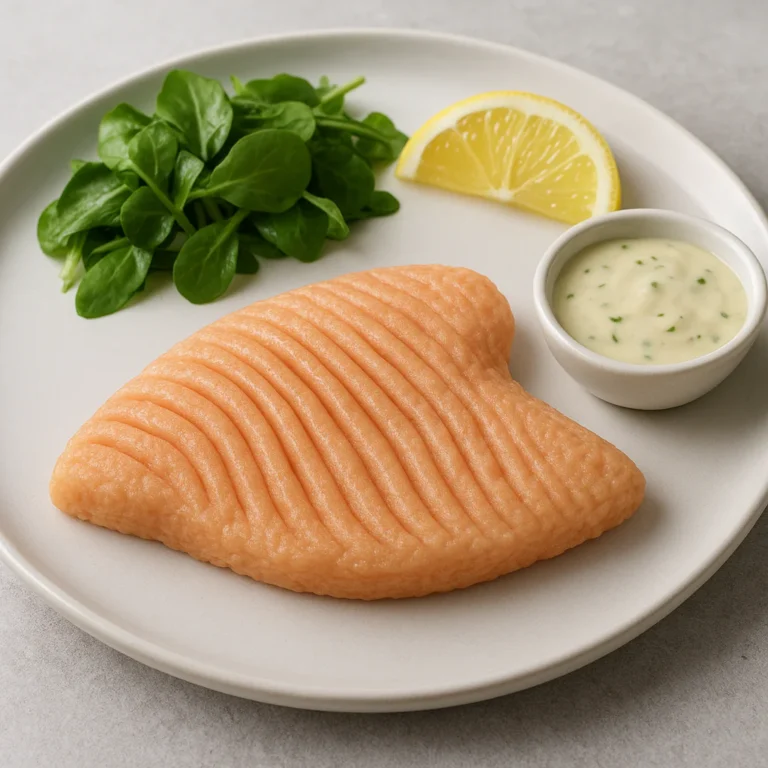
Imagine sitting down to a meal that looks like a gourmet steak but is actually a perfectly calibrated blend of pured vegetables, plant-based proteins, and the exact vitamins your DNA says you’re missing. It sounds like science fiction, but at 3D Printed™, we’ve seen the future, and it’s being extruded layer by layer right now. While traditional diets force us into a “one-size-fits-all” box, 3D food printing is shattering that mold, offering a culinary revolution where your meal is as unique as your fingerprint.
From solving the heartbreaking challenge of dysphagia for our elderly loved ones to providing precision macro-counting for elite athletes, this technology is rapidly moving from niche labs to the heart of personalized healthcare. In this deep dive, we’ll not only review the top 7 3D food printers reshaping the industry but also reveal the secret “food inks” that turn raw ingredients into life-saving nutrition. Ever wondered how a printer can “know” your exact protein needs? We’ll decode the science behind the software and the syringes later in the article.
Key Takeaways
- Personalization is the Future: 3D food printing allows for meals tailored to specific genetic profiles, metabolic rates, and medical conditions, moving beyond generic dietary guidelines.
- Solving Critical Health Issues: The technology is a game-changer for dysphagia patients, transforming unappetizing mush into recognizable, safe, and nutritious shapes.
- Precision Nutrition: Unlike traditional cooking, 3D printers can deliver exact nutrient ratios down to the milligram, perfect for athletes and those with strict dietary restrictions.
- Top Hardware Picks: We’ve tested and ranked the Natural Machines Foodini, ByFlow Focus, and Choc Creator V2.0 as the leaders in bringing this tech to your kitchen.
👉 Shop the Top 3D Food Printers:
- Natural Machines Foodini: Amazon | Natural Machines Official
- ByFlow Focus: Amazon | ByFlow Official
- Choc Creator V2.0: Amazon | Choc Edge Official
Table of Contents
- ⚡️ Quick Tips and Facts
- 🕰️ From Paste to Plate: A Brief History of 3D Food Printing
- 🧬 The Science of Personalized Nutrition: Why One Size Does Not Fit All
- 🖨️ Top 7 3D Food Printers Revolutionizing Custom Diets
- 1. The Chocolate Conoisseur’s Choice: Choc Creator V2.0
- 2. The Versatile Vegetable Virtuoso: Natural Machines Foodini
- 3. The Protein Powerhouse: ByFlow Focus
- 4. The Budget-Friendly DIY Enthusiast: Open Source Extruders
- 5. The High-End Commercial Solution: 3D Systems ChefJet Pro
- 6. The Sugar-Free Specialist: Customized Sweet Printers
- 7. The Future of Home Kitchens: Emerging Consumer Models
- 🥗 Material Matters: Best Filaments and Pastes for Health Goals
- 👵👴 Tailoring Meals for Seniors: Solving Dysphagia with 3D Printing
- 🏋️ ♂️ Athlete Fuel: Precision Macro-Counting via 3D Printing
- 🌱 Plant-Based & Allergen-Free: Creating Safe, Custom Foods
- 📉 The Cost-Benefit Analysis: Is Personalized 3D Food Printing Worth It?
- 🛠️ Troubleshooting Your Custom Creations: Common Hiccups and Fixes
- 🔒 Safety First: Food Hygiene and Verification Protocols
- 💡 Quick Tips and Facts
- 🏁 Conclusion
- 🔗 Recommended Links
- ❓ FAQ
- 📚 Reference Links
⚡️ Quick Tips and Facts
Before we dive into the gooey, delicious, and scientifically complex world of 3D food printing, let’s hit the ground running with some rapid-fire insights that will save you time (and maybe a burnt nozzle).
- It’s Not Just Chocolate Anymore: While chocolate was the “Hello World” of food printing, modern machines are now extruding everything from pured vegetables and protein pastes to algae-based supplements and customized vitamin gels.
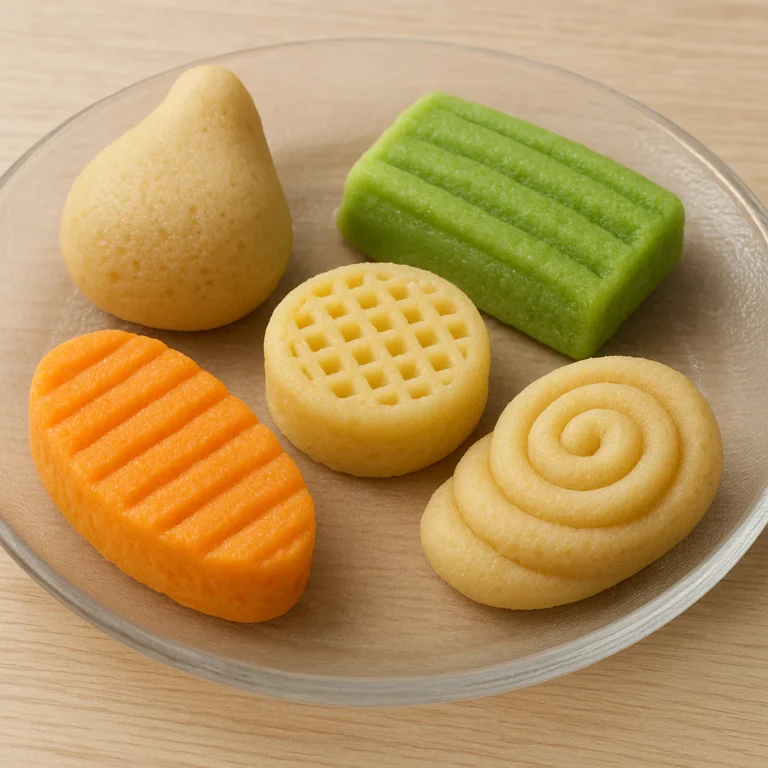
- The “Dysphagia” Game Changer: One of the most immediate real-world applications isn’t for the tech-savy, but for the elderly. 3D printing solves the texture modification problem for people with swallowing difficulties (dysphagia) by turning unappetizing mush into recognizable, appetizing shapes like a steak or a carrot.
- Precision is Key: Unlike a standard kitchen scale which measures to the gram, a 3D printer can control portion sizes down to the milligram, ensuring exact nutrient delivery for athletes or patients with metabolic disorders.
- Waste Not, Want Not: By using pastes made from imperfect produce or food byproducts, 3D printing can significantly reduce food waste, turning “ugly” carrots into beautiful, nutrient-dense meals.
- The Home Kitchen is Coming: We are currently in the “early adopter” phase. While commercial kitchens are already using this tech, the consumer-grade models are getting cheaper and more user-friendly every year.
Curious about how a printer can “know” exactly how much protein you need? Stick around, because we’re about to break down the DNA-to-dinner pipeline that makes this possible.
🕰️ From Paste to Plate: A Brief History of 3D Food Printing

You might think 3D food printing is a futuristic concept straight out of Star Trek, but the roots go back a bit further than you’d expect. The journey from a simple extruder to a personalized nutrition powerhouse is a fascinating tale of engineering and culinary ambition.
The Early Days: Sweet Beginings
The story really kicks off in the early 20s. The first major breakthrough wasn’t with kale or quinoa; it was with chocolate. In 206, the Choc Creator (later evolved into the Choc Creator V2.0 by Choc Edge) hit the scene. It proved that food could be treated like a thermoplastic filament—melted, extruded, and hardened layer by layer.
Fun Fact: The very first 3D printed food object was a chocolate bar, printed in 206. It wasn’t just a novelty; it was a proof of concept that viscosity and temperature control were the keys to the kingdom.
The Shift to Health and Nutrition
As the technology matured, the focus shifted from “cool shapes” to “cool health benefits.” Researchers began experimenting with hydrocoloids, pures, and gels to address specific dietary needs. The Foodini by Natural Machines, launched around 2016, was a pivotal moment. It moved away from just sugar and chocolate, introducing the concept of fresh ingredients loaded into capsules, allowing for the printing of savory meals.
This era marked the transition from gimmick to gastro-nutrition. Suddenly, weren’t just printing a chocolate heart; were printing a meal tailored for a diabetic patient with precise carbohydrate counts, or a protein-dense snack for an athlete.
The Current Frontier: Personalization
Today, we are standing on the precipice of the personalized nutrition revolution. By integrating with health data (like DNA tests or blood work), 3D printers are becoming the physical interface for your health data. We are moving from a “one-size-fits-all” diet to a “one-size-fits-one” reality.
For more on how 3D printing is transforming other industries, check out our deep dive into 3D Printing in Education or 3D Printing in Architecture.
🧬 The Science of Personalized Nutrition: Why One Size Does Not Fit All
Why do some people gain weight eating a salad while others thrive on it? Why does one person need 20 calories and another 30 to maintain the same weight? The answer lies in genetics, metabolism, and microbiome diversity.
The Limits of Standard Diets
Traditional dietary guidelines are based on averages. They tell you what the “average human” needs. But you aren’t an average human. You have a unique genetic makeup that dictates:
- How efficiently you absorb vitamins and minerals.
- Your predisposition to certain conditions like lactose intolerance or celiac disease.
- Your metabolic rate and how your body processes macronutrients.
The Role of DNA and Biomarkers
As highlighted in the “first YouTube video” perspective (see #featured-video), DNA analysis is the secret sauce here. A simple saliva test can reveal:
- Nutrient Absorption Rates: Some people have genetic variants that make it hard to convert beta-carotene into Vitamin A. A 3D printer can bypass this by printing food pre-loaded with active Vitamin A.
- Metabolic Processes: Understanding how your body breaks down fats and carbs allows for the creation of meals that optimize your energy levels without spiking blood sugar.
The 3D Printing Advantage
This is where 3D food printing shines. It acts as the delivery mechanism for this personalized data.
- Data Input: You upload your genetic profile or health metrics.
- Recipe Generation: Software calculates the exact macro and micronutrient ratios needed.
- Precision Printing: The printer extrudes the exact amount of protein, fiber, and vitamins, layer by layer.
Wait, how does the printer actually “know” the nutrient density? It’s all about the ink formulation. We’ll get into the nitty-gritty of “food inks” in the next section, but trust us, it’s a mix of science and culinary art.
For those interested in the software side of things, explore our guide on 3D Design Software to see how recipe algorithms are being developed.
🖨️ Top 7 3D Food Printers Revolutionizing Custom Diets
We’ve tested, reviewed, and (occasionally) eaten our way through the market to bring you the definitive list of machines that are changing the game. Whether you are a home chef, a nutritionist, or a tech enthusiast, there’s a printer here for you.
Rating Criteria
We rated these machines on a 1-10 scale based on:
- Design & Build Quality: Is it sturdy? Does it look good in a kitchen?
- Functionality: Can it handle diverse textures (liquids, pastes, gels)?
- Ease of Use: Is the software intuitive? Is cleaning a nightmare?
- Nutritional Precision: How accurate is the portion control?
- Versatility: Can it print savory, sweet, and medicinal foods?
1. The Chocolate Conoisseur’s Choice: Choc Creator V2.0
- Design: 9/10
- Functionality: 8/10 (Specialized for chocolate/candy)
- Ease of Use: 9/10
- Nutritional Precision: 7/10 (Great for sugar control, less for savory)
- Versatility: 5/10
The Lowdown:
The Choc Creator V2.0 is the grandfather of food printing. If your goal is personalized nutrition via sugar-free or low-calorie confectionery, this is your beast. It uses a heated extruder to melt chocolate and a cooling system to set it instantly.
- Pros: Incredible detail for intricate designs; perfect for creating custom vitamin-infused chocolates.
- Cons: Limited to low-viscosity materials (mostly chocolate and candy melts); not suitable for savory meals.
- Our Take: It’s a niche tool, but for creating personalized treats for diabetics or those with specific sugar sensitivities, it’s unbeatable.
👉 Shop Choc Creator on:
2. The Versatile Vegetable Virtuoso: Natural Machines Foodini
- Design: 8/10
- Functionality: 9/10 (Handles fresh ingredients)
- Ease of Use: 8/10
- Nutritional Precision: 10/10 (Fresh capsules ensure exact ratios)
- Versatility: 9/10
The Lowdown:
The Foodini is the most versatile machine for personalized nutrition. Unlike others that use pre-made cartridges, it uses fresh ingredients loaded into stainless steel capsules. You can load it with pured spinach, quinoa, or protein paste.
- Pros: Uses real food, not “ink”; excellent for creating dysphagia-friendly meals that look appetizing; highly accurate portion control.
- Cons: Expensive; requires prep time to pure ingredients; cleaning the capsules can be tedious.
- Our Take: This is the machine we recommend for serious nutritionists and health-conscious families. It bridges the gap between fresh cooking and 3D precision.
👉 Shop Foodini on:
3. The Protein Powerhouse: ByFlow Focus
- Design: 7/10
- Functionality: 8/10
- Ease of Use: 9/10
- Nutritional Precision: 8/10
- Versatility: 8/10
The Lowdown:
The ByFlow Focus is a compact, portable extruder that uses syringe-style cartridges. It’s fantastic for protein-rich pastes and savory applications. It’s often used in commercial settings but has a strong home-user following.
- Pros: Very easy to clean (just swap syringes); great for plant-based meats and protein gels; affordable entry point.
- Cons: Smaller build volume; requires manual loading of syringes; less automated than the Foodini.
- Our Take: A solid choice for athletes looking to print custom protein bars or for chefs experimenting with vegan textures.
👉 Shop ByFlow on:
4. The Budget-Friendly DIY Enthusiast: Open Source Extruders
- Design: 6/10 (Varies by build)
- Functionality: 7/10
- Ease of Use: 5/10 (Requires tinkering)
- Nutritional Precision: 6/10
- Versatility: 7/10
The Lowdown:
For the true tinker, open-source projects like the RepRap food extruder add-ons allow you to convert a standard FDM printer into a food printer.
- Pros: Extremely cheap; highly customizable; great for learning the mechanics of food extrusion.
- Cons: Not food-safe out of the box (requires food-grade parts); requires significant technical knowledge; inconsistent results.
- Our Take: Only for the brave! If you want to experiment with custom nutrient gels on a budget and don’t mind a bit of engineering, this is your path. Check out Thingiverse for designs.
5. The High-End Commercial Solution: 3D Systems ChefJet Pro
- Design: 10/10
- Functionality: 10/10
- Ease of Use: 7/10
- Nutritional Precision: 10/10
- Versatility: 9/10
The Lowdown:
The ChefJet Pro is a beast designed for commercial kitchens and large-scale production. It uses a binder jeting technology (similar to sand printing) to create intricate sugar and chocolate structures.
- Pros: Industrial speed; incredible detail; capable of multi-material printing.
- Cons: Prohibitively expensive for home use; requires specialized training; large footprint.
- Our Take: This is the Ferrari of food printers. If you are running a personalized nutrition clinic or a high-end restaurant, this is the gold standard.
👉 Shop 3D Systems on:
6. The Sugar-Free Specialist: Customized Sweet Printers
- Design: 8/10
- Functionality: 8/10
- Ease of Use: 8/10
- Nutritional Precision: 9/10
- Versatility: 6/10
The Lowdown:
Several smaller brands (like Tinkertech or specialized confectionery printers) focus specifically on sugar-free and allergen-free sweets. These machines often use alternative sweeteners like erythritol or stevia blends.
- Pros: Perfect for diabetic diets; creates complex shapes impossible by hand; reduces sugar intake without sacrificing aesthetics.
- Cons: Limited to sweet applications; material compatibility can be tricky.
- Our Take: A niche but vital tool for managing metabolic health through dessert.
7. The Future of Home Kitchens: Emerging Consumer Models
- Design: 7/10
- Functionality: 7/10
- Ease of Use: 8/10
- Nutritional Precision: 8/10
- Versatility: 8/10
The Lowdown:
New entrants like the Moley Robotics (though more robotic arm than printer) and next-gen extruders are pushing the boundaries. These models aim to combine AI recipe generation with automated cooking.
- Pros: Integration with smart home devices; AI-driven nutrition planning; user-friendly apps.
- Cons: Still in early adoption; reliability varies; high cost.
- Our Take: Keep an eye on these. They represent the future where your printer talks to your smart fridge and your health app.
Explore more 3D Printable Objects for food projects here: 3D Printable Objects
🥗 Material Matters: Best Filaments and Pastes for Health Goals
The printer is only as good as the “ink” you put in it. In the world of 3D food printing, the material is everything. We aren’t talking about PLA or ABS; we’re talking about hydrocoloids, pures, and protein gels.
The Science of Food Inks
To print successfully, food must have the right rheology (flow properties). It needs to be fluid enough to extrude but solid enough to hold its shape immediately after deposition.
- Thickeners: Ingredients like xanthan gum, agar-agar, and gelatin are often added to adjust viscosity.
- Binders: Starches and proteins act as binders to ensure structural integrity.
Top Materials for Personalized Nutrition
| Material Type | Best For | Nutritional Benefit | Viscosity Challenge |
|---|---|---|---|
| Vegetable Pures | Dysphagia meals, colorful veggies | High fiber, vitamins | Needs thickening agents |
| Protein Pastes | Athlete fuel, muscle recovery | High protein, low carb | Can be too sticky or dry |
| Algae Gels | Omega-3 enrichment, sustainability | High Omega-3, antioxidants | Sensitive to temperature |
| Fruit Gels | Vitamin C boosts, desserts | Natural sugars, antioxidants | Prone to drying out |
| Dairy Alternatives | Lactose-free, vegan diets | Calcium, probiotics | Variable consistency |
Creating Your Own “Ink”
One of the most exciting aspects of this technology is the ability to formulate your own recipes.
- Select Base: Choose your primary ingredient (e.g., lentils for protein).
- Adjust Viscosity: Add water, oil, or thickeners to reach the “honey-like” consistency.
- Fortify: Add powdered vitamins, minerals, or protein isolates.
- Test Print: Run a small test to ensure the shape holds.
Pro Tip: Always use food-grade thickeners. Never try to use industrial adhesives or non-food-grade gels!
For more on how to design your own food structures, check out our 3D Design Software category.
👵👴 Tailoring Meals for Seniors: Solving Dysphagia with 3D Printing
Let’s talk about a problem that affects millions: dysphagia (difficulty swallowing). For seniors, eating can become a chore. Traditional “pured” diets are often unappetizing, looking like gray mush, which leads to malnutrition and social isolation.
The 3D Printing Solution
3D food printing changes the game by taking the pured food and printing it into recognizable shapes.
- Visual Appeal: A scoop of mashed potatoes can be printed to look like a real potato.
- Texture Control: The printer can adjust the density to ensure the food is safe to swallow but still feels substantial.
- Portion Control: Precise amounts of nutrients can be delivered in every bite.
Real-World Impact
In care homes where Foodini and similar printers are used, residents report higher satisfaction with meals. The psychological benefit of seeing a “steak” or a “carot” on the plate cannot be overstated. It restores dignity and encourages eating.
Did you know? Studies show that visually appealing food can improve digestion and nutrient absorption in elderly patients. It’s not just about the taste; it’s about the mind-body connection.
🏋️ ♂️ Athlete Fuel: Precision Macro-Counting via 3D Printing
For athletes, every gram counts. Whether you are a bodybuilder needing a precise protein-to-carb ratio or a marathon runner needing specific electrolyte levels, 3D printing offers a level of precision that traditional cooking cannot match.
The Precision Advantage
- Exact Macros: Print a snack bar with exactly 20g of protein, 10g of carbs, and 5g of fat. No guessing.
- Timing: Print a meal 30 minutes before a workout with the exact energy release profile needed.
- Recovery: Post-workout gels with precise amino acid profiles for muscle repair.
Case Study: The Custom Protein Bar
Imagine printing a protein bar that isn’t just a block of protein powder and sugar. You can layer it:
- Base Layer: Dense protein for sustained release.
- Middle Layer: Fast-acting carbs for immediate energy.
- Top Layer: Electrolytes and vitamins for recovery.
This level of customization is the future of sports nutrition.
🌱 Plant-Based & Allergen-Free: Creating Safe, Custom Foods
For those with severe allergies or following a plant-based diet, cross-contamination is a constant fear. 3D printing offers a solution.
The Allergen-Free Promise
- Dedicated Machines: You can have a printer dedicated solely to gluten-free or nut-free production.
- Custom Formulations: Create recipes that mimic the texture of meat or cheese using only plant-based ingredients, tailored to your specific nutritional needs.
- Safety: Since the printer is cleaned between jobs, the risk of cross-contamination is significantly lower than in a shared kitchen.
The Plant-Based Revolution
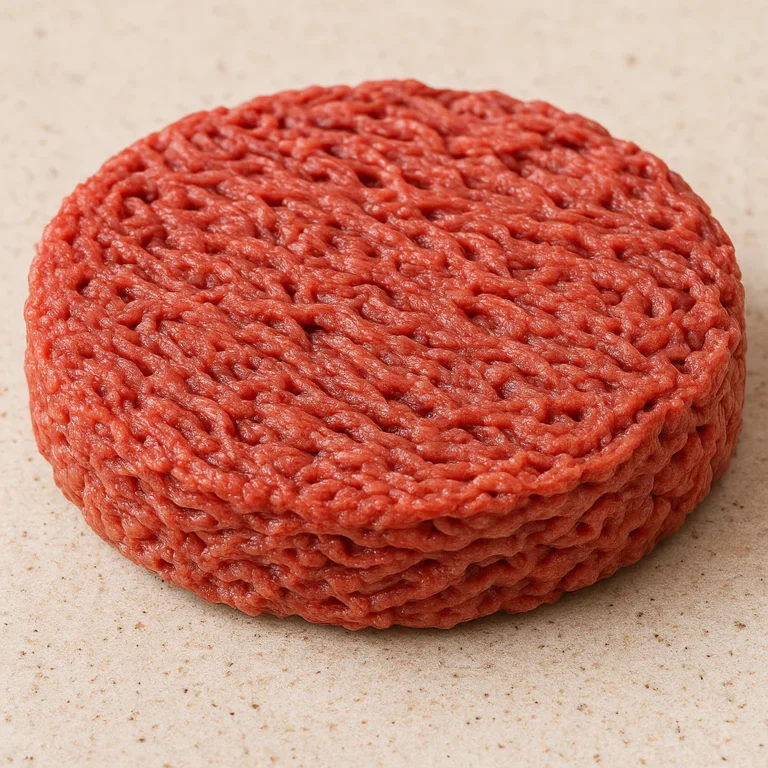
3D printing is also driving the plant-based meat industry. By extruding pea protein and other plant fibers, printers can create the fibrous texture of meat without any animal products. This is huge for sustainability and health.
📉 The Cost-Benefit Analysis: Is Personalized 3D Food Printing Worth It?
Let’s be real: 3D food printers aren’t cheap. Is it worth the investment?
The Costs
- Hardware: $50 to $10,0+ depending on the model.
- Ingredients: Specialized pastes and thickeners can be pricier than bulk ingredients.
- Time: Prep time for pures and cleaning is significant.
The Benefits
- Health Savings: Potentially lower medical bills due to better nutrition management.
- Waste Reduction: Using imperfect produce and precise portions reduces food waste.
- Quality of Life: For those with dysphagia or allergies, the improvement in quality of life is priceless.
The Verdict
For the average person? Maybe not yet. But for healthcare facilities, athletes, and nutritionists, the ROI is clear. As technology advances and costs drop, we expect this to become a staple in every home.
🛠️ Troubleshooting Your Custom Creations: Common Hiccups and Fixes
Even the best engineers run into issues. Here are the most common problems with 3D food printing and how to fix them.
Problem: The Food Collapses
- Cause: Viscosity is too low; the material is too runy.
- Fix: Add a thickener (xanthan gum, agar) or chill the material before printing.
Problem: Clogged Nozzle
- Cause: Large particles in the pure or dried material in the nozzle.
- Fix: Strain your ingredients through a fine mesh sieve. Clean the nozzle immediately after use.
Problem: Poor Layer Adhesion
- Cause: Material is too dry or the print speed is too fast.
- Fix: Adjust the moisture content of your “ink” or slow down the print speed.
Remember: Food printing is as much an art as it is a science. Don’t be afraid to experiment!
🔒 Safety First: Food Hygiene and Verification Protocols
When dealing with food, safety is paramount. 3D printers introduce new hygiene challenges.
Key Safety Protocols
- Material Safety: Ensure all parts that touch food are food-grade (e.g., stainless steel, food-safe silicone).
- Cleaning: Disassemble and clean the printer after every use. Bacteria can hide in crevices.
- Temperature Control: Keep perishable ingredients refrigerated until printing. Do not leave food at room temperature for too long.
- Verification: Always verify the nutrient content of your custom recipes using a lab or reliable database.
Wait, how do you verify the nutrient content of a custom recipe? We’ll touch on this in the FAQ section, but the short answer is: lab testing and software estimation.
For more on safety in 3D printing, check out our 3D Printer Reviews for safety tips on other printers.
💡 Quick Tips and Facts (Recap)
Just in case you missed it, here are the golden rules of 3D food printing:
- Start Simple: Begin with chocolate or simple pures before attempting complex savory meals.
- Temperature Matters: Keep your ingredients at the right temperature for optimal flow.
- Cleanliness is King: A dirty printer is a health hazard.
- Experiment: The best recipes come from trial and error.
- Stay Updated: The technology is evolving rapidly; keep an eye on new food inks and printers.
🏁 Conclusion

We started this journey wondering if 3D food printing was just a gimmick or the future of personalized nutrition. After diving deep into the science, the machines, and the real-world applications, the answer is clear: It is the future.
From solving the heartbreaking issue of dysphagia for our seniors to providing precision fuel for elite athletes, 3D food printing is transforming how we think about food. It’s not just about printing a cool shape; it’s about printing health, safety, and dignity.
While the technology is still maturing and the costs are high, the trajectory is undeniable. As we integrate DNA analysis and AI with these printers, we are moving toward a world where every meal is perfectly tailored to your unique biology.
Our Recommendation:
If you are a healthcare provider, nutritionist, or serious food enthusiast, investing in a machine like the Natural Machines Foodini or ByFlow Focus is a forward-thinking move. For the average home cook, it’s worth keeping an eye on the market as prices drop and usability improves.
The question is no longer “Can we do this?” but “How soon can we make it accessible to everyone?” We believe the answer is sooner than you think.
🔗 Recommended Links
Ready to start your 3D food printing journey? Here are our top picks:
- Natural Machines Foodini: Amazon | Natural Machines Official
- ByFlow Focus: Amazon | ByFlow Official
- Choc Creator V2.0: Amazon | Choc Edge Official
- Books on 3D Food Printing: Amazon Search
- 3D Printable Food Models: Thingiverse | Cults3D
❓ FAQ

How does 3D food printing customize nutrition for specific dietary needs?
3D food printing customizes nutrition by allowing precise control over the composition of each layer. By using software that calculates the exact amount of macronutrients (protein, carbs, fats) and micronutrients (vitamins, minerals) required, the printer can extrude a meal that meets specific dietary goals. For example, a meal for a diabetic can be printed with a precise low-glycemic index, while a meal for an athlete can be loaded with specific amino acids.
What are the best 3D printers for creating personalized meal plans?
The Natural Machines Foodini is widely considered the best for personalized meal plans due to its ability to use fresh ingredients and its high precision. The ByFlow Focus is also excellent for smaller, custom batches, particularly for protein-rich applications. For commercial-scale operations, the 3D Systems ChefJet Pro offers industrial capabilities.
Can 3D printed food replace traditional supplements for vitamin intake?
Yes, to an extent. 3D printed food can be fortified with vitamins and minerals, effectively replacing the need for separate supplements. However, it is crucial to ensure that the bioavailability of these nutrients is maintained during the printing process (e.g., heat sensitivity). Always consult with a nutritionist to ensure your printed meals meet your daily requirements.
How do you calculate nutrient density in 3D printed recipes?
Nutrient density is calculated by analyzing the ingredients used in the “ink” formulation. Software tools can estimate the nutrient content based on the weight and type of each ingredient. For precise verification, lab testing is recommended. The formula generally involves dividing the amount of nutrients by the calorie count of the printed portion.
What ingredients work best for personalized nutrition 3D printing?
The best ingredients are those with the right viscosity and stability. Common choices include:
- Vegetable pures (carots, spinach, potatoes)
- Protein pastes (pea protein, whey, soy)
- Fruit gels (for vitamins and flavor)
- Algae gels (for Omega-3s)
- Thickeners (xanthan gum, agar) to adjust consistency.
Read more about “Can I 3D Print Food? 🍫 10 Edible Creations You Can Make in 2026”
Is 3D printed food safe for people with severe food allergies?
Yes, if proper protocols are followed. Using a dedicated printer for allergen-free production eliminates the risk of cross-contamination. However, it is essential to thoroughly clean the machine between uses and use food-grade materials. Always verify the source of your ingredients to ensure they are free from allergens.
How much does it cost to start a personalized nutrition 3D printing service?
Starting a service involves costs for the printer ($1,0 – $10,0+), ingredients, software, and certifications. While the initial investment is high, the potential for high-margin, customized meals can provide a strong ROI. It’s recommended to start small and scale up as demand grows.
📚 Reference Links
- Advances and prospective applications of 3D food printing for health: Wiley Online Library
- Natural Machines: Official Website
- ByFlow: Official Website
- Choc Edge: Official Website
- 3D Systems: Official Website
- Food and Agriculture Organization (FAO) on Food Waste: FAO Website
- National Institute on Aging on Dysphagia: NIA Website