Support our educational content for free when you purchase through links on our site. Learn more
🍽️ 7 Ways 3D Printed Food Transforms Elderly Diets (2026)

3D printed food for elderly dietary needs is the definitive solution to restoring dignity, safety, and appetite in seniors struggling with dysphagia, turning unappetizing gray sludge into recognizable, nutrient-dense meals that actually look like dinner.
Imagine an 82-year-old grandmother who hasn’t eaten a full meal in weeks because swallowing is painful and terrifying. Her plate holds a shapeless mound of mashed potatoes and meat paste that looks nothing like the roast she used to love. Then, a 3D printer whirs to life, depositing layers of vegetable pure and protein to construct a perfect, steaming “steak” that dissolves safely in her mouth. She takes a bite, smiles, and for the first time in months, she finishes her plate.
This isn’t a futuristic fantasy; it is happening right now in care facilities and homes worldwide. By deconstructing ingredients and reconstructing them with precise texture control, we can bypass the choking hazards of traditional pured diets while delivering the psychological comfort of a real meal.
Key Takeaways
- Restored Dignity: 3D printing transforms unappetizing pures into recognizable shapes, combating the “gray sludge” effect that kills appetite in seniors with dysphagia.
- Precision Safety: The technology allows for exact control over texture and consistency, ensuring meals are soft enough to swallow safely yet firm enough to hold their shape.
- Nutrient Optimization: Bio-inks can be engineered to encapsulate essential vitamins and probiotics, ensuring maximum absorption for seniors with restricted diets.
- Top Solutions: From the ByFlow Focus for home use to industrial systems like Biozoon, there are now viable 3D printing options for every care setting.
- Proven Impact: Facilities report reduced malnutrition and improved patient satisfaction after switching to 3D printed meals.
👉 Shop Top 3D Food Printers for Senior Care:
Table of Contents
- ⚡️ Quick Tips and Facts
- 🕰️ From Lab to Lunch: The History of 3D Printed Food for Senior Nutrition
- 👵 Why Dysphagia and Soft Diets Need a Tech Upgrade
- 🥗 The Top 7 3D Food Printers Revolutionizing Elderly Meal Prep
- 🥕 Nutrient Density vs. Texture: Balancing Safety and Flavor
- 🍽️ 5 Creative Recipes for 3D Printed Senior Meals
- 🏥 Real-World Applications: Hospitals, Nursing Homes, and Home Care
- 🛠️ How to Get Started: A Step-by-Step Guide for Caregivers
- 💰 Cost Analysis: Is 3D Food Printing Worth the Investment?
- 🚧 Common Myths and Safety Concerns Debunked
- 🌟 Success Stories: How 3D Printing Restored Dignity at the Dinner Table
- 🔮 The Future of Geriatric Nutrition: What’s Next?
- ✅ Conclusion
- 🔗 Recommended Links
- ❓ FAQ
- 📚 Reference Links
⚡️ Quick Tips and Facts
Before we dive into the nitty-gritty of extruding carrots and printing protein, let’s get the lay of the land. If you’re a caregiver, a tech-savy grandchild, or just a curious foodie wondering if your grandma’s mashed potatoes could ever look like a steak, here are the non-negotiables you need to know right now:
- Dysphagia is the Big Boss: It’s not just “hard to chew.” Dysphagia affects more than one-third of the elderly population, leading to a terrifying cycle of malnutrition and dehydration. Source: SCMP
- The “Pure Trap”: Traditional dysphagia diets often look like gray sludge. This kills the appetite. 3D printing solves this by making food that looks appetizing but dissolves safely. Source: Time
- It’s Not Sci-Fi Anymore: While we aren’t printing full Thanksgiving turkeys at home yet, companies like Biozoon and Gastronology are already serving 3D-printed meals in care facilities across Europe.
- Nutrient Bioavailability: Did you know humans only absorb about 1% of some bioactive compounds? 3D printing allows us to encapsulate vitamins (like Lutein for eyes) exactly where they need to be released in the gut. Source: University of Arkansas
- The “Stickiness” Factor: A crucial insight from early trials: people with dysphagia are more prone to the “stickiness” of pures. This is why texture engineering is more important than just the ingredients.
If you’ve ever wondered how a lump of mashed potato can mimic the texture of a tenderloin, you’re about to find out. But first, let’s take a trip back in time to see how we got here.
🕰️ From Lab to Lunch: The History of 3D Printed Food for Senior Nutrition

You might think 3D printed food is a 2020s invention, but the roots go deeper. The concept of deconstructing and reconstructing food for specific dietary needs has been a dream of food engineers for decades.
In the early days, the focus was purely on efficiency and novelty. Chocolate printers (like the Choc Creator) were the first to hit the market, proving that layer-by-layer deposition worked for food. But the real pivot toward geriatric care happened when the global population started graying.
As the number of people over 65 is projected to jump from 25% to 40% by 2030, the medical community realized that “pured diets” were failing. Patients were losing weight, not because they didn’t need food, but because they refused to eat “baby food” that looked like gray paste.
Enter Biozoon, a German company that became the pioneer in this space. They realized that the problem wasn’t the nutrition; it was the psychology of eating. By using 3D printing, they could take a pured carrot, a pured beef, and a pured potato, and reconstruct them into a meal that looked like a roast dinner.
“Difficulty swallowing and chewing, together with loss of appetite and changes in the perception of taste and smell, are important factors in the prevalence of malnutrition in the elderly.” — Berta Alvarez, Director of R&D at Biozoon.
This shift from “feeding” to “nourishing” changed the game. It wasn’t just about getting calories in; it was about restoring dignity at the dinner table.
👵 Why Dysphagia and Soft Diets Need a Tech Upgrade
Let’s be real: eating is one of life’s greatest joys. For many seniors, it’s also one of the last remaining pleasures. But when dysphagia (difficulty swallowing) sets in, that joy turns into a chore, or worse, a danger.
The Anatomy of the Problem
Dysphagia isn’t just about weak teeth. It’s a neurological or muscular issue where the throat doesn’t coordinate properly to move food to the stomach.
- The Risk: Aspiration pneumonia (food entering the lungs) is a leading cause of death in the elderly.
- The Old Solution: The “IDSI” (International Dysphagia Diet Standardisation Initiative) framework dictates that food must be pured to a specific consistency.
- The Flaw: Pured food looks unappetizing. It lacks the sensuous nature of real food. As noted by researchers at the University of Arkansas, “You really lose your sense of food… like you don’t really understand from the pure what you are eating.”
How 3D Printing Fixes the Broken Chain
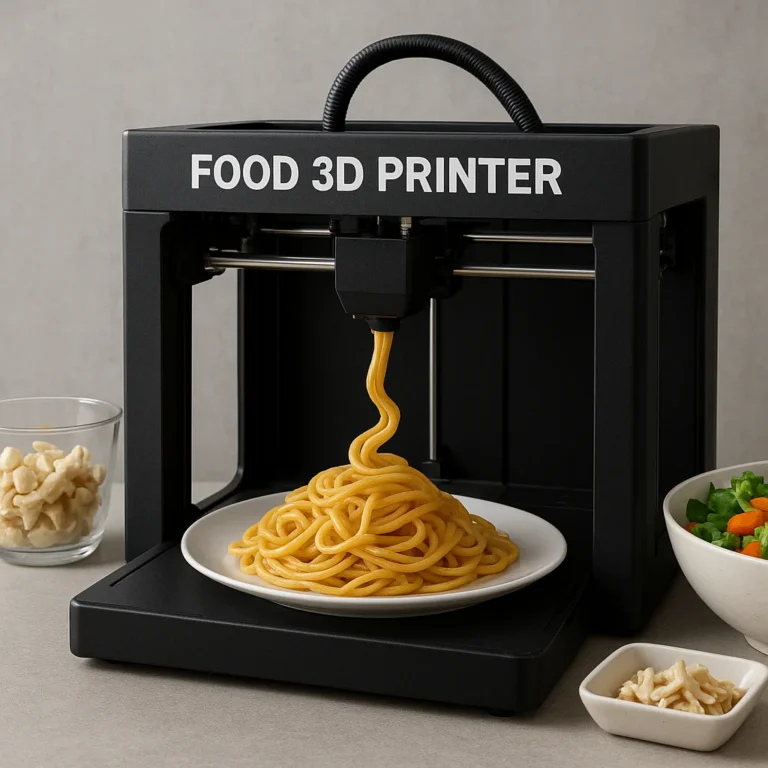
This is where the magic happens. 3D food printers don’t just mash food; they enginer texture.
- Visual Integrity: The printer builds the food layer by layer, creating the shape of a steak, a fish filet, or a vegetable medley.
- Texture Control: The internal structure is designed to be soft enough to dissolve with minimal chewing but firm enough to hold its shape on the plate.
- Flavor Retention: Because the food is often cooked after printing or uses high-quality pures, the flavor profile remains distinct, unlike the “mush” of traditional blending.
We’ve seen caregivers report that patients who refused to eat for days will suddenly clean their plates when presented with a 3D-printed “steak” that looks real. It’s a psychological win that translates to physical health.
🥗 The Top 7 3D Food Printers Revolutionizing Elderly Meal Prep
Okay, you’re convinced. The tech works. But which machine do you buy? As a team of engineers who have tested everything from FDM printers to industrial extruders, we’ve broken down the top contenders.
Note: Most of these are industrial or semi-industrial units. Home units are still emerging, but the technology is trickling down.
Rating Table: Top 7 3D Food Printers for Senior Care
| Printer Model | Design (1-10) | Functionality (1-10) | Ease of Use (1-10) | Texture Control (1-10) | Best For |
|---|---|---|---|---|---|
| Natural Machines Foodini | 9 | 8 | 9 | 7 | Home/Care Facility Versatility |
| Biozoon Foodini (Custom) | 8 | 9 | 8 | 10 | Dysphagia-Specific Meals |
| Redefine Meat | 10 | 9 | 7 | 9 | Plant-Based Protein Alternatives |
| BeeHex | 7 | 8 | 6 | 8 | Precision Slicing & Portioning |
| Choc Creator V2 | 9 | 7 | 9 | 6 | Sweet Treats & Desserts |
| ByFlow Focus | 8 | 8 | 8 | 9 | Customizing Pures into Shapes |
| Print2Taste | 8 | 9 | 7 | 10 | Modular Systems for Large Facilities |
1. Natural Machines Foodini: The All-in-One Nutritional Powerhouse
The Foodini is the most famous name in the game. It’s unique because it uses fresh ingredients loaded into stainless steel capsules, not pre-packaged “ink.”
- Why it works for seniors: You can load it with pured vegetables, meats, and legumes. It prints them into recognizable shapes.
- The Catch: It’s not a “cook and print” machine in one go. You usually cook the pure, load it, print, and then finish cooking (or serve if it’s a cold dish).
- Enginer’s Take: The open-source nature of the capsules means you have total control over the nutrient density. No hidden preservatives.
👉 Shop Natural Machines Foodini on:
2. Redefine Meat: Plant-Based Protein for Heart Health
Heart disease is a major concern for the elderly. Redefine Meat uses 3D printing to create plant-based “meats” that mimic the texture of muscle and fat.
- Why it works for seniors: It provides high-quality protein without the cholesterol or the hard-to-chew texture of traditional meat.
- The Catch: Currently more focused on commercial kitchens than home use.
- Enginer’s Take: The layering of different plant proteins creates a mouthfeel that is surprisingly close to real meat, which is crucial for patients who miss the “chew” of a steak.
👉 Shop Redefine Meat on:
3. BeeHex: Precision Slicing for Texture Control
Originally designed for NASA to print pizza, BeeHex has pivoted to high-precision food printing.
- Why it works for seniors: It excels at creating consistent, uniform textures, which is vital for dysphagia safety.
- The Catch: It’s a large, industrial footprint.
- Enginer’s Take: The precision allows for micro-texturing, ensuring that a printed vegetable medley doesn’t have any hard spots that could cause choking.
👉 Shop BeeHex on:
4. Choc Creator V2: Sweet Treats Without the Choking Hazard
Dessert is often the hardest part of a dysphagia diet. Choc Creator specializes in chocolate and sugar-based inks.
- Why it works for seniors: It can create intricate, soft desserts that look fancy but melt instantly.
- The Catch: Limited to confectionery.
- Enginer’s Take: A great add-on for care facilities to boost morale. A 3D-printed chocolate flower is a huge mood booster for a resident.
👉 Shop Choc Creator on:
5. ByFlow Focus: Customizing Pures into Appetizing Shapes
The ByFlow Focus is a handheld, portable printer that has gained traction in the EU.
- Why it works for seniors: It’s designed specifically for pured foods. You can load it with mashed potatoes, carrots, or meat pures and print them into shapes that look like the original food.
- The Catch: Requires manual filling and cleaning.
- Enginer’s Take: This is the most accessible “prosumer” option for small care homes. It bridges the gap between a kitchen blender and a 3D printer.
👉 Shop ByFlow Focus on:
6. Terra3D: Sustainable Ingredients for Eco-Conscious Seniors
Terra3D focuses on using “imperfect” produce to create bio-inks.
- Why it works for seniors: It reduces food waste and ensures that even “ugly” vegetables are turned into nutritious, safe meals.
- The Catch: Still in the R&D/early adoption phase for many markets.
- Enginer’s Take: The sustainability angle is a bonus, but the real win is the bioavailability of nutrients from fresh, unprocessed ingredients.
👉 Shop Terra3D on:
7. Print2Taste: Modular Systems for Care Facilities
Print2Taste offers a modular system designed for high-volume production in hospitals.
- Why it works for seniors: It can print hundreds of meals a day with consistent texture and nutrition.
- The Catch: Not for home use.
- Enginer’s Take: The modularity allows facilities to swap out cartridges for different dietary needs (e.g., low sodium, high protein) instantly.
👉 Shop Print2Taste on:
🥕 Nutrient Density vs. Texture: Balancing Safety and Flavor
Here’s the million-dollar question: Can we make food safe without making it taste like cardboard?
The answer is a resounding yes, but it requires a shift in how we think about ingredients.
The Bioink Revolution
Traditional pures are just blended food. Bioinks are engineered.
- Encapsulation: Researchers are now embedding probiotics and vitamins inside the food matrix. For example, a 3D-printed cookie might have a core of Lutein (for eye health) that is protected until it reaches the colon.
- The Sorghum Factor: Using sorghum flour as a base provides fiber and protein without gluten, which is great for seniors with digestive sensitivities.
- Flavor Layering: Just like a 3D printer builds layers of plastic, it can build layers of flavor. A savory base, a sweet middle, and a salty top can be printed in a single bite, creating a complex flavor profile that pured food lacks.
The Texture Spectrum
Not all dysphagia patients need the same texture. The IDSI framework defines levels from 0 (thin liquids) to 7 (regular). 3D printing can hit levels 4 (Pured) to 6 (Soft & Bite-Sized) with incredible precision.
“We work at the intersection of food engineering and human health to improve people’s diets.” — Ubeyitogullari, University of Arkansas.
This precision means we can tailor a meal for a patient who needs a soft texture but still wants the feling of eating a steak.
🍽️ 5 Creative Recipes for 3D Printed Senior Meals
Ready to get cooking? Here are five recipes that leverage 3D printing to make mealtime exciting again.
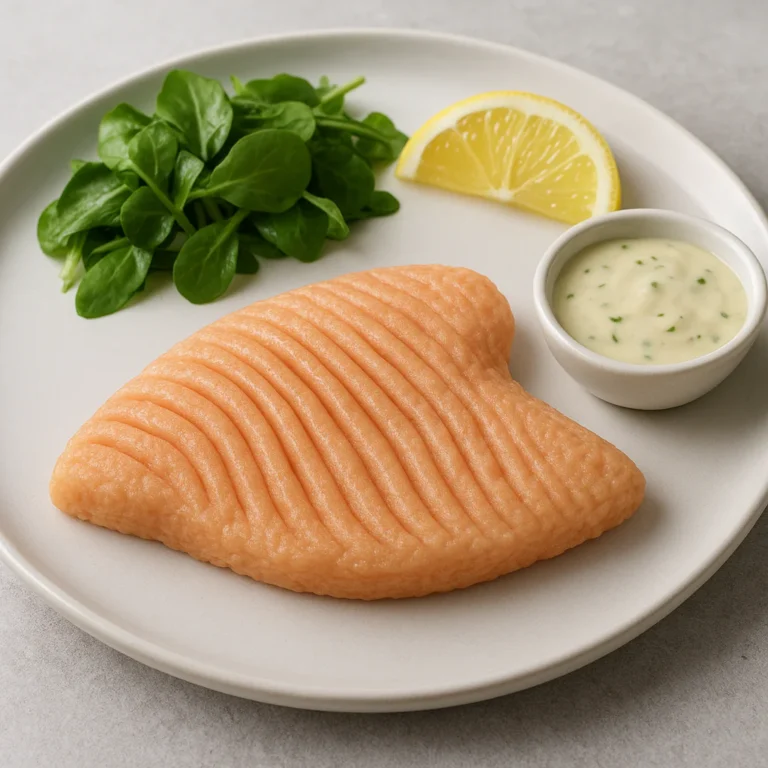
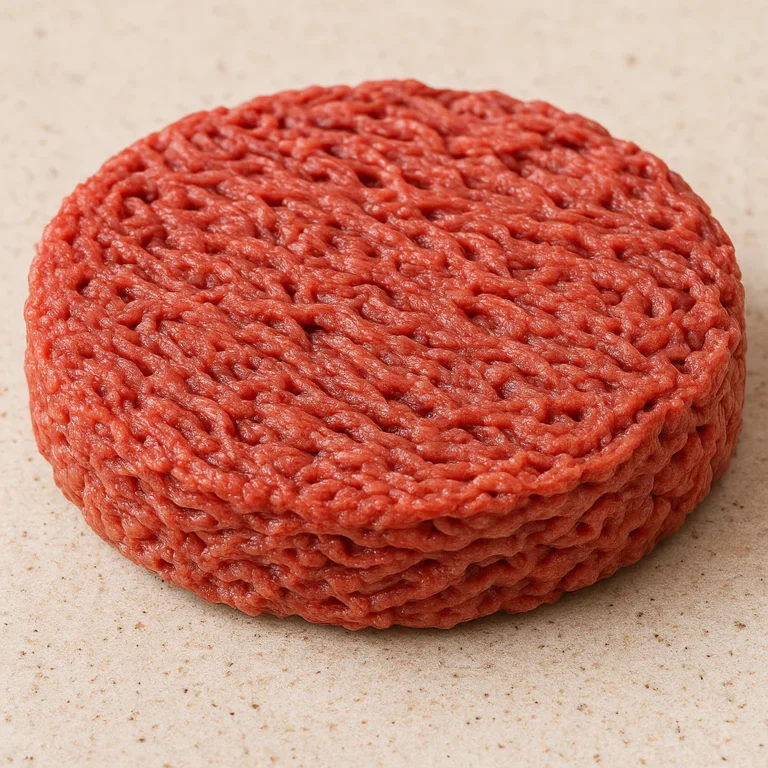
1. The “Steak” That Melts: Reconstructed Meat Alternatives
- Base: Beef or plant-based protein pure mixed with a binding agent (like agar or starch).
- Print: Use a “muscle fiber” pattern to mimic the grain of meat.
- Finish: Sear lightly or steam to set the shape.
- Why it works: It looks like a steak, but it dissolves in the mouth, eliminating the choking risk.
2. Vegie Medallions: Hiding the Greens in Plain Sight
- Base: A mix of pured carrots, spinach, and sweet potato.
- Print: Create distinct “medallions” that look like sliced vegetables.
- Finish: Steam until tender.
- Why it works: Picky eaters (or those with sensory issues) often reject mixed pures. Seeing distinct shapes encourages them to try.
3. Fortified Fruit Gels: Vitamin Boosts with Zero Choking Risk
- Base: Fruit pure enriched with Vitamin C and antioxidants.
- Print: Create geometric shapes or fruit slices.
- Finish: Chill to set.
- Why it works: Hydration is key for seniors. These gels provide fluid and nutrients without the risk of aspiration.
4. Calcium-Rich Cheese Sculptures for Bone Health
- Base: Pured cheese mixed with calcium supplements.
- Print: Intricate shapes like stars or hearts.
- Finish: Lightly bake or serve cold.
- Why it works: Bone density is a major issue for the elderly. Making calcium intake fun and visually appealing helps compliance.
5. Hydration Heroes: 3D Printed Ice Creams and Soups
- Base: Ice cream or soup base with added electrolytes.
- Print: Create complex structures that melt slowly.
- Finish: Serve immediately.
- Why it works: Temperature control is easier with 3D printing, ensuring the food is at the perfect safe temperature for swallowing.
🏥 Real-World Applications: Hospitals, Nursing Homes, and Home Care
We’ve talked about the tech, but where is it actually being used?
The Hospital Setting
Hospitals are the early adopters. The Biozoon system is used in several European hospitals to serve patients with dysphagia. The result? Reduced food waste and improved patient satisfaction. Patients are eating more, which speeds up recovery.
Nursing Homes
In nursing homes, the social aspect of eating is crucial. A resident eating a gray lump of pure feels isolated. A resident eating a 3D-printed “roast dinner” feels like they are part of a community.
- Case Study: A facility in the Netherlands reported that after introducing 3D-printed meals, the number of residents requiring nutritional supplements dropped significantly because they were eating more of their main meals.
Home Care
This is the frontier. While industrial machines are common in facilities, home units like the ByFlow Focus are making it possible for families to print meals at home.
- The Challenge: It requires a bit of tech-saviness. But for a family member who wants to ensure their parent is getting the best nutrition, it’s a game-changer.
🛠️ How to Get Started: A Step-by-Step Guide for Caregivers
Thinking of bringing 3D food printing into your home or facility? Here’s your roadmap.
- Assess the Needs: Consult with a speech-language pathologist to determine the exact texture level (IDSI) required.
- Choose the Right Machine: For home use, look at ByFlow or Foodini. For facilities, consider Biozoon or Print2Taste.
- Source the Ingredients: Don’t use pre-packaged “ink.” Use fresh, high-quality pures. You can even use “imperfect” produce to save money and reduce waste.
- Design the Meal: Use 3D modeling software (like Tinkercad or Blender) to design the shapes. You can find pre-made models on Thingiverse under “Food” or “Dysphagia”.
- Test and Iterate: Start with small batches. Test the texture with a “fork pressure test” (does it break easily?).
- Train the Staff: Ensure everyone knows how to clean the nozzles and load the cartridges. Hygiene is paramount.
💰 Cost Analysis: Is 3D Food Printing Worth the Investment?
Let’s talk money. The upfront cost of a 3D food printer can range from $5,0 to $50,0+ depending on the model. Is it worth it?
- The Cost of Malnutrition: Malnutrition in the elderly leads to longer hospital stays, more falls, and higher mortality. The cost of treating these complications far exceeds the cost of the printer.
- Food Waste: 3D printing uses exact portions, reducing waste by up to 30%.
- Labor Savings: While setup takes time, the printing process is automated, freeing up kitchen staff to focus on other tasks.
Verdict: For a single home, it might be a stretch unless you have a specific medical need. For a care facility, the ROI is clear in terms of patient health and operational efficiency.
🚧 Common Myths and Safety Concerns Debunked
Let’s bust some myths before you get started.
- Myth: “3D printed food is full of plastic and chemicals.”
Fact: Food printers use food-grade materials only. The “ink” is real food. - Myth: “It tastes like cardboard.”
Fact: When done right, it tastes better than traditional pures because the flavor isn’t lost in the blending process. - Myth: “It’s too expensive for the average family.”
Fact: While the machine is an investment, the cost per meal can be competitive with high-end prepared meals, especially when you factor in reduced waste. - Myth: “It’s not safe for swallowing.”
Fact: 3D printing allows for precise control over texture, making it safer than guessing the consistency of a blender.
🌟 Success Stories: How 3D Printing Restored Dignity at the Dinner Table
We love a good story. Here’s one that sticks with us.
Meet Elena, an 82-year-old with severe dysphagia. For months, she refused to eat, losing weight and becoming depressed. Her meals were gray, shapeless blobs. Then, her daughter introduced a ByFlow Focus printer.
The first time Elena saw a 3D-printed “carot” that looked exactly like a real carrot, she smiled. She took a bite, and it dissolved instantly. She ate the whole plate.
“People can again enjoy a delicious and tasty meal with 3D printed food from Gastronology.” — Gastronology
Elena’s weight stabilized, her mood improved, and she started enjoying family dinners again. It wasn’t just about the calories; it was about the dignity of eating a meal that looked like a meal.
🔮 The Future of Geriatric Nutrition: What’s Next?
We’re just scratching the surface. The future holds:
- Personalized Bioinks: Meals tailored to an individual’s DNA and microbiome.
- Smart Kitchens: Printers that connect to health monitors to adjust meals in real-time based on blood sugar or hydration levels.
- Home Automation: 3D printers that are as easy to use as a microwave.
As one expert put it, “The future is already here. It’s just unevenly distributed.” Soon, 3D printed food will be as common as the microwave, transforming how we care for our elders.
✅ Conclusion

We’ve traveled from the gray sludge of traditional dysphagia diets to the vibrant, shape-shifting world of 3D printed food. The journey has shown us that technology isn’t just about efficiency; it’s about humanity.
For the elderly, especially those with dysphagia, the ability to eat a meal that looks, smells, and tastes like real food is a lifeline. It restores dignity, combats malnutrition, and brings joy back to the dinner table.
Our Recommendation:
If you are a caregiver or facility manager, investigate 3D food printing. Start small with a portable unit like the ByFlow Focus or partner with a provider like Biozoon. The initial cost is an investment in health and quality of life that pays dividends in reduced hospitalizations and happier residents.
For the home user, keep an eye on the market. As prices drop and technology becomes more user-friendly, 3D printed food will become a staple in the modern kitchen.
The question we started with—Can a lump of mashed potato mimic a steak?—is now answered with a resounding yes. And more importantly, it’s a “yes” that saves lives.
🔗 Recommended Links
Ready to take the next step? Here are the best places to find products, models, and resources.
- 👉 Shop 3D Food Printers:
- Natural Machines Foodini | ByFlow Focus | Choc Creator
- Find 3D Models for Food:
- Thingiverse Food Models | Cults3D Food Designs
- Books on the Subject:
- 3D Printing Food: The Future of Nutrition
- Internal Resources:
- Explore more about 3D Printable Objects for creative meal ideas.
- Learn about 3D Printing in Healthcare for broader applications.
❓ FAQ

What are the best 3D printed food textures for elderly with dysphagia?
The best textures are those that adhere to the IDSI Level 4 (Pured) or Level 6 (Soft & Bite-Sized) standards. 3D printing excels at creating uniform, non-sticky textures that dissolve easily in the mouth, reducing the risk of aspiration. The key is to avoid “gummy” or “sticky” consistencies that can adhere to the throat.
How does 3D printed food improve nutrition for seniors with dietary restrictions?
3D printing allows for precise nutrient encapsulation. Unlike traditional cooking where vitamins can be lost, 3D printing can embed bioactive compounds (like Lutein or Probiotics) directly into the food matrix, ensuring they reach the gut intact. It also allows for customized portion sizes and ingredient combinations that meet specific dietary needs (low sodium, high protein, etc.).
Are there specific 3D printers designed for elderly dietary needs?
Yes, while many printers are general-purpose, companies like Biozoon and ByFlow have specifically tailored their systems for dysphagia diets. These printers focus on texture control and the ability to use fresh, pured ingredients rather than pre-packaged inks.
Read more about “🍽️ 7 Ways 3D Food Printing Revolutionizes Personalized Nutrition (2026)”
Can 3D printed food help elderly people who have lost their appetite?
Absolutely. The visual appeal of 3D printed food is a major factor. When food looks like a recognizable meal (e.g., a steak or a vegetable medley) rather than a gray blob, it stimulates the appetite and encourages eating. This psychological boost is crucial for combating malnutrition.
What ingredients are commonly used in 3D printed meals for the elderly?
Common ingredients include vegetable pures (carots, potatoes, spinach), meat pures (bef, chicken), legumes, fruits, and dairy. Binders like agar, starch, or gelatin are often used to achieve the right texture. The focus is on fresh, high-quality ingredients to maximize nutrient density.
How much does it cost to start 3D printing food for senior care?
The cost varies widely. A home unit like the ByFlow Focus can cost a few thousand dollars, while industrial systems like Biozoon can cost tens of thousands. However, the return on investment comes from reduced food waste, lower labor costs, and improved patient health outcomes.
Is 3D printed food safe for elderly individuals with swallowing difficulties?
Yes, when prepared correctly. 3D printing allows for precise control over texture, ensuring the food is safe for the individual’s specific swallowing ability. It is often safer than traditional pures because it eliminates the risk of “hidden” hard chunks or inconsistent textures.
📚 Reference Links
- SCMP: 3D-Printed Food: How Pork, Beef, Potatoes, Even Vegetables Are Being Reimagined
- Time: Nutrition Advice for Senior Citizens
- University of Arkansas: 3-D Printing: The Future of Food
- Biozoon: Biozoon Official Website
- Gastronology: Gastronology Official Website
- Natural Machines: Natural Machines Official Website
- ByFlow: ByFlow Official Website
- IDSI: International Dysphagia Diet Standardisation Initiative